

Chinese New Year, frequently referred to as the Lunar New Year or Spring Festival, represents a global phenomenon rather than a localized event. This celebration travels across borders, carrying fireworks, ancestral rituals, and vibrant red decorations to every corner of the map. Travelers who cannot visit mainland China still have access to some of the most energetic and welcoming festivals on the planet. These international celebrations offer unique cultural blends while maintaining the heart of the tradition.
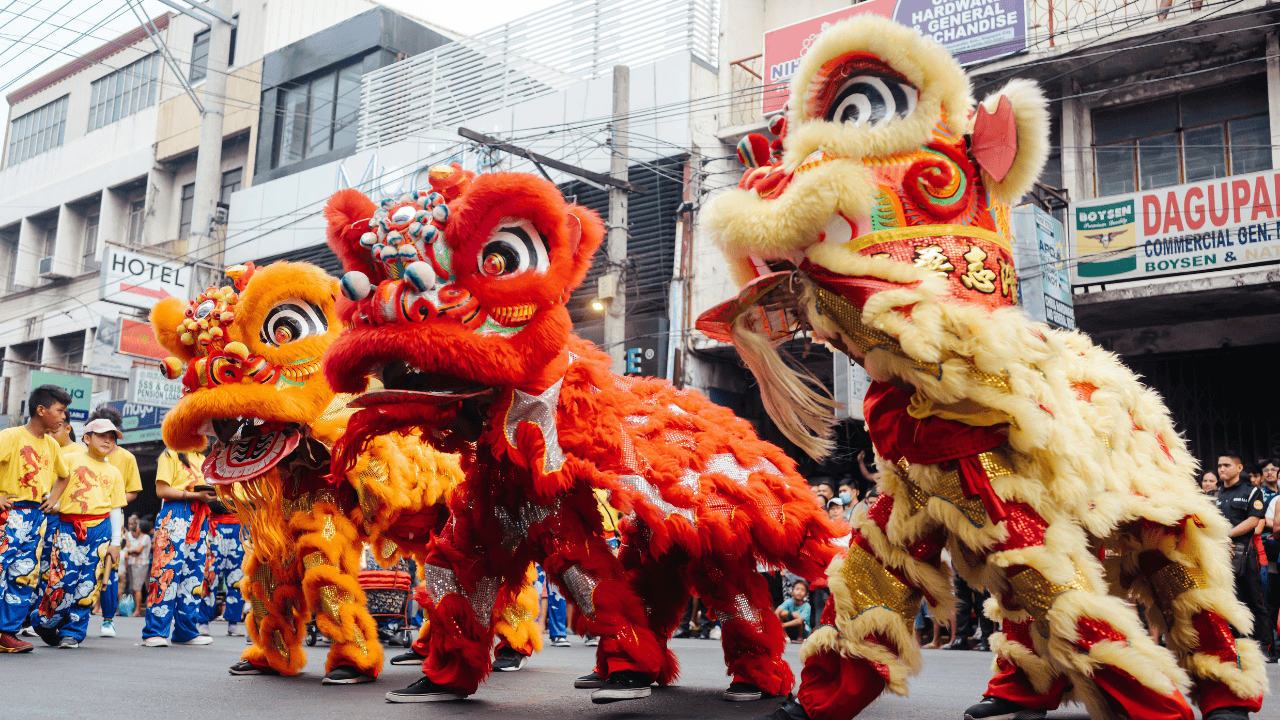
Preparation for the festival usually involves donning lucky red attire and preparing for massive crowds and incredible cuisine. From the humid streets of Southeast Asia to the historic neighborhoods of North America, the spirit of the dragon remains strong. Each city adds its own local flavor to the proceedings, ensuring that no two celebrations feel exactly the same. Consequently, the holiday serves as a bridge between ancient history and modern urban life.
Singapore: Polished Traditions and Culinary Excellence
Singapore approaches the Lunar New Year with a blend of intense organization and deep-seated passion. The historic Chinatown district undergoes a total transformation, becoming a luminous labyrinth of hand-painted lanterns and bustling night markets. Lion dance troupes navigate through the dense crowds like living ribbons of color, accompanied by the rhythmic thundering of drums. Visitors often find themselves drawn to the fragrance of pineapple tarts and grilled bak kwa drifting from street stalls.
The River Hongbao festival, situated near the iconic Marina Bay, remains a cornerstone of the local experience. This event masterfully combines traditional folklore with contemporary Singaporean flair through massive light installations and cultural performances. Because the city-state is so compact, tourists can easily move from sacred temple ceremonies to high-end shopping mall displays within minutes. Singapore offers a streamlined yet soulful experience for those seeking a festive atmosphere that is both accessible and authentic.
Hong Kong: Modern Skyscrapers and Ancient Rituals
Hong Kong provides a cinematic backdrop for the new year that few other places can match. The city excels at juxtaposing centuries-old customs against one of the world’s most famous skylines. One moment you might find yourself observing a quiet incense ritual at a local temple, and the next, you are witnessing a pyrotechnic display over Victoria Harbour. This duality creates a sensory experience that feels both grounded in history and racing toward the future.
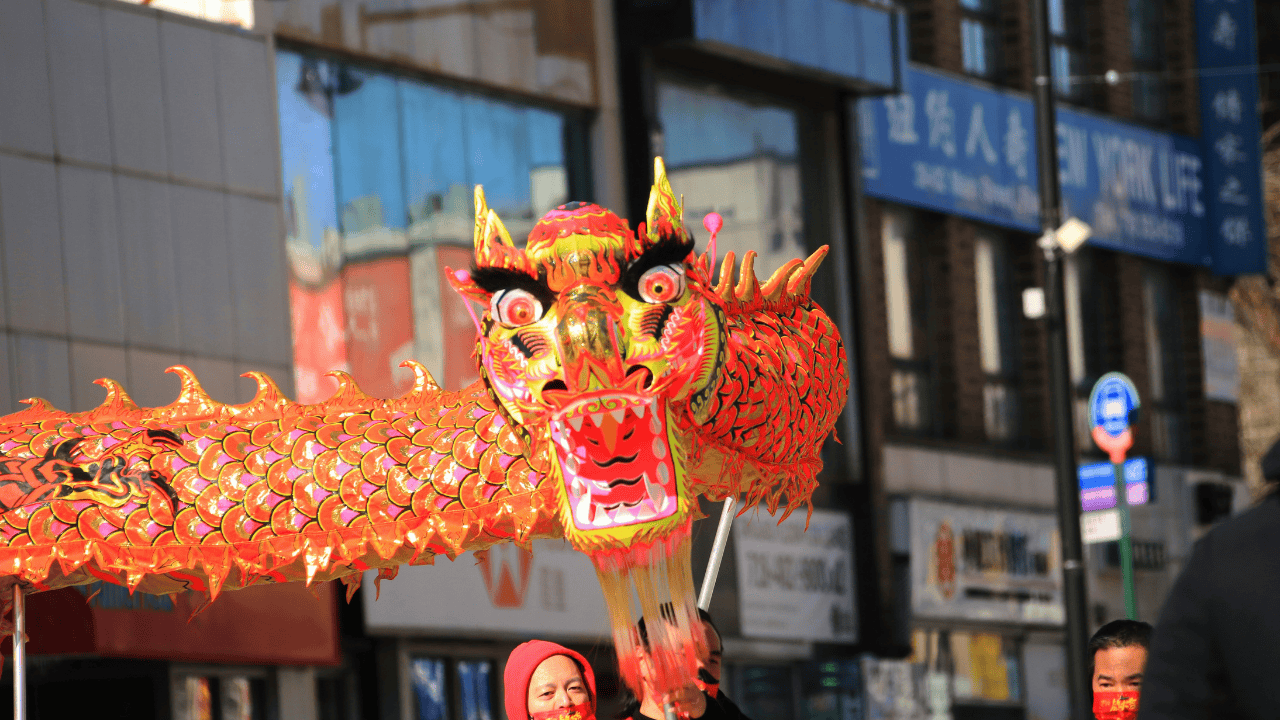
The International Chinese New Year Night Parade serves as the main attraction on the second day of the festival. Elaborate floats and acrobatic performers fill the streets with loud, infectious joy that permeates every neighborhood. Because the city embraces the holiday so fully, the energy feels collective and undeniable. It is a place where the noise of the firecrackers symbolizes a true cleansing of the past year’s misfortunes.
Bangkok: The Electric Energy of Yaowarat
Thailand hosts a surprisingly robust celebration, particularly centered in Bangkok’s Yaowarat district. This area becomes a pedestrian-only zone where lanterns hang thick overhead and food vendors multiply in every alleyway. The Thai-Chinese heritage shines through as dragon dances snake through the intersections, often pausing at small shrines tucked between modern shops. The atmosphere leans more toward a spirited street party than a formal ceremony, making it incredibly approachable for tourists.
Transitions between spiritual reflection and festive indulgence happen naturally here. You might smell the heavy scent of temple incense one minute and the spicy aroma of Thai-influenced Chinese street food the next. This cultural fusion creates a specific energy that is unique to Bangkok. It is a loud, human, and deeply delicious way to ring in the new year without the rigidity of more formal celebrations.
Kuala Lumpur: Community and Open Houses
In Malaysia, the Lunar New Year emphasizes community connections and familial warmth. While the shopping malls in Kuala Lumpur feature some of the most extravagant decorations in the region, the heart of the holiday lies in the open house tradition. During this time, residents open their doors to friends and neighbors of all ethnicities, fostering a sense of national unity. This inclusive spirit makes the city a particularly welcoming destination for international travelers.
Thean Hou Temple stands as a primary destination for those seeking visual beauty and spiritual depth. Thousands of red lanterns create a glowing canopy over the temple grounds, providing a stunning setting for prayers and martial arts demonstrations. Because the celebration integrates so seamlessly into everyday life in Kuala Lumpur, visitors feel less like observers and more like invited guests. The focus remains on shared prosperity and the hope for a lucky year ahead.
San Francisco: Historic Parades in the West
San Francisco claims one of the oldest and largest celebrations outside of Asia, rooted in a rich history of immigration and resilience. The city’s Chinatown serves as the epicenter for a multi-week festival that culminates in a massive illuminated parade. This event features the legendary Golden Dragon, a massive puppet that requires a large team of handlers to bring to life. The parade has evolved into a major cultural landmark, attracting hundreds of thousands of spectators annually.
Beyond the main event, the city offers flower markets, community fairs, and educational workshops that dive into the nuances of Chinese-American culture. The longevity of the tradition in San Francisco gives the festivities a sense of weight and importance. It is a celebration of heritage that has survived and thrived in a Western context for generations. For many, this city provides the perfect introduction to the holiday’s significance and scale.
London and Sydney: Global Festivities
London offers a distinct European take on the festival, centering its activities around Trafalgar Square and the West End. The celebration feels international and ceremonial, drawing a diverse crowd of locals and tourists alike. Stage performances featuring traditional dance and music provide a focal point, while the nearby restaurants in Chinatown serve special holiday menus. It is a festive occasion that manages to feel both prestigious and widely accessible.
On the other side of the world, Sydney provides a unique summer version of the Lunar New Year. Instead of huddling against the cold, celebrants enjoy night markets and outdoor lantern exhibitions in the warm Australian air. The Lunar Lanterns display along the harbor turns the city into a glowing art gallery after dark. This outdoor-friendly approach allows for a relaxed, festive mood that highlights the global adaptability of these ancient traditions.