

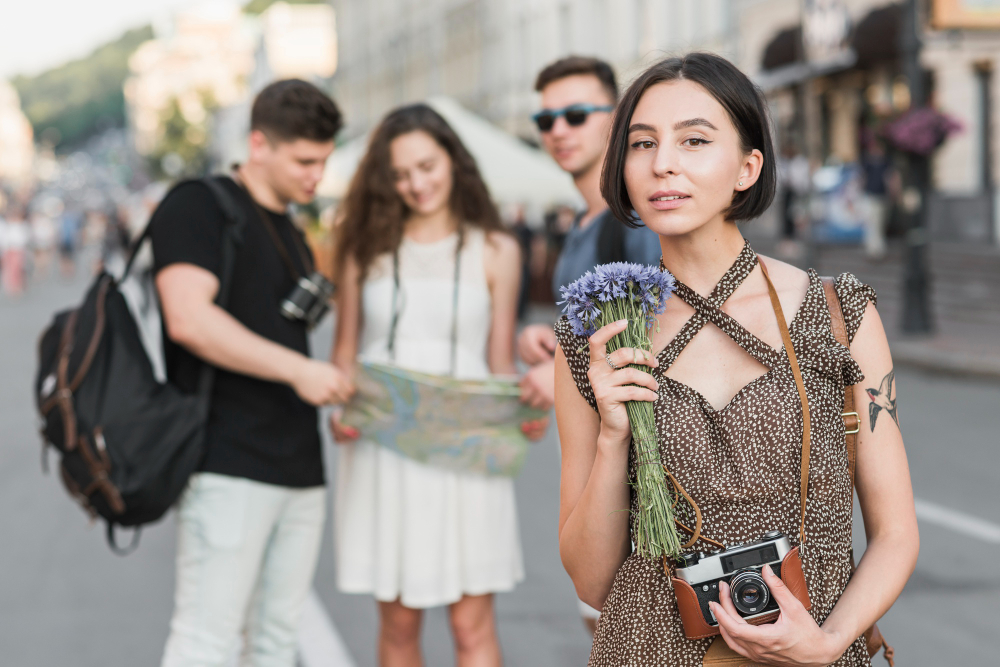
I’ll never forget stumbling upon a hidden jazz club in the basement of a Parisian apartment building. The air was thick, the walls were covered in photos of legends, and a saxophonist was pouring his soul into a melody that captured the city’s essence. This wasn’t on any brochure or Instagram feed. It was a local spot where culture breathed freely. That night taught me a profound lesson: the real cultural heartbeat of a city doesn’t pulse at famous landmarks—it whispers in alleyways, neighborhood cafés, and community gatherings.
Cultural travel is more nuanced than checking off UNESCO sites. It’s about immersing yourself in the living traditions that define a place. To find these authentic experiences, you must look beyond the obvious and embrace the beauty of being a respectful outsider.
Why Cultural Travel is Transformative
Cultural travel isn’t just about seeing new places; it’s about becoming a different person. Research shows that deep engagement with local cultures leads to lasting changes in worldview and increased empathy.
The difference between a tourist and a cultural traveler lies in intention:
- Tourists consume experiences: They often stick to the surface.
- Cultural travelers seek to understand: They move from being observers to participants.
In Marrakech, I didn’t just photograph spice pyramids. I sat with a shopkeeper over mint tea as he explained how each spice connected to centuries-old trade routes. That conversation transformed the city from a collection of images into a complex tapestry of human stories.
Navigating Global Megacities
Modern cities are melting pots where tradition and innovation collide. Here is how culture manifests in different urban landscapes:
1. Asia’s Contrast of Old and New
In Tokyo or Seoul, ancient rituals exist alongside cutting-edge tech.
- Tokyo: Visit the Yanaka neighborhood for a “time travel” experience through narrow lanes and traditional craft shops.
- Seoul: Beyond the K-pop glitz, try a temple stay at Jogyesa Temple to learn Buddhist meditation and ceremonial tea.
- Bangkok: Explore the contemporary art scene in the Charoenkrung district to see how Thai artists grapple with modern identity.
2. Europe’s Living History
European cities wear history like a well-loved coat. To find the “living” culture, you must leave the museum circuit.
- Rome: Head to the Testaccio neighborhood to learn the “correct” way to make carbonara from a local trattoria owner.
- Paris: Visit Belleville to see French multiculturalism in action through its diverse food and street art.
- Barcelona: Watch castellers (human tower builders) during the Festa Major de Gràcia to understand Catalan pride.
3. North American Reinvention
These cities are defined by immigration and constant evolution.
- New York City: Attend a gospel service in Harlem or explore the authentic regional Chinese cuisine in Flushing.
- Mexico City: Visit the Coyoacán neighborhood to find the bohemian spirit that inspired artists like Frida Kahlo.
A Practical Guide to Authentic Experiences
How do you find these moments without being invasive? Use these strategies to bridge the gap:
| Strategy | Actionable Step |
| Deep Research | Read contemporary local authors or listen to podcasts from the region before you arrive. |
| Language | Learn basic greetings. Efforts to speak the local tongue signal respect and open doors. |
| Direct Support | Choose family-run guesthouses and neighborhood restaurants over international chains. |
| Permission | Always ask before taking photos of people. Avoid treating residents as “props.” |
Ethical Travel: Appreciation vs. Appropriation
As cultural tourism grows, so does our responsibility. Responsible tourism ensures that exchange benefits the community rather than exploiting it.
- Appreciation: Learning a skill, like a cooking class, from a local expert.
- Appropriation: Wearing traditional clothing as a “costume” without understanding its significance.
- Boundaries: Accept that some spaces (sacred ceremonies or private gatherings) are not for outsiders. Respecting these boundaries is a form of appreciation.
The Future of Cultural Travel
The trend is shifting toward slow travel. Spending more time in one location reduces your environmental footprint and allows for deeper immersion. Technology can help—translation apps and digital maps are great tools—but remember to look up from your screen to connect with the people around you.
Cultural travel is a practice of humility and wonder. It reminds us that our way of living is just one of many possibilities. Stay curious, remain humble, and prepare to be transformed by the world’s stories.