

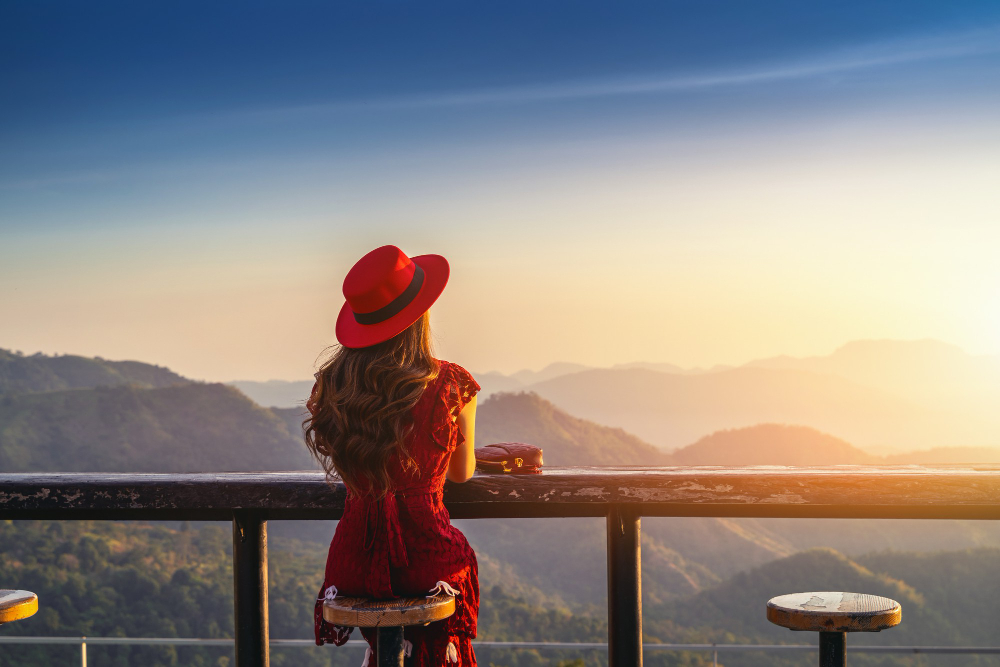
Many travelers find their way to Bhutan through a single, haunting image. It might be a monastery clinging to a sheer cliff face or the vibrant saffron robes of monks snapping in the Himalayan wind. Bhutan isn’t just another destination on a bucket list; it is a deliberate, meditative experience designed to be savored.
As the only country in the world that measures success through Gross National Happiness (GNH), Bhutan offers a rhythm utterly unlike the frantic pace of modern travel. If you are planning a journey in 2026, here is everything you need to know to navigate this Himalayan jewel.
Understanding the Sustainable Tourism Model
Bhutan operates on a “high-value, low-impact” policy to protect its culture and environment. This is managed primarily through the Sustainable Development Fee (SDF).
- The Cost: As of 2026, the SDF remains at $100 per person, per night for most international visitors. This fee is an investment in Bhutan’s future, funding free healthcare, education, and carbon-neutral infrastructure.
- The Visa: You must pay a one-time $40 visa fee. Visas are processed online by your licensed tour operator once your SDF and trek costs are settled.
- Regional Rates: Visitors from India pay a reduced rate of INR 1,200 per night.
This model ensures that your presence directly contributes to the preservation of the pristine forests and ancient monasteries you’ve come to see.
Your Mandatory Co-Pilot: The Licensed Guide
Except for regional tourists from India, Bangladesh, and the Maldives, all international travelers must be accompanied by a government-licensed guide. While independent travelers might initially crave autonomy, a guide is the key to unlocking Bhutan’s soul.
Your guide acts as a cultural interpreter, navigating complex local customs and arranging impromptu visits to local farmhouses. They ensure you travel responsibly and gain insights that no guidebook can provide. When choosing an operator, look for members of the Bhutan Association of Tour Operators (BATO) to ensure high standards of expertise.
When to Go: Chasing Seasons in the Kingdom
Bhutan’s weather varies wildly depending on altitude. Your ideal timing depends on your personal goals:
Spring (March – May)
This is the “golden season.” Rhododendrons explode in shades of pink and red across the hillsides, and the air is crisp. It is a prime time for trekking and experiencing the famous Paro Tsechu (March 28 – April 1, 2026).
Autumn (September – November)
The monsoon washes the skies clean, providing the best visibility of the Himalayan peaks. This is the peak season for the legendary Snowman Trek and the Thimphu Tsechu (September 21 – 23, 2026).
Winter (December – February)
While nights are freezing, the days are often brilliantly sunny. This is the quietest time to visit, offering a serene atmosphere in the dzongs (fortress monasteries) without the crowds.
Packing for Altitude and Etiquette
Packing for Bhutan requires a balance of mountain readiness and cultural respect.
- Footwear: You will encounter cobblestone paths and steep trails. Invest in broken-in hiking boots and comfortable sandals for the evenings.
- Layers: Mountain weather is fickle. Pack moisture-wicking base layers, a warm fleece, and a waterproof shell.
- Modesty: When visiting temples or dzongs, you must cover your shoulders and knees. A lightweight scarf is a versatile tool for quick coverage.
- The Essentials: Bring a reusable water bottle, high-SPF sunscreen, and a power adapter (Type D & M). Note that drones are strictly prohibited without specialized government permits.
Navigating Bhutanese Culture
Bhutanese culture is rooted in Vajrayana Buddhism. Following “rules of the road” shows vital respect for your hosts:
- Sacred Spaces: Always remove hats and sunglasses before entering a temple. Walk clockwise around stupas and prayer wheels.
- Photography: Never take photos inside temples or of altars. Always ask permission before photographing monks or locals.
- Body Language: The head is sacred, and the feet are considered “low.” Never point your feet at people or sacred objects; tuck them under you when sitting.
- Money: The local currency is the Ngultrum (Nu), pegged 1:1 to the Indian Rupee. While digital payment apps like goBoB are growing in cities, cash is still essential for rural areas.
A Culinary Adventure Beyond Chilies
Prepare your palate for Ema Datshi, a fiery stew of chilies and local cheese that serves as the national dish. If you aren’t a fan of heat, don’t worry—there are plenty of other options:
- Red Rice: A nutty, chewy staple served with most meals.
- Momos: Tibetan-style dumplings filled with pork, beef, or cheese.
- Suja: Traditional butter tea—a salty, warming drink perfect for high altitudes.
Final 2026 Travel Checklist
Before booking your flight to Paro, ensure you have the following:
- Passport: Valid for at least 6 months.
- Visa Clearance: Provided by your tour operator.
- Travel Insurance: Highly recommended for medical evacuation and altitude-related issues.
- Vaccinations: Consult a travel clinic for Hepatitis A and Typhoid recommendations.
Bhutan doesn’t just show you its wonders; it invites you to experience them on its own terms. By slowing down and embracing the rhythm of the Land of the Thunder Dragon, you may find a quieter, more connected part of yourself.