

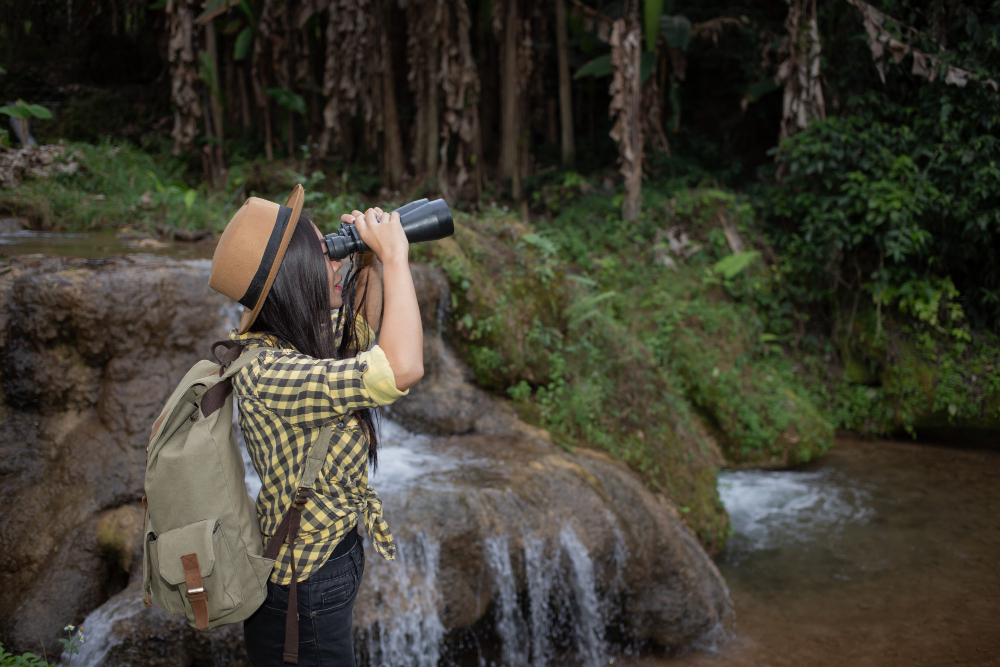
There’s a specific kind of magic that happens when you’re crouched behind a camera, heart pounding, as a leopard emerges from the golden grass just meters away. I still remember my first serious wildlife photography expedition to Kenya’s Maasai Mara—the way my hands trembled as I adjusted my lens, the electric silence before a lion’s roar, and that indescribable feeling when you capture a moment that most people will never witness firsthand. That experience transformed me from a casual photographer into someone obsessed with documenting Earth’s incredible biodiversity.
Wildlife photography isn’t just about technical skill or expensive equipment. It’s about patience, respect for nature, and being in the right place at the right moment. Whether you’re a seasoned professional with a telephoto lens that costs more than a car, or an enthusiastic beginner with a smartphone and determination, choosing the right destination can make all the difference between returning home with average snapshots or portfolio-defining masterpieces.
The world offers countless opportunities to photograph wildlife in their natural habitats, but some destinations stand head and shoulders above the rest. These places combine abundant wildlife populations, accessible viewing opportunities, stunning landscapes, and favorable photography conditions. After years of traveling to remote corners of the planet and speaking with professional wildlife photographers, I’ve compiled this comprehensive guide to help you plan your next adventure behind the lens.
Why Location Matters More Than You Think
Many aspiring wildlife photographers make the mistake of focusing entirely on gear while overlooking the single most important factor: location. According to National Geographic’s photography guidelines, even the most advanced camera equipment cannot compensate for poor wildlife viewing opportunities. You can own a $10,000 telephoto lens, but if the animals are scarce, skittish, or obscured by dense vegetation, your images will suffer.
The best wildlife photography destinations share several critical characteristics. They offer high concentrations of diverse species, habitats that allow for clear sightlines and approaches, favorable lighting conditions throughout the day, and ideally, minimal human disturbance that keeps animals behaving naturally. Additionally, factors like seasonal migrations, breeding behaviors, and weather patterns can dramatically impact your photographic success. Understanding these elements before booking your trip can mean the difference between a disappointing experience and the journey of a lifetime.
East Africa: Where Wildlife Photography Dreams Come True
Maasai Mara National Reserve, Kenya
If I could recommend only one destination for someone’s first serious wildlife photography expedition, it would be Kenya’s Maasai Mara without hesitation. This 1,510 square kilometer expanse of savannah grasslands represents what many people imagine when they think of African wildlife—and the reality somehow exceeds those expectations.
The Mara is famous for hosting part of the Great Migration, one of nature’s most spectacular events. Between July and October, over 1.5 million wildebeest, accompanied by hundreds of thousands of zebras and gazelles, cross the Mara River in dramatic fashion. Photographing these river crossings requires patience and often involves waiting for hours, but when the action begins, your shutter won’t stop clicking. The sight of thousands of animals plunging into crocodile-infested waters while predators lurk on the banks creates photographic opportunities that are simply unmatched anywhere else on Earth.
Beyond the migration, the Mara offers year-round excellence for wildlife photography. The reserve maintains one of Africa’s highest concentrations of big cats, including lions, leopards, and cheetahs. The open terrain makes spotting and photographing these predators considerably easier than in denser bush environments. Early morning game drives often reveal lions returning from nocturnal hunts, their faces still bloodied from fresh kills—powerful, if somewhat graphic, images that tell the raw story of survival in the wild.
The golden-hour lighting in the Mara is absolutely sublime for photography. The warm, low-angled sunlight during dawn and dusk creates dramatic rim lighting on animals and casts long shadows across the grasslands, adding depth and atmosphere to your compositions. I’ve found that the best strategy involves waking before dawn, photographing during the magical early morning hours, returning to camp during harsh midday light, then heading out again for the evening golden hour.
Serengeti National Park, Tanzania
Just across the border from the Maasai Mara lies Tanzania’s legendary Serengeti, which actually hosts the migration for a longer portion of the year. The Serengeti covers approximately 14,750 square kilometers, making it significantly larger than the Mara and offering even more diverse photographic opportunities across different ecosystems within the park.
What makes the Serengeti exceptional for photography is the variety of landscapes available. The southern plains burst into lush green during the calving season from January to March, when hundreds of thousands of wildebeest calves are born within a concentrated period. This timing attracts predators in spectacular numbers—it’s not uncommon to observe multiple cheetah hunts in a single morning. The central Seronera region offers classic acacia-dotted savannah with excellent year-round game viewing, while the western corridor provides dramatic river crossing opportunities.
The Serengeti also offers something increasingly rare in popular safari destinations: a sense of wilderness solitude. Unlike some reserves where dozens of vehicles might cluster around a single sighting, the Serengeti’s vastness means you can often observe and photograph wildlife without crowds of other tourists in your frame. According to Tanzania’s tourism board, the park maintains strict vehicle limits in certain areas, preserving both the wilderness experience and animal welfare.
For photographers willing to invest more, the Serengeti offers exclusive private conservancies and mobile tented camps that follow the migration. These options provide unparalleled access and flexibility, allowing you to stay out past regular park hours and position yourself at prime locations before other photographers arrive.
Southern Africa’s Photography Powerhouses
Chobe National Park, Botswana
Botswana’s Chobe National Park deserves recognition as one of Africa’s premier photography destinations, particularly for photographers interested in elephants. The park hosts an estimated 120,000 elephants—the highest concentration on the continent. During the dry season from May to October, these massive herds congregate along the Chobe River, creating extraordinary photographic scenes as families interact, play, and drink at the water’s edge.
What distinguishes Chobe from other destinations is the opportunity for boat-based photography. Floating along the Chobe River in a small vessel allows you to approach wildlife from unique angles and at eye level—a perspective impossible to achieve from a traditional safari vehicle. I’ve captured some of my favorite elephant images from boats, including shots of young calves swimming between their mothers and dramatic confrontations between hippos and crocodiles. The reflections in the calm morning water add an artistic dimension that elevates photographs from documentary to fine art.
The park’s diverse ecosystems also support healthy populations of lions, leopards, buffalo, and an incredible variety of bird species. The Savuti Marsh area in the park’s western region is famous for dramatic predator interactions, including the rare sight of lions hunting elephants—a behavior documented extensively by wildlife researchers and photographers over the years.
Kruger National Park, South Africa
For photographers seeking a self-drive safari experience with excellent infrastructure, South Africa’s Kruger National Park is unbeatable. Covering nearly 20,000 square kilometers, Kruger combines exceptional wildlife viewing with well-maintained roads, affordable accommodation options, and the freedom to explore at your own pace.
Kruger’s photography advantages extend beyond just the animals themselves. The park’s excellent road network allows photographers to position vehicles for optimal lighting and backgrounds. Unlike some parks where you must stay on designated tracks, Kruger’s extensive route options mean you can often maneuver for better angles. The park also allows visitors to exit vehicles at designated rest camps and hide facilities, providing opportunities for different perspectives.
The park is home to the famous “Big Five”—lions, leopards, elephants, buffalo, and rhinoceros—but it’s the incredible diversity beyond these marquee species that keeps photographers returning. According to South African National Parks, Kruger hosts 147 mammal species and over 500 bird species. From ground hornbills to wild dogs, from pangolins to pythons, the photographic variety is simply astounding.
One of Kruger’s unique features is its excellent bird photography opportunities, particularly for species found nowhere else outside southern Africa. The park’s numerous waterholes serve as natural bird blinds, where photographers can set up and wait for subjects to come to them. I’ve spent entire mornings at single waterholes, photographing everything from tiny sunbirds to massive martial eagles.
The Americas: Wilderness Photography on a Grand Scale
Yellowstone National Park, United States
When photographers think of North American wildlife, Yellowstone National Park immediately comes to mind—and for good reason. This 2.2 million-acre wilderness area spanning Wyoming, Montana, and Idaho offers unparalleled opportunities to photograph iconic species against breathtaking geothermal and mountain landscapes.
Yellowstone’s main photographic draw is its population of large mammals, including bison, elk, grizzly bears, wolves, and moose. The Lamar Valley, often called “America’s Serengeti,” provides particularly excellent wildlife viewing and photography opportunities. Wide-open valleys allow for distant observation of wolf packs and bear activity without disturbing the animals, while the surrounding mountains create stunning compositional backdrops.
Winter photography in Yellowstone deserves special mention. The park transforms into a frozen wonderland, with steam rising from geothermal features creating ethereal atmospheric conditions. Bison covered in frost and snow, wolves hunting through deep powder, and the contrast of wildlife against pure white landscapes offer unique photographic opportunities unavailable during other seasons. However, winter photography here demands serious preparation—temperatures regularly drop below zero Fahrenheit, which can quickly drain camera batteries and challenge both photographer and equipment.
According to the National Park Service, Yellowstone’s reintroduction of gray wolves in 1995 has created one of the world’s best opportunities to observe and photograph wild wolf behavior. The Lamar Canyon Pack and other groups provide regular viewing opportunities, particularly during dawn and dusk when wolves are most active. Photographing wolves requires patience, long telephoto lenses, and the willingness to wake extraordinarily early, but the results are worth every pre-dawn alarm.
Pantanal, Brazil
While Brazil’s Amazon rainforest receives more international attention, serious wildlife photographers know that the Pantanal offers superior opportunities. This massive wetland region—the world’s largest tropical wetland at approximately 150,000 square kilometers—concentrates wildlife in accessible areas during the dry season, creating what many photographers consider the world’s best location for jaguar photography.
The Pantanal’s jaguar population has adapted to a semi-aquatic lifestyle, hunting along riverbanks and even swimming between islands. This behavior, combined with the region’s relatively open terrain compared to dense jungle, allows for extraordinary viewing and photography opportunities. Specialized boat tours along the rivers of the northern Pantanal routinely encounter jaguars at close range, providing portrait-quality images that would be nearly impossible in most jaguar habitats.
Beyond jaguars, the Pantanal is a paradise for bird photography. The region hosts over 650 bird species, including massive jabiru storks, colorful macaws, toucans, and kingfishers. The hyacinth macaw, the world’s largest flying parrot species, is reliably observed here, often perching in the open where photographers can capture these spectacular birds without the usual rainforest obstacles of dense canopy and dim lighting.
What makes the Pantanal particularly appealing for photographers is the predictability of sightings during the dry season from June to October. Unlike some destinations where wildlife viewing is hit-or-miss, the Pantanal’s concentration of animals around shrinking water sources creates reliably excellent conditions. Multiple jaguar sightings in a single day are common, and photographers often face the pleasant challenge of having too many subjects rather than too few.
Asia’s Hidden Photography Gems
Ranthambore National Park, India
India’s Ranthambore National Park in Rajasthan offers one of the world’s best opportunities to photograph Bengal tigers in the wild. While tigers are notoriously difficult to spot in most of their range, Ranthambore’s relatively open terrain and habituated tiger population create exceptional viewing conditions.
The park’s dramatic landscape adds immense value to tiger photographs. Ancient ruins from the 10th-century Ranthambore Fort dot the park, providing atmospheric backdrops that connect wildlife with human history. I’ve captured images of tigers walking past temple ruins and lounging on palace steps—compositions that tell a deeper story about the complex relationship between humans and wildlife in India.
Ranthambore’s tiger sightings are remarkably frequent compared to other reserves. The park’s dominant males and females with cubs often move along established routes and visit the same waterholes, allowing guides to predict their locations with reasonable accuracy. Game drives typically last three hours, and seeing tigers on multiple consecutive drives is common during peak season from October to April.
The park also supports healthy populations of leopards, sloth bears, crocodiles, and numerous bird species. According to India’s Ministry of Environment, Forest and Climate Change, Ranthambore has been instrumental in tiger conservation efforts, with tigers from this park being relocated to establish populations in other reserves across India. Photographing here means documenting one of conservation’s genuine success stories.
Borneo, Malaysia and Indonesia
The island of Borneo, split between Malaysia and Indonesia, offers wildlife photography opportunities found nowhere else on Earth. This ancient rainforest is home to orangutans, proboscis monkeys, pygmy elephants, and countless endemic species that make it a bucket-list destination for serious wildlife photographers.
Photographing orangutans in the wild represents one of wildlife photography’s ultimate challenges and rewards. These critically endangered great apes spend most of their time high in the rainforest canopy, where dense vegetation and low light create difficult shooting conditions. However, rehabilitation centers like Sepilok in Sabah, Malaysia, and semi-wild populations in certain protected areas offer more accessible photography opportunities. Watching a mother orangutan tenderly interact with her infant while foraging provides intimate moments that connect viewers emotionally with conservation issues.
Borneo’s river systems offer unique boat-based photography opportunities for species like proboscis monkeys, which live exclusively in the island’s coastal mangrove forests and lowland dipterocarp forests. These peculiar primates, with their enormous noses and pot-bellied appearance, create comical and endearing photographs. Evening boat trips often reveal proboscis monkey families settling into riverside trees for the night, silhouetted against colorful sunsets.
The pygmy elephants of Borneo represent another photographic prize. These miniature forest elephants—the world’s smallest elephant subspecies—are found only in northeastern Borneo. Their diminutive size and gentle nature create charming images, particularly when photographed in their rainforest habitat or along the Kinabatangan River. Successfully photographing them requires connecting with knowledgeable local guides who understand elephant movement patterns and river ecology.
Polar Regions: Photography at the Ends of the Earth
Svalbard, Norway
For photographers willing to brave extreme cold and invest in Arctic expeditions, Norway’s Svalbard archipelago offers unparalleled polar bear photography opportunities. Located halfway between mainland Norway and the North Pole, Svalbard hosts one of the world’s highest concentrations of polar bears—approximately 3,000 bears in an area of 61,000 square kilometers.
Photographing polar bears in Svalbard typically involves expedition cruises that navigate along the pack ice edge, where bears hunt seals during spring and early summer. The dramatic Arctic landscape—massive ice formations, glaciers calving into the sea, and the midnight sun during summer months—provides spectacular backdrops that contextualize polar bears within their threatened Arctic habitat.
The challenges of Arctic photography are significant. Extreme cold drains camera batteries rapidly, requiring photographers to carry multiple spares and keep them warm in interior pockets. Spray and moisture can damage equipment, necessitating weather-sealed gear and protective covers. The constant motion of ships requires fast shutter speeds and image stabilization. However, the resulting images—polar bears on ice floes, Arctic foxes in summer coats, walruses hauled out on beaches, and countless seabirds—make the challenges worthwhile.
One of Svalbard’s unique aspects is the opportunity to document climate change’s visible impacts. Retreating glaciers, shrinking sea ice, and changing wildlife behaviors provide important documentary opportunities for photographers interested in environmental storytelling. These images serve not just as beautiful wildlife portraits but as crucial records of ecosystems under threat.
Antarctica
Antarctica represents the ultimate wildlife photography destination for those seeking penguins, seals, and seabirds in environments so remote and pristine that they feel otherworldly. The Antarctic Peninsula and surrounding islands host enormous colonies of penguin species, including gentoos, chinstraps, Adélies, and the spectacular king penguins found on sub-Antarctic islands like South Georgia.
Photography in Antarctica offers both incredible opportunities and serious challenges. The good news is that Antarctic wildlife shows little fear of humans, having evolved without terrestrial predators. This means photographers can observe and photograph penguins, seals, and seabirds at remarkably close range—though strict Antarctic Treaty regulations require maintaining minimum distances to avoid disturbing animals.
The landscape itself becomes a co-star in Antarctic wildlife photography. Massive icebergs, towering glaciers, and stark black volcanic beaches provide dramatic stages for wildlife subjects. The quality of light in Antarctica is simply extraordinary—clean air and reflections from ice and snow create crystalline clarity that makes images pop with unusual sharpness and color saturation.
Timing matters enormously in Antarctic photography. The brief Antarctic summer from November to March offers the only realistic access for most visitors, but different months within this window provide different opportunities. November sees courting and mating behaviors, December and January bring penguin chicks hatching, and February and March offer adorable but disheveled penguin chicks molting into adult plumage.
Comparing Top Wildlife Photography Destinations
Key Factors for Choosing Your Next Adventure
| Destination | Best Season | Signature Species | Photography Difficulty | Average Budget | Accessibility |
|---|---|---|---|---|---|
| Maasai Mara, Kenya | July-October | Big cats, migration | Moderate | $3,500-7,000 | Good |
| Serengeti, Tanzania | January-March, June-October | Migration, predators | Moderate | $4,000-8,000 | Good |
| Chobe, Botswana | May-October | Elephants, river wildlife | Easy-Moderate | $4,500-9,000 | Good |
| Kruger, South Africa | May-September | Big Five, birds | Easy | $2,000-5,000 | Excellent |
| Yellowstone, USA | May-June, September-October | Bears, wolves, bison | Moderate | $2,500-5,000 | Excellent |
| Pantanal, Brazil | June-October | Jaguars, birds | Moderate | $3,500-7,000 | Moderate |
| Ranthambore, India | October-April | Tigers, leopards | Moderate-Challenging | $2,000-4,500 | Good |
| Borneo, Malaysia/Indonesia | March-October | Orangutans, pygmy elephants | Challenging | $3,000-6,000 | Moderate |
| Svalbard, Norway | June-August | Polar bears, Arctic wildlife | Challenging | $8,000-15,000 | Difficult |
| Antarctica | November-March | Penguins, seals | Moderate-Challenging | $10,000-20,000 | Difficult |
Essential Photography Techniques for Wildlife Destinations
Having the best equipment and visiting prime locations means little without proper technique. Wildlife photography demands a unique skill set that combines technical camera knowledge, understanding of animal behavior, patience, and creative vision. Over years of photographing wildlife across continents, I’ve learned that certain techniques dramatically improve success rates.
First, master your camera’s autofocus system completely. Modern cameras offer numerous autofocus modes and customization options, and understanding which to use in different situations is crucial. For birds in flight or running predators, continuous autofocus with tracking is essential. For stationary subjects, single-point autofocus often provides more precision. Practice these techniques at home photographing pets, birds at feeders, or even fast-moving children before investing in an expensive safari.
Anticipation separates good wildlife photographs from great ones. Animals telegraph their intentions through body language and behavior patterns. A lion that stands up and stares intently is likely about to move. A bird that defecates often takes flight immediately afterward. An elephant that spreads its ears and trumpets may charge. Learning to read these signs allows you to prepare your camera settings and composition before the action begins, dramatically increasing your keeper rate.
Lighting remains photography’s most fundamental element, and wildlife photography is no exception. The golden hours around sunrise and sunset provide warm, directional light that adds dimension and atmosphere to wildlife images. However, these hours also present technical challenges—low light requires higher ISO settings, wider apertures, or slower shutter speeds. Finding the right balance between image quality and properly freezing motion requires experience and experimentation.
Background awareness separates amateur wildlife photographs from professional work. A technically perfect lion portrait loses impact when telephone wires or tourist vehicles appear in the background. Train yourself to notice distracting elements and adjust your position or angle to eliminate them. Sometimes moving your camera position by just a meter or two completely transforms an image by replacing a cluttered background with clean, blurred vegetation or sky.
Frequently Asked Questions About Wildlife Photography Destinations
What camera equipment do I need for wildlife photography at these destinations?
The honest answer is that you can start with whatever camera you currently own. Modern smartphones can capture excellent wildlife images in good light, particularly when combined with digiscoping adapters that connect them to spotting scopes. However, for serious wildlife photography, a camera with a crop sensor or full-frame sensor, fast autofocus, and good high-ISO performance makes a significant difference. A telephoto lens in the 300-600mm range (or equivalent) is highly beneficial for most wildlife subjects. Many photographers starting out find success with affordable options like a 100-400mm zoom lens paired with a camera body offering decent autofocus performance. As you progress and identify what types of wildlife photography interest you most, you can invest in more specialized equipment.
How physically demanding are these wildlife photography destinations?
Physical demands vary dramatically by destination. Self-drive safaris in Kruger National Park require minimal physical exertion—you’re essentially photographing from a vehicle and can proceed entirely at your own pace. In contrast, photographing mountain gorillas in Rwanda involves hiking through steep, muddy terrain at high altitude for several hours. Most mainstream safari destinations like the Maasai Mara, Serengeti, and Chobe involve game drives where you sit in vehicles, making them accessible to people with various fitness levels. Always research specific activities and discuss any physical limitations with tour operators when planning your trip.
Is it better to join a photography tour or plan my own trip?
Both approaches have merits depending on your experience level, budget, and photography goals. Photography-specific tours led by professional wildlife photographers provide enormous benefits: expert instruction, strategic positioning for optimal lighting and angles, insider knowledge of animal behavior, and vehicles equipped specifically for photography with lowered sides or roof hatches. These tours also place you alongside other serious photographers, creating opportunities for learning and camaraderie. However, they cost considerably more than general wildlife tours or self-planned trips. For first-time wildlife photographers or those visiting particularly challenging destinations, a photography tour offers tremendous value. More experienced photographers comfortable with camera settings and composition might prefer the flexibility and lower cost of self-planned adventures.
What’s the best destination for someone taking their first wildlife photography trip?
For first-timers, I usually recommend East Africa—specifically Kenya’s Maasai Mara or Tanzania’s Serengeti—or South Africa’s Kruger National Park. These destinations offer abundant wildlife, well-developed tourism infrastructure, and relatively predictable viewing conditions that maximize your chances of success. The Maasai Mara during migration season provides such concentrated wildlife action that even beginners return with impressive images. Kruger offers the advantage of being more budget-friendly and allows for self-drive safaris where you can practice at your own pace without the pressure of keeping up with experienced photographers. Both regions have excellent lodges with guides who understand photographers’ needs and can position vehicles for optimal shots.
How do I prepare for extreme weather conditions while photographing wildlife?
Different destinations present different challenges. For hot, dusty African safaris, protect your camera equipment from dust by keeping it in sealed bags when not in use, using protective rain covers even on clear days, and cleaning sensors and lenses regularly. For Arctic destinations like Svalbard and Antarctica, cold becomes the primary challenge—carry multiple batteries and keep spares warm against your body, use hand warmers inside camera bags, allow equipment to acclimatize gradually when moving between extreme temperatures, and consider battery grips that double your power capacity. For tropical rainforests like Borneo, humidity and rain threaten equipment—silica gel packets in camera bags absorb moisture, waterproof covers protect gear during downpours, and weather-sealed cameras and lenses provide crucial protection.
What ethical considerations should wildlife photographers keep in mind?
Ethical wildlife photography prioritizes animal welfare above getting the shot. Never pursue, harass, or stress animals for photographs—if an animal changes its behavior because of your presence, you’re too close. Respect all guidelines about minimum distances, which exist to protect both wildlife and photographers. Never use playback of bird calls to attract subjects, as this can disrupt breeding behaviors and territoriality. Be particularly cautious around nesting birds, denning predators, and animals with young offspring, as these are especially vulnerable times. Consider the message your images convey—dramatic predator-prey interactions make compelling photographs, but sharing context about natural behaviors helps viewers understand these aren’t scenes of cruelty but essential ecosystem processes. Finally, support conservation through your photography by donating portions of print sales, partnering with conservation organizations, and using your images to raise awareness about threats facing wildlife.
What time of day is best for wildlife photography?
The golden hours—the first two hours after sunrise and the final two hours before sunset—provide the most flattering light for wildlife photography. The warm, low-angled light during these periods creates beautiful rim lighting, brings out texture and dimension in animal fur and feathers, and casts long shadows that add drama to compositions. Additionally, many animals are most active during these cooler parts of the day, increasing encounter rates. However, midday photography shouldn’t be entirely dismissed. Overcast conditions create soft, even light that works beautifully for portraits and eliminates harsh shadows. Some behaviors occur throughout the day—predators hunting, birds bathing, elephants socializing—and being present increases your chances of witnessing them regardless of lighting conditions.
How can I improve my wildlife photography skills before an expensive trip?
Practice locally before investing in distant travel. Photograph birds at backyard feeders, visit local zoos and wildlife sanctuaries, attend community pond duck feeding times, or stake out squirrel territories in parks. While domestic animals and captive wildlife don’t provide the same thrill as wild subjects, they allow you to practice camera settings, autofocus techniques, and composition without the pressure and expense of safari time. Study the work of professional wildlife photographers whose style you admire—analyze their compositions, lighting choices, and perspectives. Read books on animal behavior to understand how different species move, interact, and react to threats. Join online wildlife photography communities to receive feedback on your images and learn from others’ experiences. Finally, become intimately familiar with your camera equipment so that adjusting settings becomes second nature, allowing you to focus on the creative and behavioral aspects of photography rather than technical operations.
Planning Your Wildlife Photography Adventure: Practical Considerations
Successfully planning a wildlife photography expedition requires attention to numerous practical details beyond just choosing a destination. The logistics of international travel, equipment preparation, insurance considerations, and local arrangements can significantly impact your experience and photographic success.
Timing your trip around peak wildlife activity seasons is crucial but also affects pricing significantly. Popular destinations during premium periods like Maasai Mara during the migration or Antarctica during December and January command top dollar and book far in advance. However, shoulder seasons often provide excellent photography opportunities at reduced costs with fewer crowds. For example, visiting the Serengeti in April or May during the “green season” offers dramatically lower prices, fewer vehicles, and beautiful lighting from afternoon rain showers, though wet conditions present additional challenges.
Travel insurance becomes particularly important for wildlife photography trips given the expensive equipment involved. Specialized camera equipment insurance covers loss, damage, or theft of cameras and lenses—standard travel insurance typically caps coverage at levels far below the value of professional photography gear. Additionally, medical evacuation insurance is essential when visiting remote areas where serious injuries or illnesses might require expensive helicopter transport to proper medical facilities.
Equipment preparation deserves serious attention before departure. Clean all camera sensors and lenses thoroughly, test every piece of equipment to ensure proper function, update camera firmware, and format memory cards. Bring more storage capacity than you think you’ll need—wildlife photographers can easily shoot thousands of images on a multi-day safari. Pack plenty of microfiber cleaning cloths, lens cleaning solution, and a rocket blower to remove dust from sensors and lenses in the field. Consider bringing a laptop or external hard drive for backing up images nightly, as card failures do occur and losing irreplaceable images is heartbreaking.
Research local customs, regulations, and photography etiquette at your destination. Some cultures consider photographing people without permission disrespectful, while others welcome it but expect payment. Certain religious sites prohibit photography entirely. Wildlife regulations vary by location—some parks prohibit off-road driving, while others allow it. Understanding and respecting these rules ensures you don’t inadvertently cause offense or break laws.
The Conservation Connection: Photography as a Force for Good
Wildlife photography transcends mere aesthetics and entertainment—it serves as one of conservation’s most powerful tools. Images of animals in their natural habitats create emotional connections that statistics and scientific papers cannot match. A stunning photograph of a polar bear on shrinking sea ice communicates climate change’s urgency more effectively than temperature graphs. An intimate portrait of a mountain gorilla family makes conservation funding for habitat protection feel personal and urgent.
Many professional wildlife photographers actively contribute to conservation efforts through their work. Organizations like the International League of Conservation Photographers connect photographers with conservation projects worldwide, using visual storytelling to drive awareness and action. Your wildlife photography can contribute similarly, whether through social media advocacy, donating images to conservation organizations, or directing print sales proceeds toward protection efforts.
When choosing lodges, tour operators, and guides at wildlife destinations, consider their conservation commitments. Many excellent properties actively contribute to wildlife conservation, employ local communities, practice sustainable tourism, and fund anti-poaching efforts. Your tourism dollars become conservation funding when directed toward responsible operators. Conversely, budget operators sometimes cut corners in ways that harm wildlife and local ecosystems. Research carefully and choose partners whose values align with wildlife protection.
The destinations highlighted in this guide all face conservation challenges ranging from habitat loss and human-wildlife conflict to climate change and poaching. By visiting these places, photographing responsibly, and sharing their stories, you become part of the solution. The economic value generated by wildlife tourism demonstrates to local communities and governments that living wildlife holds more value than dead animals or converted habitat. Your presence, your photographs, and your tourism spending contribute to protecting these incredible places for future generations.
Conclusion: Capturing the Wild, Preserving the Wonder
The journey of wildlife photography takes us to Earth’s most spectacular corners, places where nature still reigns and ancient rhythms continue uninterrupted by human schedules. Whether you’re watching a jaguar prowl along a Pantanal riverbank, witnessing the chaos of the Great Migration crossing the Mara River, or standing in awe as a polar bear emerges from Arctic mists, these experiences change us fundamentally. They remind us of our small place within a much larger living world and inspire us to protect what remains of Earth’s wild places.
The destinations explored in this guide represent the pinnacle of wildlife photography opportunities, but they’re merely starting points in what can become a lifelong pursuit. Each location offers distinct challenges, unique subjects, and different lessons about patience, persistence, and the art of observation. Success in wildlife photography comes not from expensive equipment or exotic locations alone, but from the combination of preparation, skill, respect for animals, and perhaps most importantly, being present and ready when nature’s magical moments unfold.
As you plan your wildlife photography adventures, remember that the journey matters as much as the destination. The cold predawn wake-up calls, the hours spent waiting for light or action, the uncomfortable positions, and the missed shots are all part of the process. These challenges make the successful images—the ones that capture behavior, emotion, and the essence of wild creatures—infinitely more meaningful. Each photograph becomes not just a pretty picture but a tangible reminder of your own commitment to witnessing and documenting wildlife in increasingly fragile ecosystems.
Start planning your first or next wildlife photography expedition today. Research destinations that align with your interests and budget, connect with experienced photographers for advice, invest in appropriate equipment gradually, and most importantly, book that trip you’ve been dreaming about. The world’s wildlife won’t wait indefinitely. Climate change, habitat loss, and human pressures threaten many species and ecosystems. The photographs you take today might document creatures and places that become scarce or disappear entirely within our lifetimes.
Let your camera become a tool for both artistic expression and conservation advocacy. Share your images thoughtfully, tell the stories behind them, and use your photography to inspire others to care about wildlife and wild places. Every powerful wildlife photograph has the potential to change someone’s perspective, spark conservation interest, or motivate action to protect threatened species and habitats.
The wild world awaits your lens. Pack your camera, trust your instincts, respect the animals, and prepare for adventures that will fill your memory cards and your soul with equal abundance. The greatest wildlife photographs aren’t just technically excellent—they capture the spirit of wildness itself, that indefinable quality that makes our hearts race and reminds us why protecting Earth’s biodiversity matters so deeply. Go forth and capture those moments. The planet and its creatures need your witness, your artistry, and your voice now more than ever.