

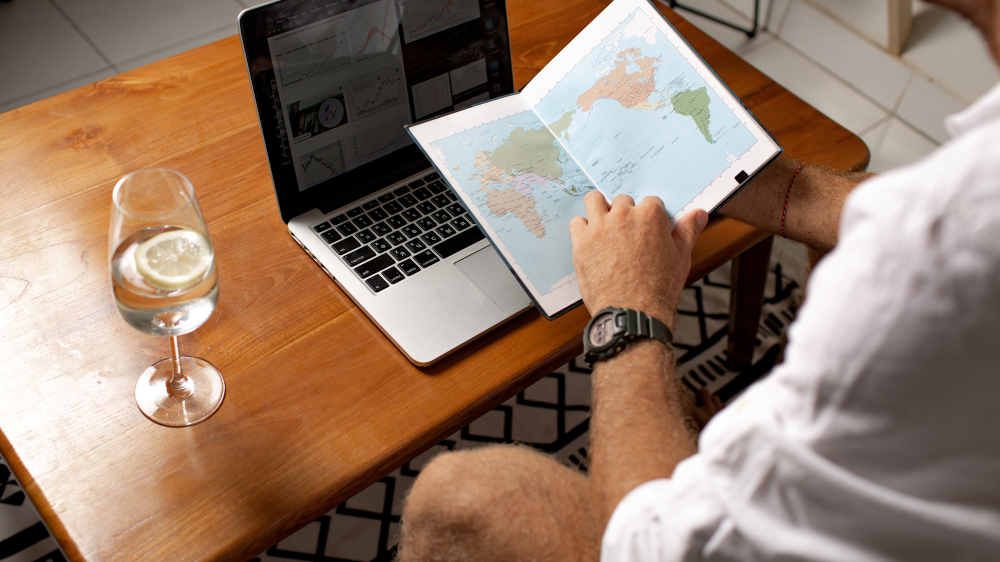
I still remember the moment I realized I could work from anywhere in the world. It was 2:00 AM, and I was stuck in my cramped apartment responding to emails that could have waited until morning. My friend Sarah had just posted photos from a beachside café in Vietnam, laptop open, fresh mango smoothie beside her, spending less per month than I was paying just for rent. That image haunted me in the best possible way. Within three months, I’d joined the growing tribe of digital nomads discovering that the world offers incredible value if you know where to look.
The landscape of remote work has transformed dramatically, and 2025 presents unprecedented opportunities for location-independent professionals. According to research from the International Labour Organization, remote work arrangements have solidified as a permanent fixture in the global economy, with millions of workers now enjoying the freedom to choose their office view. But here’s the million-dollar question: where can you live comfortably, work productively, and still save money while experiencing different cultures?
This comprehensive guide will walk you through the most affordable digital nomad destinations for 2025, complete with real costs, insider tips, and practical advice for making your nomadic dreams a reality without breaking the bank.
Understanding the True Cost of Digital Nomadism
Before we dive into specific destinations, let’s talk about what “affordable” actually means in the context of digital nomad life. Many newcomers make the mistake of only considering accommodation costs, but the reality is far more nuanced.
When evaluating destinations, you need to consider accommodation, food, transportation, coworking spaces, entertainment, visa fees, health insurance, and those unexpected expenses that always seem to pop up. The Nomad List community has been tracking these costs for years, and their data reveals something fascinating: the cheapest destinations aren’t always the best value when you factor in quality of life, internet reliability, and the intangible benefits of being part of an established nomad community.
I learned this lesson the hard way in my first year of nomadic life. I chose a city purely based on low rent, only to discover that unreliable internet forced me to work from cafés daily, spotty electricity meant I needed backup power solutions, and the lack of a nomad community left me feeling isolated. The “cheap” destination ended up costing me more in both money and mental health than if I’d chosen somewhere slightly more expensive but better equipped for remote workers.
Southeast Asia: The Perennial Favorite for Budget Nomads
Vietnam: Where Ancient Culture Meets Modern Infrastructure
Vietnam has consistently ranked among the top destinations for budget-conscious digital nomads, and 2025 is no exception. The country offers an unbeatable combination of delicious food, rich history, welcoming locals, and costs that seem almost impossible if you’re coming from Western countries.
In Ho Chi Minh City, you can rent a modern studio apartment in a safe neighborhood for $400 to $600 per month, complete with air conditioning and reliable high-speed internet. The city’s District 2 and Thao Dien areas have evolved into unofficial digital nomad headquarters, with excellent coworking spaces, international restaurants, and regular meetups. According to the Vietnam Ministry of Planning and Investment, the country has invested heavily in digital infrastructure, making it increasingly attractive for remote workers who need dependable connectivity.
What makes Vietnam particularly special is the food scene. Street food meals cost between $1 and $3, and they’re not just cheap—they’re absolutely incredible. I spent three months in Hanoi and probably gained ten pounds despite walking everywhere. The bánh mì alone is worth the flight. For those who prefer cooking at home, local markets offer fresh produce, meat, and seafood at prices that make Western grocery stores seem criminal.
The coffee culture deserves its own paragraph. Vietnamese coffee is legendary, and café culture is woven into the fabric of daily life. You’ll find countless cafés with strong wifi, comfortable seating, and iced coffee that costs less than a dollar. Many nomads use these as alternative workspaces, spending just a few dollars per day for a change of scenery and unlimited caffeine.
Thailand: The Gateway Drug of Digital Nomadism
If Vietnam is the hidden gem, Thailand is the established favorite—and for good reason. Cities like Chiang Mai have essentially become digital nomad universities, where newcomers learn the ropes from seasoned travelers while enjoying some of the best value for money anywhere in the world.
Chiang Mai offers the perfect introduction to nomadic life. You can find comfortable apartments for $300 to $500 monthly, coworking day passes for $5 to $10, and meals ranging from $1.50 for street food to $5 for sit-down restaurant fare. The city hosts numerous coworking spaces like Punspace and CAMP, where you’ll instantly connect with other remote workers. Research from the Tourism Authority of Thailand shows that the country has actively courted digital nomads with improved visa options and enhanced digital infrastructure.
What sets Thailand apart is its incredible work-life balance opportunities. On weekends, you can explore ancient temples, trek through jungle, island-hop in the south, or take cooking classes—all without spending much money. The country’s excellent domestic flight network and affordable buses mean exploration doesn’t require a massive budget.
Bangkok presents a different flavor of Thai nomad life. It’s more cosmopolitan, with world-class shopping, dining, and entertainment, yet still remarkably affordable compared to other global capitals. The BTS Skytrain makes navigation easy, and neighborhoods like Ari and Thonglor have evolved into creative hubs filled with independent cafés and boutique coworking spaces.
Indonesia: Islands of Opportunity
Bali has become almost synonymous with digital nomad culture, particularly areas like Canggu and Ubud. While prices have risen compared to five years ago, it remains affordable by Western standards and offers something unique: a deeply spiritual culture that emphasizes balance and wellness.
Expect to pay $400 to $700 for a decent apartment or villa, often with a pool and tropical garden. Coworking spaces like Dojo Bali and Outpost have built entire communities around remote work, offering not just desks but networking events, skill shares, and social activities. According to the Indonesian Ministry of Tourism, the country has recognized the economic impact of digital nomads and has worked to improve visa regulations and digital infrastructure.
Beyond Bali, cities like Yogyakarta offer even better value with deeper cultural immersion. This university town has affordable accommodations starting at $200 monthly, incredible traditional food, and proximity to world-famous temples like Borobudur. The nomad community is smaller but growing, creating opportunities to connect more authentically with local culture while still meeting fellow remote workers.
Eastern Europe: Europe on a Budget
Georgia: The Caucasus Gem
Georgia might be the best-kept secret in the digital nomad world. This country at the crossroads of Europe and Asia offers a one-year visa for remote workers, making it ideal for those wanting to settle somewhere longer without visa runs. The capital city, Tbilisi, has exploded in popularity among nomads who appreciate its blend of old-world charm, emerging tech scene, and incredibly low costs.
You can live comfortably in Tbilisi for $800 to $1,200 per month, including rent, food, entertainment, and coworking. Apartments in trendy neighborhoods like Vake or Saburtalo cost $300 to $500 monthly, and the city’s coworking scene has matured significantly with spaces like Terminal and Impact Hub. Data from the Georgian National Tourism Administration indicates that the country has positioned itself as a digital nomad hub, with streamlined processes for remote workers.
Georgian hospitality is legendary, and the food culture—influenced by Turkish, Persian, and Russian traditions—offers incredible variety. A full meal at a traditional restaurant rarely exceeds $8, and wine is both excellent and absurdly cheap since Georgia is one of the world’s oldest wine-producing regions.
Bulgaria: European Union Access at Non-EU Prices
Bulgaria offers something rare: you’re in the European Union with all its benefits, but costs remain comparable to Southeast Asia. Sofia, the capital, has emerged as a tech hub with a thriving startup scene and a growing community of international remote workers.
Monthly costs in Sofia typically range from $1,000 to $1,500 for a comfortable lifestyle. Apartments in central neighborhoods cost $400 to $600, meals out average $5 to $10, and the city’s excellent public transportation system costs just $30 monthly for unlimited travel. According to the Bulgarian Ministry of Tourism, the country has invested in becoming a competitive destination for remote workers, particularly those seeking European base within budget constraints.
What makes Bulgaria particularly appealing is its location. You’re just a short, cheap flight from most major European cities, making weekend trips to Rome, Paris, or Barcelona entirely feasible on a nomad budget. The country itself offers mountains for skiing and hiking, Black Sea beaches, and charming historical towns, providing endless exploration opportunities.
Latin America: Diverse Cultures, Affordable Living
Mexico: Convenience Meets Value
Mexico has become the default choice for many North American digital nomads, and it’s easy to see why. The timezone alignment with the United States makes it perfect for those who need to be available during US business hours, and the proximity means you can fly home easily if needed.
Cities like Mexico City, Playa del Carmen, and Oaxaca have well-established nomad communities with excellent infrastructure. In Mexico City, you can find modern apartments in safe neighborhoods like Roma Norte or Condesa for $600 to $900 monthly. The city offers world-class museums, restaurants, and nightlife at prices that would be considered cheap in most Western countries.
Research from the Mexico Tourism Board shows that the country has actively welcomed remote workers, with some regions even creating special programs to attract digital nomads. The food scene alone justifies choosing Mexico—from street tacos at $0.50 each to innovative fine dining at a fraction of what you’d pay in New York or Los Angeles.
Playa del Carmen offers a different vibe: beachside living with a heavy international influence. While more expensive than Mexico City, you can still live comfortably for $1,200 to $1,800 monthly while being steps from Caribbean beaches. The town has numerous coworking spaces and hosts regular nomad events, making it easy to build a social network.
Colombia: The Rising Star
Colombia has completely transformed its international image over the past decade, and cities like Medellín have become major digital nomad destinations. Known as the “City of Eternal Spring” for its perfect year-round weather, Medellín offers modern infrastructure, friendly locals, and costs that remain very reasonable despite increasing popularity.
You can live well in Medellín for $1,000 to $1,500 monthly, including rent in neighborhoods like El Poblado or Laureles ($400-$600), food, transportation, and entertainment. The city’s metro system is efficient and affordable, and the coworking scene has matured significantly with spaces like Selina and AtomHouse. According to the Colombian Ministry of Commerce, the country has recognized the economic potential of attracting remote workers and has worked to improve digital infrastructure and visa processes.
What sets Medellín apart is the warmth of its people and the city’s commitment to innovation and transformation. The former industrial city has reinvented itself as a tech hub, and that energy is palpable. The surrounding mountains offer hiking, paragliding, and weekend getaways, while the city itself has excellent restaurants, cafés, and cultural activities.
Comparison Table: Top Affordable Digital Nomad Destinations 2025
Monthly Cost Breakdown: Where Your Money Goes Furthest
| Destination | Rent (Studio) | Food (Daily) | Coworking | Total Monthly | Internet Quality | Nomad Community |
|---|---|---|---|---|---|---|
| Hanoi, Vietnam | $400-600 | $5-10 | $50-100 | $800-1,200 | Excellent | Growing |
| Chiang Mai, Thailand | $300-500 | $5-12 | $80-120 | $750-1,300 | Excellent | Very Large |
| Canggu, Bali | $500-800 | $8-15 | $100-150 | $1,100-1,800 | Good | Very Large |
| Tbilisi, Georgia | $300-500 | $8-15 | $80-120 | $900-1,400 | Very Good | Medium |
| Sofia, Bulgaria | $400-600 | $8-15 | $100-150 | $1,000-1,500 | Excellent | Growing |
| Mexico City, Mexico | $600-900 | $10-20 | $100-150 | $1,200-2,000 | Excellent | Large |
| Medellín, Colombia | $400-600 | $8-15 | $80-120 | $1,000-1,500 | Very Good | Large |
Note: All costs in USD. “Total Monthly” includes rent, food, coworking, transportation, and entertainment for a comfortable lifestyle.
The Hidden Costs Nobody Talks About
While the destinations above offer excellent value, experienced nomads know that certain expenses can sneak up on you if you’re not careful. Let me share some wisdom earned through trial, error, and occasionally painful bank statements.
Visa runs and legal compliance can add significant costs depending on your destination. Thailand requires border runs every few months unless you secure a long-term visa, which involves bus tickets, accommodation, and a day or two of lost work time. Research from the World Tourism Organization emphasizes the importance of understanding visa regulations before committing to a destination. Some countries offer digital nomad visas with extended stays, but these often come with application fees ranging from $100 to $500.
Healthcare and insurance represent another crucial consideration. Many nomads opt for international health insurance, which typically costs $100 to $300 monthly depending on coverage and age. Some countries like Thailand offer affordable local healthcare, but having comprehensive insurance provides peace of mind for serious medical issues or emergencies requiring evacuation.
The social cost of constant movement isn’t financial but deserves mention. Moving between destinations every few months means repeatedly saying goodbye to friends, learning new transportation systems, finding reliable restaurants and services, and dealing with the mental energy of constant adaptation. Some nomads find their productivity actually increases when they stay put for 3-6 months rather than moving constantly.
Technology and equipment upgrades happen more frequently when you’re mobile. Laptops face greater wear and tear, you might need voltage converters and adapters, backup batteries become essential, and you’ll probably invest in better luggage after your first bag falls apart. Budget at least $500-$1,000 annually for equipment maintenance and upgrades.
Making the Most of Your Nomad Budget
The difference between struggling financially as a nomad and living comfortably often comes down to smart habits rather than income level. Here are strategies that have saved me thousands over the years.
Embrace slow travel. Counter-intuitively, staying longer in each place saves money. Monthly apartment rentals are dramatically cheaper than weekly rates, you’ll discover the best local restaurants rather than eating at tourist traps, you’ll learn which supermarkets offer the best value, and you’ll build a social network reducing the need for paid entertainment. According to the Booking.com Work from Anywhere Report, long-term stays have increased significantly as remote workers recognize these benefits.
Cook strategically. You don’t need to cook every meal to save money, but preparing breakfasts and some dinners at home can cut food costs by 40-50%. Local markets offer incredible fresh ingredients at prices that make cooking both economical and enjoyable. I’ve found that cooking breakfast and lunch while eating out for dinner provides a good balance between savings and social connection.
Choose neighborhoods wisely. Living in the heart of the digital nomad district isn’t always the best value. Research neighborhoods where locals live—you’ll find better prices on everything from rent to meals while experiencing more authentic culture. Just ensure the area has good internet and feels safe.
Leverage coworking strategically. Not everyone needs a coworking membership. If you work well from home and your apartment has solid internet, you might only need occasional coworking for meetings or social connection. Many spaces offer day passes or part-time memberships. Alternatively, cultivate relationships with cafés that have good wifi and are happy to host regulars.
Build income streams in strong currencies. This might seem obvious, but earning in dollars, euros, or pounds while spending in cheaper currencies gives you enormous leverage. If you’re just starting as a freelancer, focus on clients in high-income countries even if you’re living somewhere affordable.
The Digital Infrastructure Question
Let’s address the elephant in the room: none of these affordable destinations matter if you can’t do your work effectively. Internet reliability has improved dramatically worldwide, but quality varies significantly between and within countries.
Southeast Asia has made massive infrastructure investments. Cities like Bangkok, Ho Chi Moi City, and Kuala Lumpur now offer fiber optic connections comparable to anything in the West. However, rural areas and islands still struggle with reliability. According to the Speedtest Global Index, many Southeast Asian cities now rank in the top tier globally for internet speeds.
Eastern Europe generally offers excellent connectivity. Countries like Bulgaria, Romania, and Georgia have surprisingly robust internet infrastructure, often faster and more reliable than in parts of Western Europe or North America. This is partly because these countries built their digital infrastructure more recently, allowing them to implement newer technology from the start.
Latin America presents more variation. Major cities like Mexico City, Medellín, and Buenos Aires have good connectivity, but quality can drop significantly in smaller towns or coastal areas. Always check with current nomads in your specific neighborhood before committing to a long-term rental.
Power reliability matters as much as internet speed. Some affordable destinations experience regular power outages, which can disrupt video calls and damage equipment. Invest in a good surge protector and consider a small UPS (Uninterruptible Power Supply) for your laptop if you’re working somewhere with unstable electricity.
Building Community on the Road
One aspect of nomad life that newcomers often underestimate is the importance of community. Working remotely can be isolating, and being far from established friend and family networks amplifies this challenge. The most successful long-term nomads are those who actively build social connections in each destination.
Coworking spaces serve as instant communities. Beyond just desks and wifi, places like Hubud in Bali, Punspace in Chiang Mai, and Impact Hub locations worldwide host regular events, skill shares, and social gatherings. These spaces often justify their membership fees through community alone, even if you don’t work there daily.
Meetup.com and Facebook groups help you find your tribe. Most nomad destinations have regular meetups for remote workers, specific interest groups (like runners, hikers, or language learners), and social events. Don’t wait to be invited—show up, introduce yourself, and you’ll quickly find your people.
Volunteering or taking classes provides deeper cultural immersion while building meaningful connections. Language classes, cooking classes, or volunteering with local organizations helps you meet both expats and locals, creating a richer experience than hanging exclusively with other nomads.
Digital nomad-specific apps like Nomad List, Bumble BFF, and destination-specific WhatsApp groups make connecting easier than ever. Research from the Remote Year community suggests that social connection is one of the strongest predictors of long-term nomad sustainability.
Frequently Asked Questions About Affordable Digital Nomad Destinations
How much money do I need to start living as a digital nomad?
Most experts recommend having at least 3-6 months of living expenses saved before making the leap, plus funds for initial setup costs like flights, deposits, and equipment. For the destinations mentioned in this guide, that means having $3,000-$9,000 in savings depending on your chosen location. Remember that your first few months will likely cost more as you figure out the best places to shop, eat, and find services. Having a financial cushion reduces stress and allows you to make better decisions rather than panicking if work is slow.
Can I actually save money while living as a digital nomad?
Absolutely, if you choose your destinations strategically and avoid lifestyle inflation. Many nomads living in Southeast Asia or Eastern Europe save 30-50% of their income while enjoying a higher quality of life than they had in expensive Western cities. The key is maintaining discipline—just because things are cheap doesn’t mean you should constantly eat out, travel every weekend, or upgrade your accommodations beyond necessity. I personally saved more money during my first year nomading through affordable destinations than I had in three years living in San Francisco.
What about health insurance as a digital nomad?
This is crucial and non-negotiable. International health insurance providers like SafetyWing, World Nomads, and Cigna Global offer plans specifically designed for location-independent workers, typically costing $50-$300 monthly depending on coverage, age, and whether you want US coverage included. Many countries also offer affordable local healthcare, but international insurance provides coverage for serious medical issues, evacuation if necessary, and peace of mind. Some nomads also maintain minimal coverage in their home country while supplementing with travel insurance, but this requires careful research to ensure adequate protection.
How do taxes work as a digital nomad?
This gets complicated quickly and depends on your citizenship, where you earn money, and how long you spend in various countries. US citizens must file taxes regardless of where they live, though the Foreign Earned Income Exclusion can help. Other countries have different rules about tax residency, often based on where you spend more than 183 days per year. Seriously consider hiring a tax professional who specializes in digital nomads—the $500-$1,000 you’ll spend is worth it to avoid costly mistakes. Resources like the IRS International Taxpayers page provide starting points, but professional guidance is invaluable.
Is it safe to travel alone to these affordable destinations?
Safety levels vary by destination and neighborhood, but most places mentioned in this guide are generally safe for solo travelers who take reasonable precautions. Southeast Asian countries typically have low violent crime rates, though petty theft can occur in tourist areas. Latin American cities require more awareness about which neighborhoods to avoid, but millions of expats live safely in places like Mexico City and Medellín by staying informed and avoiding unnecessary risks. Join local expat groups, ask other nomads about safe neighborhoods, avoid flashing expensive equipment, and trust your instincts. Female solo travelers will find vibrant communities in all these destinations, though cultural differences around gender vary significantly.
What if I don’t have a fully remote job yet?
Start building remote work skills and income streams before quitting your current job. Many successful nomads began by freelancing part-time, building an online business on the side, or negotiating remote arrangements with current employers. Platforms like Upwork, Fiverr, and Toptal can help you find your first remote clients, though expect to start with lower rates until you build a portfolio. Some people also fund initial nomad periods through savings from previous jobs while building their remote career. The key is having reliable income before committing to the lifestyle—nomading while financially stressed removes much of the joy.
How do I handle loneliness as a digital nomad?
Loneliness is probably the biggest challenge nomads face, even in the most social destinations. Combat it by staying in each place long enough to build genuine friendships (3+ months is ideal), actively participating in coworking communities and meetups, maintaining connections back home through regular video calls, and being honest with yourself about your social needs. Some people thrive with more solitude, while others need constant social interaction. There’s no shame in returning to a home base or slowing your travel if loneliness becomes overwhelming. Many successful long-term nomads eventually adopt “hub” approaches, returning to favorite cities where they have established friend groups.
What are the best resources for finding accommodation in these destinations?
Different destinations favor different platforms. Airbnb works well for initial month-long stays while you explore neighborhoods, but local Facebook groups often offer better long-term value once you’re ready to commit. Websites like Booking.com now offer long-term rental options, and destination-specific sites like Bali Long Term Rentals or Mexico City Apartments can provide excellent deals. Many nomads also find accommodations through word-of-mouth recommendations in coworking spaces or expat groups. Always try to view a place in person before committing to more than a month, and read recent reviews carefully to avoid unpleasant surprises.
Making the Leap: Practical Next Steps
If you’ve read this far, you’re probably seriously considering the digital nomad lifestyle. Let me share a practical roadmap for making it happen rather than remaining a perpetual dream.
First, ensure your work is truly remote-ready. If you’re an employee, have clear conversations with your manager about expectations, communication protocols, and time zone considerations. Get everything in writing to avoid misunderstandings. If you’re a freelancer, make sure you have at least 2-3 months of work lined up or reliable client relationships before purchasing that plane ticket.
Choose a beginner-friendly destination for your first stop. Don’t try to be a hero by picking somewhere really off the beaten path. Places like Chiang Mai, Playa del Carmen, or Lisbon (though more expensive) are popular precisely because they make the transition easier. The infrastructure is in place, you’ll find other nomads who’ve navigated the same challenges, and you can focus on adjusting to your new lifestyle rather than struggling with basic logistics.
Start with a month-long trip as a test run. Before quitting your job or giving up your apartment, try a one-month nomad experience somewhere affordable. This gives you realistic insights into what the lifestyle involves, helps you identify what you need to pack, and reveals whether this lifestyle suits you before making irreversible commitments.
Build your digital toolkit before you leave. Ensure you have reliable VPN service, cloud backup for all important documents, appropriate travel insurance, a bank account with low international fees, and a communication plan for staying connected with clients and colleagues. These boring logistics become crucial when you’re troubleshooting technical issues from a café in Vietnam at 2:00 AM.
Connect with the community before arrival. Join Facebook groups for your destination, reach out to other nomads on Instagram or Nomad List, and ask questions. The digital nomad community is remarkably generous with advice and connections. You’ll often find people willing to show you around when you arrive, recommend apartments, or share co-working passes.
Conclusion: Your Affordable Adventure Awaits
The digital nomad lifestyle isn’t about escaping responsibility or running away from real life—it’s about designing a life that aligns with your values while exploring the incredible diversity our planet offers. The destinations outlined in this guide prove that you don’t need six-figure savings or a trust fund to live this lifestyle; you simply need reliable remote income, a spirit of adventure, and willingness to step outside your comfort zone.
What strikes me most after years of location-independent living is how this lifestyle challenges our assumptions about what we need to be happy. You discover that a smaller apartment in an exciting city beats a large house in the suburbs, that street food shared with new friends surpasses expensive restaurants eaten alone, and that experiences consistently bring more joy than possessions. The affordable destinations described here aren’t compromises—they’re often upgrades in quality of life despite costing less.
The world has never been more accessible to location-independent workers. Internet infrastructure continues improving in developing countries, visa regulations are becoming more nomad-friendly, and the growing community means you’ll find support and connection wherever you go. Whether you’re drawn to Southeast Asia’s temples and street food, Eastern Europe’s emerging tech scenes and affordable Europe access, or Latin America’s cultural richness and timezone convenience, there’s a perfect destination waiting for you.
Start small if the leap feels overwhelming. You don’t need to commit to years of travel immediately. Book a month in Chiang Mai or Tbilisi, work your normal hours from a new environment, explore on weekends, and see how it feels. You might discover, as I did, that the life you’ve been dreaming about is not only possible but more affordable than staying put.
The most expensive thing you’ll ever pay for is a life you don’t actually want to live. These affordable digital nomad destinations offer a chance to invest in experiences, growth, and genuine fulfillment rather than just accumulating more stuff in a place that doesn’t inspire you. So research your preferred destination, book that ticket, and join the growing community of people who’ve chosen to work from anywhere while spending less than they would back home.
Your future self—sitting in a café in Vietnam, watching the sunset in Mexico, or exploring ancient churches in Georgia—will thank you for having the courage to begin. The world is waiting, your work is already remote-ready, and these affordable destinations prove that the digital nomad lifestyle is accessible to far more people than most realize. The question isn’t whether you can afford to become a digital nomad—it’s whether you can afford not to explore what’s possible when you break free from geographical constraints and design a life around your priorities rather than your zip code.
The adventure of a lifetime doesn’t require winning the lottery. It just requires taking the first step toward one of these incredible affordable destinations where your money stretches further, your horizons expand daily, and you join a global community of people who’ve discovered that home isn’t a place—it’s a feeling you can find anywhere in the world.