

London, a true global crossroads, is uniquely served by a network of five international airports, each possessing a distinct role, location, and operational focus. Understanding the geography and logistical profile of London’s major air travel hubs, Heathrow, Gatwick, Stansted, City, and Luton, is absolutely essential for any traveler, business professional, or logistical planner. This comprehensive guide details the key characteristics, access options, and ideal traveler profile for each gateway, ensuring readers can make the most informed decisions about their entry or exit point from the United Kingdom.
Content List
1. London Heathrow Airport (LHR)
2. London Gatwick Airport (LGW)
3. London Stansted Airport (STN)
Summary Table: London Airport Comparison
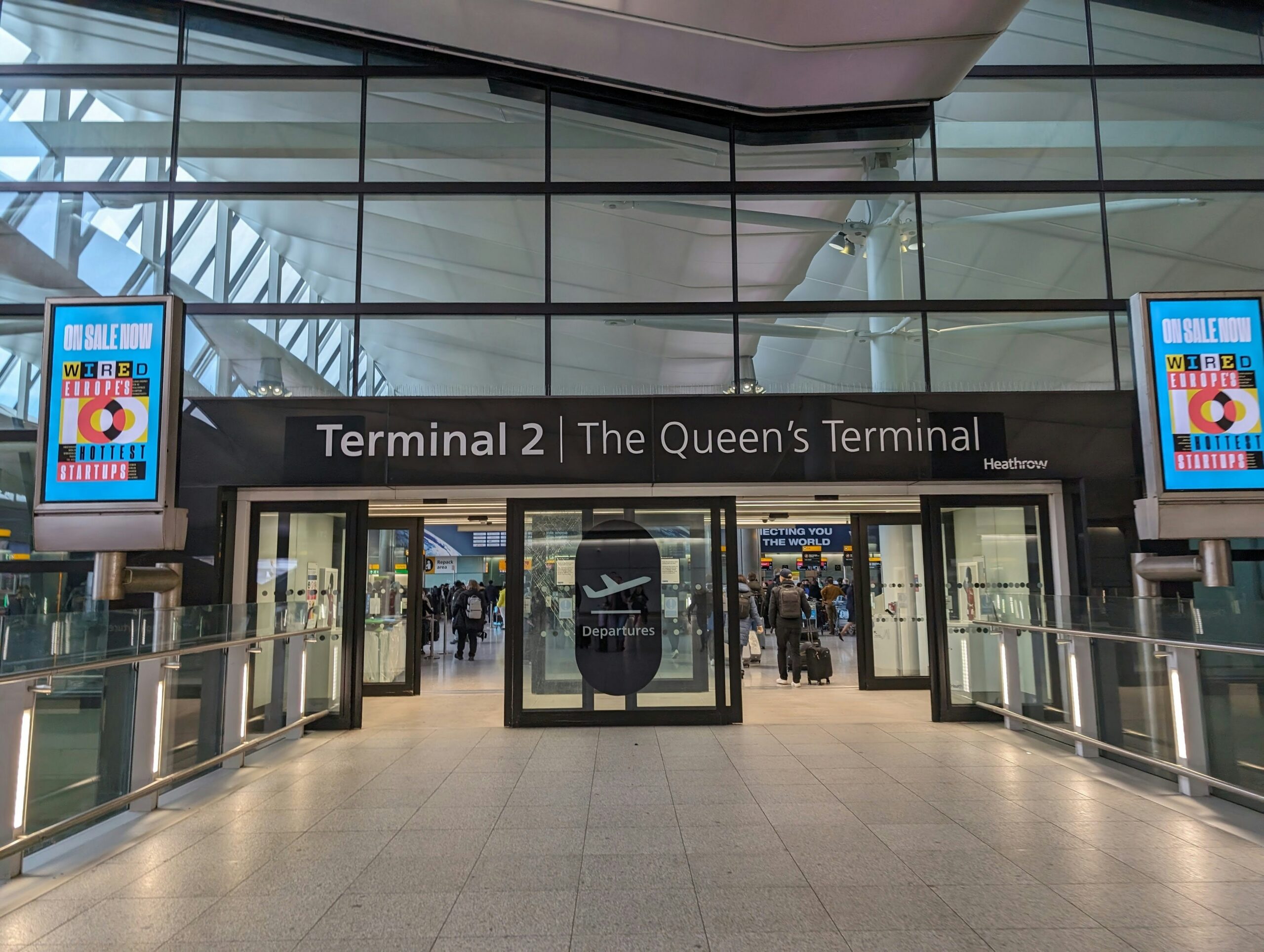 1. London Heathrow Airport (LHR)
Heathrow stands as the undisputed champion and primary global gateway for the United Kingdom. It handles a massive volume of long-haul and premium international traffic, making it a critical hub for global connectivity. Located approximately 14 miles (about 23 km) west of Central London, Heathrow’s strategic position makes it the default choice for premium and long-haul travelers. Its immense role as a hub for major global carriers solidifies its status as the nation’s most important international airport. The dedicated Heathrow Express train service offers the fastest route, taking only about 15–20 minutes to reach London Paddington. Alternatively, the London Underground’s Piccadilly line provides a budget-friendly option, with journey times around 40–50 minutes. Road and taxi journeys are highly susceptible to the capital’s traffic congestion, so always budget extra time during peak hours. Operating four active passenger terminals (Terminals 2-5) and multiple runways, Heathrow’s sheer size necessitates allowing ample time for all airport processes, including transfers, baggage collection, and immigration.
2. London Gatwick Airport (LGW)
Gatwick serves as an essential counterpoint to Heathrow, operating as the UK’s second-busiest single-site airport. It offers a crucial balance between distance and efficient connectivity, particularly for European routes. Situated approximately 27–28 miles (about 45 km) south of Central London, Gatwick efficiently connects travelers primarily to and from Europe. This slightly greater distance is managed by exceptional transport links, making it a strong alternative to the primary hub. Fast train services, notably the Gatwick Express, run direct into London Victoria, with journey times achievable in about 30 minutes. This quick transit time means that airport arrival and city arrival feel almost seamless. Road access via the M23 and A23 is available, but travel time is always subject to traffic conditions. While physically smaller than Heathrow, Gatwick manages a very high passenger throughput through its two main terminal areas (North & South), which are connected by a fast, internal shuttle/rail service.
3. London Stansted Airport (STN)
Stansted occupies a key position as a major base for low-cost carriers, catering significantly to the value-conscious traveler focused on short and medium-haul European destinations. Located about 40 miles (about 64 km) northeast of Central London, Stansted’s role is predominantly as a hub for airlines like Ryanair. Its distance means a longer, but often cheaper, city transit is the trade-off. The Stansted Express train service runs frequently, taking approximately 45–60 minutes to reach central stations such as Liverpool Street. Coach services offer a slower, more budget-friendly option. If driving or using a taxi, travelers must anticipate significant time for the final leg of the journey into the city center. Stansted is a major London system airport, focusing on volume and efficiency for budget airlines. The longer distance from the capital is its defining geographical characteristic.
4. London City Airport (LCY)
London City Airport provides the most convenient and rapid access for business professionals working in the city’s financial districts. Its unique, central location dictates its specialized role. City Airport is the most central of all London’s airports, located only about 6 miles (about 10 km) east of the City of London and 3 miles from Canary Wharf. It primarily serves short- to mid-haul European flights and attracts business travelers seeking swift check-in and fast access to financial centers. Its direct link to the Docklands Light Railway (DLR) is its major advantage. The DLR connects seamlessly to the Underground network, with journey times to Bank DLR station taking only about 25 minutes. Taxi rides also offer a direct, quick option, often taking about 30 minutes to Central London outside of peak congestion. LCY is compact, featuring a single terminal and a shorter runway, which limits the size of aircraft that can operate there. This small footprint, however, ensures high efficiency and speedy operations for its target market.
 5. London Luton Airport (LTN)
Luton is another significant player in the low-cost travel sector, serving as a vital gateway for major budget airlines and offering increasingly fast rail connections to the capital. Positioned approximately 32 miles (about 51 km) north of Central London, Luton is a major base for low-cost carriers such as EasyJet and Ryanair, ranking as the UK’s fifth-busiest airport. It functions as a key budget gateway to Europe. The fastest option involves the Luton DART shuttle train connecting the terminal to Luton Airport Parkway station in just four minutes. From the parkway, express services like the Luton Airport Express take travelers to London St Pancras International in as little as 21 minutes, leading to a total transit time of around 32 minutes. Coach services offer a slower, budget alternative. Luton operates a single terminal and a single runway. Recent infrastructure investments, particularly the Luton DART, have dramatically improved its rail connection speed, strengthening its competitive position against other low-cost hubs.
Summary Table: London Airport Comparison
| Airport | Approximate Distance to Central London | Best Access Options | Ideal For |
|---|---|---|---|
| Heathrow (LHR) | ~14 miles / ~23 km | Express train (~15-20 min), Underground | Major international hub, long-haul, premium travel |
| Gatwick (LGW) | ~27-28 miles / ~45 km | Direct train (~30 min), coach | Efficient access, strong European links, diverse traveler base |
| Stansted (STN) | ~40 miles / ~64 km | Express train (~45-60 min), coach | Budget flights, low-cost carriers, value access |
| City (LCY) | ~6 miles / ~10 km | DLR train (~25 min to Bank) | Business travel, ultimate speed/proximity to financial districts |
| Luton (LTN) | ~32 miles / ~51 km | DART + Express train (~32 min total) | Low-cost carriers, north London access, budget-conscious travel |