

Solo adventure travel is no longer a niche pursuit reserved for extreme backpackers or seasoned explorers. According to industry insights from the United Nations World Tourism Organization, independent travel has grown steadily over the past decade, with more people choosing immersive, self-directed experiences over traditional group tours. For beginners, however, the idea of traveling alone into unfamiliar terrain can feel both thrilling and intimidating.
This comprehensive guide breaks down everything first-time solo adventurers need to know—from planning and safety to budgeting, mindset, and destination selection—so you can travel independently with clarity and confidence.
Understanding Solo Adventure Travel
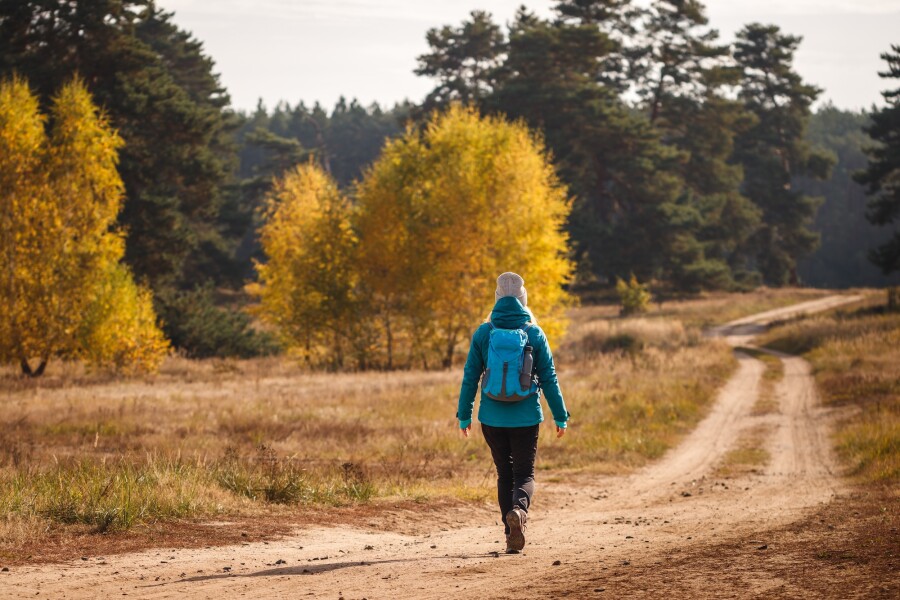
Solo adventure travel involves exploring destinations independently, often with a focus on nature, physical activity, cultural immersion, or personal challenge. Unlike leisure vacations centered on relaxation, adventure travel emphasizes experiences such as trekking, cycling, diving, wildlife exploration, or remote cultural discovery.
The Adventure Travel Trade Association defines adventure travel as a combination of physical activity, natural environment, and cultural immersion. Beginners should understand that adventure travel doesn’t necessarily mean extreme risk. It can range from a multi-day mountain trek to exploring a new city’s backstreets on foot.
Key characteristics include:
- Independent planning and decision-making
- Flexible itineraries
- Active exploration
- Immersive cultural or natural experiences
For newcomers, the goal is not to seek danger, but to embrace meaningful exploration while maintaining responsible planning.
Why Solo Adventure Travel Appeals to Beginners
Research from Booking.com consistently shows rising interest in solo travel due to autonomy and personal growth opportunities. Solo adventure travel offers distinct advantages:
- Full control over schedule and pace
- Greater cultural engagement
- Stronger problem-solving skills
- Increased self-confidence
Beginners often discover that traveling alone sharpens awareness and decision-making. Without the influence of companions, every choice—from navigation to dining—builds independence.
Choosing the Right Destination as a First-Timer

Selecting an appropriate destination is crucial. According to the Global Peace Index, countries with higher safety rankings tend to offer smoother experiences for solo visitors.
Beginner-friendly adventure destinations often share these qualities:
- Strong tourism infrastructure
- Reliable public transportation
- Clear signage
- English-language accessibility
- Established outdoor safety standards
Destinations frequently recommended for solo adventurers include:
- Iceland (safe, well-marked trails)
- New Zealand (excellent hiking infrastructure)
- Japan (efficient transport and low crime rates)
- Costa Rica (eco-tourism leadership and guided adventure options)
Before booking, consult government travel advisories such as those from the U.S. Department of State or your country’s equivalent to understand safety updates.
Planning and Preparation: The Foundation of Safe Adventure
Thorough planning reduces risk dramatically. The Centers for Disease Control and Prevention Travel Health portal recommends reviewing vaccination requirements, local health risks, and emergency procedures before departure.
Essential Planning Steps
- Research visa requirements
- Secure travel insurance with adventure coverage
- Register with your embassy (where applicable)
- Share itinerary with trusted contacts
- Download offline maps
Adventure travel insurance is particularly important. Providers recommended by travel experts often include evacuation and activity coverage for hiking, diving, or cycling.
Smart Packing for Solo Adventure Travel

Packing efficiently reduces stress and mobility issues. The Transportation Security Administration provides updated guidelines on carry-on restrictions, helping travelers avoid airport delays.
Core Packing Principles
- Choose lightweight, multipurpose clothing
- Pack moisture-wicking layers
- Carry a compact first-aid kit
- Use packing cubes for organization
- Bring portable power banks
Avoid overpacking. Solo travelers manage their luggage independently, often across uneven terrain.
Budgeting and Financial Planning
Adventure travel can be cost-effective with strategic budgeting. Data from the World Bank highlights currency fluctuations that may impact travel expenses.
Budget Considerations
- Accommodation type (hostels, eco-lodges, guesthouses)
- Transportation (public transit vs. rental vehicles)
- Activity fees (guided tours, permits)
- Emergency funds
Use international debit or credit cards with low foreign transaction fees. Always notify your bank before international travel to prevent card blocks.
Accommodation Options for Solo Adventurers
Accommodation influences both safety and experience quality.
Popular Options
- Hostels (social and budget-friendly)
- Boutique guesthouses
- Eco-lodges
- Certified homestays
Platforms that verify property reviews and safety standards help reduce uncertainty. Look for properties with strong review histories and transparent policies.
Safety Strategies Every Beginner Should Follow

The World Health Organization emphasizes risk awareness and preparedness in international environments. While solo travel is statistically safe in many regions, preparation matters.
Practical Safety Guidelines
- Avoid isolated areas after dark
- Keep digital and physical document copies
- Use secure transportation options
- Trust official taxi services or rideshare platforms
- Keep emergency contacts easily accessible
Situational awareness is more important than fear. Confident body language and purposeful movement reduce vulnerability.
Building Confidence Before Departure
Confidence grows from preparation, not spontaneity. Short local solo trips can act as training experiences. Testing navigation skills, booking accommodations independently, and managing small travel challenges build practical competence.
Travel readiness includes:
- Navigating unfamiliar neighborhoods
- Managing language barriers
- Handling minor disruptions
Practice builds resilience.
Adventure Activities Suitable for Beginners
Not all adventure activities require extreme fitness or training.
Entry-Level Adventure Ideas
- Guided day hikes
- Kayaking tours
- Wildlife safaris
- Cultural walking tours
- Snorkeling excursions
Certified operators often follow safety standards set by international tourism associations. Always verify credentials and read reviews carefully.
Communication and Connectivity
Reliable communication enhances safety and convenience.
Options include:
- International roaming plans
- Local SIM cards
- Portable Wi-Fi devices
- Offline map downloads
Navigation apps reduce confusion in unfamiliar cities or remote areas. Many travelers rely on offline GPS apps in case of signal loss.
Responsible and Sustainable Travel Practices
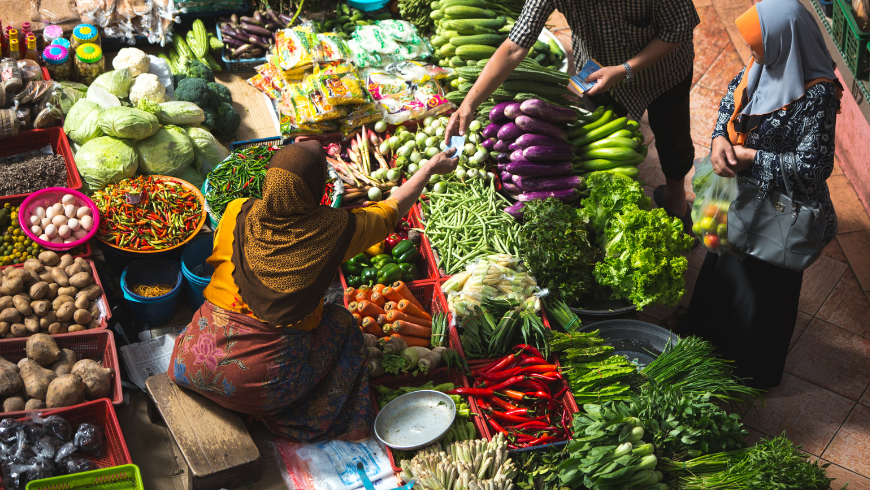
Adventure travelers often visit fragile ecosystems. The Leave No Trace Center for Outdoor Ethics outlines principles for minimizing environmental impact.
Key practices include:
- Pack out all waste
- Stay on marked trails
- Support local businesses
- Reduce plastic consumption
- Respect wildlife boundaries
Sustainable tourism ensures destinations remain viable for future travelers.
Solo Adventure Travel Comparison Table
| Category | Guided Group Adventure | Solo Independent Adventure |
|---|---|---|
| Flexibility | Fixed itinerary | Full schedule control |
| Cost | Often higher | Can be budget-optimized |
| Social Interaction | Built-in group | Self-initiated |
| Risk Management | Guide-supported | Self-managed |
| Learning Experience | Structured | Self-directed and immersive |
For beginners seeking independence but wanting safety support, hybrid models—such as joining guided excursions within a solo trip—offer balance.
Common Mistakes Beginners Should Avoid
- Overplanning every minute
- Ignoring weather forecasts
- Skipping travel insurance
- Sharing real-time location publicly
- Carrying excessive cash
Balanced planning allows flexibility while maintaining structure.
Frequently Asked Questions About Solo Adventure Travel
Is solo adventure travel safe for beginners?
Yes, with proper research and preparation. Choosing destinations with strong infrastructure and following official travel advisories reduces risk significantly.
How much money should a beginner budget?
Budgets vary by destination, but planning daily expenses, emergency funds, and insurance costs ensures financial stability during the trip.
What if something goes wrong?
Prepared travelers maintain copies of documents, emergency contacts, and travel insurance information. Knowing local emergency numbers is essential.
Should beginners start internationally or domestically?
Domestic solo trips can provide foundational experience before venturing abroad.
Is travel insurance really necessary?
Yes. Medical emergencies or evacuation costs abroad can be substantial. Comprehensive coverage provides financial protection.
Final Thoughts: Taking the First Step Toward Independent Adventure
Solo adventure travel is less about isolation and more about intentional exploration. With thoughtful planning, practical safety measures, and realistic expectations, beginners can transform uncertainty into empowerment.
Choosing stable destinations, securing proper insurance, packing strategically, and practicing responsible tourism form the foundation of a successful solo journey. Independent travel builds adaptability, awareness, and global understanding—skills that extend far beyond the trip itself.
For beginners, the most important action is preparation. Research thoroughly, start small if necessary, and approach each step methodically. Confidence develops naturally when supported by planning and informed decision-making.
Adventure does not require recklessness. It requires readiness. And for those prepared to explore independently, the world offers vast landscapes, diverse cultures, and meaningful experiences waiting to be discovered—one deliberate step at a time.