

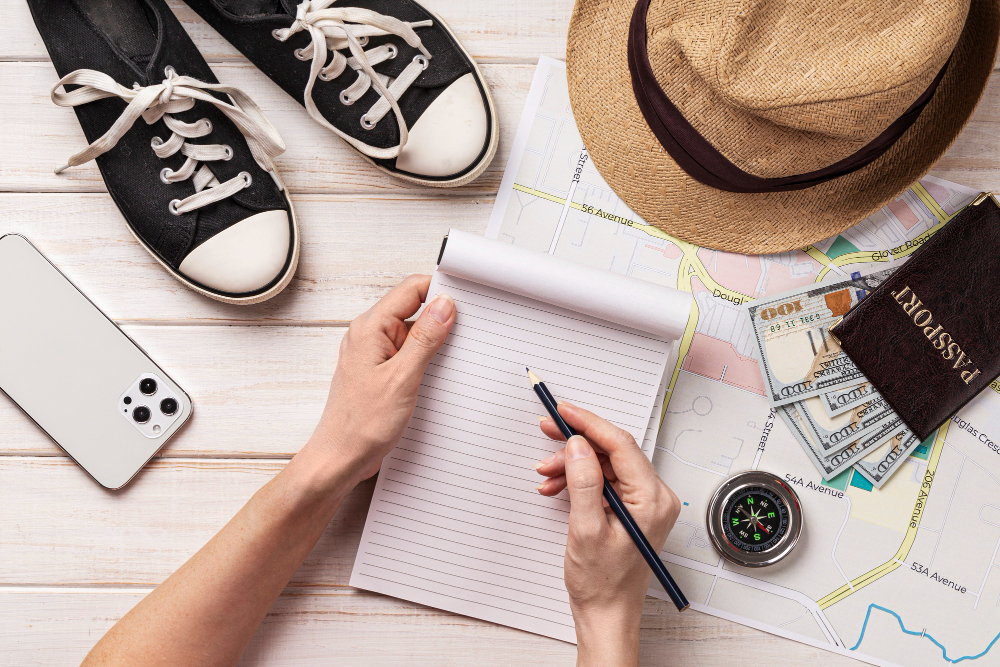
Slow travel is more than a style—it’s a mindset. In a world obsessed with seeing more in less time, slow travel invites you to pause, breathe, wander unhurriedly, and truly connect with places and people. Whether you plan to backpack across continents, work remotely from different countries, or simply explore a region at a thoughtful pace, slow travel transforms journeys into meaningful life chapters.
This comprehensive guide blends expert insights, real-world examples, practical strategies, and tried-and-tested tips to help you design long-term adventures that are budget-friendly, enriching, and unforgettable. Resources from Lonely Planet, National Geographic Travel, and the World Tourism Organization offer evidence to support why slow travel is one of the most sustainable and fulfilling ways to experience the world today.
What Is Slow Travel, and Why Does It Matter?
Slow travel prioritizes depth over speed. Instead of rushing through five cities in seven days, you might spend a week—or a month—in one city, taking time to understand its rhythms.
Experts at BBC Travel describe slow travel as a philosophy rooted in intentional presence. You don’t just visit; you immerse. Your itinerary isn’t measured by the number of attractions checked off, but by authentic experiences, meaningful conversations, and personal growth.
Slow travel is linked to:
- Reduced burnout, backed by findings referenced by Travel + Leisure
- Lower environmental impact, supported by studies from The Nature Conservancy
- Stronger cultural understanding, emphasized by UNESCO World Heritage Centre
- Higher trip satisfaction, as noted in reports from the World Tourism Organization
When you travel slowly, every day becomes a story worth writing.
The Benefits of Slow Travel for Long-Term Explorers
Slow travel isn’t just romantic—it’s practical. Below are the benefits long-term travelers consistently report, supported by travel insights from sources like National Geographic Travel and Lonely Planet.
1. You Save More Money
Accommodation costs drop dramatically when you stay longer. Monthly rentals, local guesthouses, and homestays often charge less per night than short-term hotels. Eating at local markets also stretches your budget further—something travel experts consistently highlight in budget guides.
2. You Reduce Travel Fatigue
Constant packing, airport security lines, and long bus rides can drain your enthusiasm quickly. Slow travel helps you maintain energy and enjoy the journey rather than enduring it.
3. You Build Real Connections
The World Tourism Organization notes that cultural understanding increases when travelers stay long enough to observe daily life. You learn names at the local café, understand nuances in regional customs, and maybe even get invited to a festival or meal.
4. You Travel More Sustainably
Slow travel reduces carbon-intensive transportation and encourages engagement with local communities in ways that support—and don’t overwhelm—local ecosystems, echoing principles advocated by The Nature Conservancy.
5. You Experience Places Beyond the Tourist Lens
Instead of standing in line for the most photographed attraction, you discover:
- Side streets filled with family-run eateries
- Fresh markets
- Neighboring villages
- Local art scenes
You become a temporary resident, not just a visitor.
How to Prepare for a Long-Term Slow Travel Journey
Before you begin your adventure, thoughtful preparation ensures smoother, more meaningful experiences.
Insights from CDC Travel Health, Travel + Leisure, and Lonely Planet highlight the importance of planning with safety, flexibility, and cultural awareness in mind.
Choose Destinations That Encourage Slow Travel
Not all destinations are ideal for fast-paced sightseeing—and that’s a good thing. Countries with strong local cultures, walkable towns, affordable living, and rich natural landscapes naturally encourage slower movement.
Ideal Slow Travel Destinations Include:
- Portugal – Coastal towns, scenic trains, and relaxed lifestyle
- Vietnam – Affordable living, deep history, and delicious food
- Mexico – Cultural diversity, welcoming locals, colorful villages
- Japan – A blend of tradition and tranquility, supported by excellent transport networks
- Georgia (Tbilisi, Batumi, Kutaisi) – Emerging digital-nomad haven
Sources like Lonely Planet and BBC Travel frequently rank these regions high for long-term, meaningful exploration.
Research Local Culture Before You Arrive
Understanding customs, etiquette, and regional history enriches your experience.
UNESCO World Heritage Centre and National Geographic Travel offer credible cultural and historical background on global destinations.
Learning at least a few local phrases helps too. Even a simple greeting can open doors—literally and metaphorically.
Pack Less but Smarter (Minimalism Is Your Friend)
Long-term slow travel requires a different packing mindset. Flexibility is essential, and your luggage shouldn’t weigh you down.
Slow Travel Packing Principles
- Lightweight clothing in versatile layers
- Compact tech essentials (laptop, universal adapter, power bank)
- Reusable bags, utensils, and bottle for sustainability
- A basic first-aid kit (recommended by CDC Travel Health)
- Digital backups of travel documents
Remember: every item you own becomes something you must carry, store, organize, or worry about.
Have a Loose Plan, But Don’t Over-Schedule
One of the pillars of slow travel is embracing the unknown.
Experts at Travel + Leisure often highlight that the best travel moments happen when you allow space for spontaneity: discovering a small bakery on a rainy morning, taking a bus to a town you didn’t know existed, or stumbling upon a sunset viewpoint recommended by a local.
Create a general framework:
- Where you’ll stay for the first week
- Safety considerations (CDC Travel Health)
- Visa requirements
- Budget ranges
The rest? Let the journey unfold.
Slow Travel Tips for Long-Term Journeys (Actionable Guide)
Below are proven tips to help you embrace slow travel in the most rewarding way possible. These tips draw from traveler experiences, expert publications, and sustainable travel resources.
1. Stay Longer in Fewer Places
Instead of hopping between destinations every few days, choose one base and explore around it gradually. Reports shared on BBC Travel suggest that travelers who stay longer form deeper connections and experience greater cultural immersion.
Try spending:
- 1 month in a country
- 2–3 weeks in a city
- 5–7 days in a village or small town
You’ll notice your stress levels drop almost instantly.
2. Prioritize Local Transportation
Bus routes, bicycles, ferries, tuk-tuks, shared rides—these options reveal authentic glimpses of local life.
Residents in Southeast Asia often use scooters, while European cities offer extensive public transportation networks. Guides on Lonely Planet show how budget-friendly and immersive these modes can be.
Benefits include:
- Lower cost
- Lower carbon footprint
- More interaction with locals
3. Learn Local Food Culture
Food tells a story—about people, history, economy, and identity.
According to National Geographic Travel, culinary traditions are some of the best ways to understand a country’s origins and character.
Slow food experiences can include:
- Taking cooking classes
- Eating at family-owned restaurants
- Trying regional specialties
- Exploring morning markets
These moments linger in memory long after museums and monuments fade.
4. Choose Eco-Friendly Accommodations
Slow travel is deeply connected to sustainability. The Nature Conservancy encourages choosing accommodations that reduce waste and support local communities.
Look for lodging that emphasizes:
- Renewable energy use
- Local employment
- Water conservation
- Recycling initiatives
Small homestays, eco-lodges, and community-based tourism projects offer some of the richest experiences.
5. Maintain a Flexible Routine
Slow travel doesn’t mean doing nothing; it means doing things mindfully. Create gentle routines like:
- Morning walks
- Journaling or photography
- Weekly market visits
- Coffee shop work sessions
This allows you to stay grounded, productive, and emotionally balanced.
6. Connect With Locals Authentically
Slow travel thrives on human connection. Sources such as BBC Travel repeatedly emphasize that genuine cultural exchange is one of the most rewarding parts of travel.
Ways to connect:
- Learn basic greetings
- Shop at local markets
- Attend festivals
- Take part in community events
- Talk to taxi drivers, hosts, cooks, vendors
People make places unforgettable.
7. Use Technology Wisely (But Don’t Let It Control Your Trip)
Apps can help with:
- Language translation
- Train schedules
- Safety alerts
- Navigation
- Currency conversion
However, relying too heavily on your phone can distract from immersive experiences. Balance is essential—just as emphasized in Travel + Leisure’s digital wellness features.
8. Protect Your Health While Traveling Slowly
Long-term travel requires sustained wellness practices, as advised by CDC Travel Health.
Keep yourself healthy by:
- Getting recommended vaccinations
- Staying hydrated
- Eating balanced meals
- Sleeping enough
- Taking regular breaks
- Carrying medicines you trust
A healthy traveler is a happy traveler.
⭐ Comparison Table: Slow Travel vs. Fast Travel
| Feature | Slow Travel | Fast Travel |
|---|---|---|
| Pace | Relaxed, immersive | Rushed, scheduled |
| Budget | Generally cheaper (long stays, local food) | Often more expensive |
| Cultural Connection | Deep, meaningful | Surface-level |
| Environmental Impact | Lower, more sustainable | Higher due to frequent transport |
| Stress Level | Low (flexible) | High (tight itineraries) |
| Experience Quality | Authentic and memorable | Quick and snapshot-based |
| Ideal Traveler | Long-term explorers, remote workers | Holidaymakers with limited time |
Real-Life Example: A Month in Northern Portugal
To understand slow travel’s power, imagine spending a month in a small town like Braga.
Your days might look like:
- Grabbing pastries from the same local bakery where the owner now greets you by name
- Taking weekend bus trips to Guimarães or Ponte de Lima
- Learning how to cook bacalhau from a local grandmother
- Visiting UNESCO-recognized heritage sites
- Joining community events like a weekly artisan market
By week four, you’re no longer just visiting—you’re living there. This is what slow travel is all about.
FAQs: Slow Travel Tips for Long-Term Journeys
1. Is slow travel only for digital nomads?
No. Slow travel is for anyone—even retirees, families, and solo adventurers. It simply means traveling mindfully and staying longer.
2. Is slow travel more expensive?
In most cases, it’s cheaper because long-term stays, cooking at home, and local transportation significantly reduce costs.
3. How do I stay safe during long-term trips?
Use guidance from CDC Travel Health, research destinations in advance, and maintain regular communication with family.
4. What should I do if I get bored staying in one place?
Slow travel doesn’t mean staying still—take day trips, join workshops, volunteer, or learn a local skill.
5. Can slow travel be eco-friendly?
Yes. In fact, it is one of the most eco-friendly travel styles because it reduces emissions and supports local businesses.
6. How do I choose where to stay?
Pick places aligned with your interests—nature, food, culture—and check resources like Lonely Planet or Travel + Leisure for recommendations.
7. Should I plan everything in advance?
No. The beauty of slow travel is flexibility. Plan basics, but leave room for spontaneity.
Conclusion: Slow Travel Is Not Just a Journey—It’s a Way of Life
Slow travel isn’t about how far you go or how many stamps you collect in your passport. It’s about how deeply you experience each place you visit. Supported by expert insights from organizations like UNESCO, National Geographic Travel, and the World Tourism Organization, slow travel encourages meaningful connection, cultural appreciation, sustainability, and personal growth.
Long-term journeys transform you. They teach patience, adaptability, empathy, and gratitude. They help you see the world not as a checklist but as a living, breathing collection of stories—stories that you become part of.
As you prepare for your next adventure, remember:
- You don’t have to hurry.
- You don’t have to see everything.
- You only need to be present, open, and curious.
Slow travel gives you permission to savor life’s richest moments—the quiet mornings, the conversations with strangers who become friends, the flavors that stay with you, the landscapes that shape you, and the memories that never fade.