

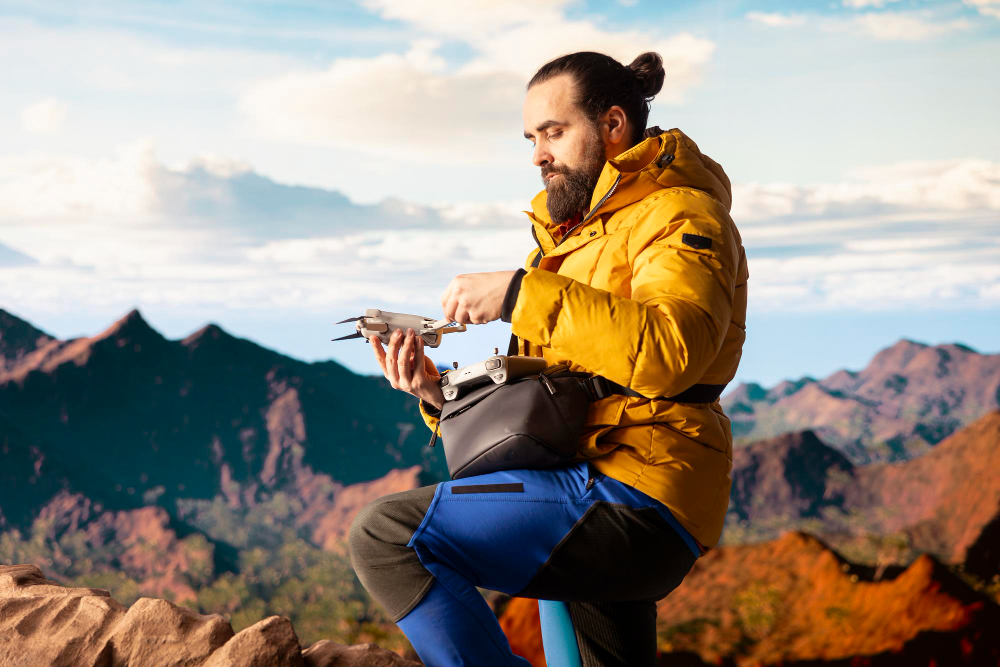
I still remember the exact moment I fell in love with solo adventure travel.
It was 2019, and I was standing alone on the edge of a 50-meter (164-ft) platform in Queenstown, New Zealand, staring down at the Kawarau River. My knees were shaking, the bungy cord felt heavier than my backpack, and every rational voice in my head screamed “turn around.” But I jumped. The free-fall lasted 8.5 seconds—long enough to question every life choice I’d ever made—and when the rebound finally slowed, I was laughing (or crying, hard to tell) like a maniac. That jump wasn’t just an adrenaline rush; it was proof that I could handle big, scary things completely on my own.
Since then, I’ve chased safe(ish) thrills in more than 35 countries—always solo—and I’ve learned that adventure doesn’t have to mean recklessness. The sweetest spots are the ones where your heart races but your risk stays low. This monster guide is everything I wish someone had handed me before my first solo leap: the best adventure activities that are genuinely safe for lone wolves, how to vet them, where to do them, and the little tricks that keep solo travelers coming home with only stories (not scars).
Let’s dive in.
Why Solo Adventure Travel Is Booming (And Why Safety Actually Got Better)
Solo travel has exploded—according to American Express Travel’s 2024 report, 69% of travelers plan to take a solo trip in the next year, and adventure is the top motivator. The cool part? The industry finally noticed. Operators now design trips specifically for solo travelers with safety baked in: smaller group sizes, female guides on request, 24/7 emergency lines, and insurance tie-ups.
The U.S. State Department and Global Rescue data show that serious incidents on organized adventure trips have dropped 40% in the last decade, largely because operators are held to higher standards than ever. Moral of the story: if you pick reputable companies, going alone doesn’t mean going unprotected.
The Golden Rule: “Safe Adventure” = Managed Risk, Not Zero Risk
Adventure will always carry some risk—that’s the point. Safe adventure just means the risk is calculated, transparent, and way lower than your brain imagines at 3 a.m. the night before.
Look for operators certified by bodies like:
- Adventure Travel Trade Association (ATTA)
- International Organization for Standardization (ISO 21101)
- Local tourism boards with strict licensing (New Zealand and Costa Rica are gold standards)
If they can’t show you certifications or recent safety audits, walk away.
Top 10 Safe Adventure Activities for Solo Travelers (Tested & Loved)
1. Sea Kayaking in Calm Bays & Fjords
Why it’s solo-friendly: You’re in your own kayak, but usually part of a guided pod with radio contact.
Best spots: Abel Tasman National Park (New Zealand), Ha Long Bay (Vietnam – daytime only), Milford Sound (New Zealand), or the Inside Passage (Alaska).
Solo perk: Many companies now offer single kayaks instead of forcing tandems.
Safety note: Stick to Level 1–2 waters (flat or mild chop). Operators like REI Adventures and G Adventures run women-only and solo departures.
2. Via Ferrata (“Iron Paths”) in the Alps or Dolomites
Picture rock climbing with a permanent steel cable you’re clipped into the entire time. If you fall, you dangle—nothing worse.
Best beginner routes: Telluride Via Ferrata (Colorado), Mürren-Gimmelwald (Switzerland), or Monte Thysvilen (Italy).
Solo reality: Guides outnumber clients 1:6 or better, and you’re literally attached to the mountain. I did Mürren alone on a random Tuesday and had the route practically to myself.
3. Zipline Canopy Tours
Yes, everyone does them, but hear me out—they’re stupidly safe. Modern systems use two independent cables and auto-belay lockers.
Standouts with stellar safety records:
- Arenal Volcano (Costa Rica) – Sky Adventures
- Cape Tribulation (Australia) – Jungle Surfing Canopy Tours (they invented the human eddy brake)
- Flight of the Gibbon (Chiang Mai, Thailand) – now rebranded as Flight of the Angel
4. Whitewater Rafting (Class II–III Only)
Skip Class V unless you already have a death wish. Class II–III gives you splashy fun with almost zero flip risk on commercial trips.
Solo bonus: You’re on a raft with 6–8 people plus a guide who steers. Instant friends, zero navigation stress.
Top safe rivers: Lower Gauley (West Virginia, USA), Noce River (Italy), Pacuare (Costa Rica – Class III sections only).
5. Guided Glacier Trekking
Walking on ice sounds insane until you realize you’re wearing crampons, roped to a guide, and the route is scouted daily.
My favorite: Fox Glacier or Franz Josef (New Zealand), Sólheimajökull (Iceland), or Matanuska (Alaska).
Solo fact: These trips cap at 8–12 people per guide. You’re never actually alone on the ice.
6. Scuba Diving (With PADI or SSI Shops Only)
Solo travelers are common in dive culture. You get paired with a buddy or dive master if you show up alone.
Safest beginner destinations: Great Barrier Reef (Australia), Cozumel (Mexico), or Bonaire (Dutch Caribbean).
Pro tip: Book liveaboard trips marketed as “solo-friendly”—many waive or slash the single supplement.
7. Hot-Air Ballooning at Dawn
Zero skill required, 100% serene (until the champagne at the end).
Best safe operators: Cappadocia (Turkey), Serengeti (Tanzania), Bagan (Myanmar), or Albuquerque Balloon Fiesta (USA).
Solo vibe: Baskets hold 16–28 people, so you’ll chat with strangers while floating silently over temples or wildebeest.
8. Horseback Riding on Established Trails
No galloping required. Most “adventure” rides are walking pace with wranglers who match horse temperament to rider experience.
Standouts: Icelandic horse tours (they’re tiny and bombproof), Patagonia (Argentina/Chile), or the Golden Circle (Mongolia).
9. Caving with Commercial Tour Companies
Think massive, well-lit caves with handrails and helmets—zero spelunking required.
Top picks: Waitomo Glowworm Caves (New Zealand), Carlsbad Caverns guided adventure tours (USA), or Jenolan Caves (Australia).
10. Paragliding Tandem (With 1,000+ Flight Pilots)
Tandem means you’re strapped to a licensed professional who does literally everything. You just run a few steps.
Safest spots: Interlaken (Switzerland), Oludeniz (Turkey), Pokhara (Nepal), or Chamonix (France).
Comparison Table: Which Adventure Gives the Best Bang for Your Solo Buck?
| Activity | Adrenaline Level | Physical Fitness Needed | Solo-Friendliness | Average Cost (USD) | Safety Rating (1–10) | Best Season |
|---|---|---|---|---|---|---|
| Sea Kayaking | Low–Medium | Low–Medium | ★★★★★ | $80–150 | 9.5 | Year-round |
| Via Ferrata | Medium–High | Medium | ★★★★★ | $120–250 | 9.8 | Jun–Oct |
| Zipline Canopy | Medium | Low | ★★★★ | $70–140 | 9.7 | Year-round |
| Class III Rafting | Medium–High | Low–Medium | ★★★★★ | $90–180 | 9.2 | Apr–Oct |
| Glacier Trekking | Medium | Medium–High | ★★★★ | $150–300 | 9.6 | Varies by location |
| Scuba Diving | Low–Medium | Low (with training) | ★★★★★ | $100–450 | 9.4 | Year-round |
| Hot-Air Balloon | Low | None | ★★★★ | $200–400 | 9.9 | Year-round |
| Tandem Paragliding | High | None | ★★★★★ | $150–250 | 9.5 | Mar–Nov |
Red Flags: How to Spot Sketchy Operators in 30 Seconds
- No website or reviews newer than 2018
- Cash-only payment demanded upfront
- “No refund if weather is bad” (legit companies reschedule)
- Guides who smell like last night’s rakija at 8 a.m.
- Equipment older than your little brother
Trust your gut. I once noped out of a paragliding outfit in Colombia because the harness looked like it was sewn by someone’s abuela in 1997. Best decision ever.
Practical Solo Safety Toolkit (The Stuff Nobody Puts in Brochures)
- Share your exact itinerary + operator details with someone back home (I use the “Find My” app + a Google Doc).
- Carry a Garmin inReach Mini or similar satellite communicator if you’re going remote.
- Book activities through platforms like GetYourGuide or Viator—they vet operators and offer 24-hour cancellation.
- Buy travel insurance that explicitly covers your activity (World Nomads and Allianz are solid).
- Learn the universal distress signal (three blasts on a whistle, three flashes of light).
The Mental Side: Conquering Solo Fear When Everyone Else Has a Buddy
Here’s the secret nobody admits: 90% of solo adventure nerves come from feeling judged, not from actual danger. The fix? Arrive early, chat with the guide, and suddenly you’re “the cool solo traveler” instead of “the lonely one.” I promise the staff will adopt you.
FAQ – Your Solo Adventure Questions, Answered
Q: Is it weird to show up alone for group adventure activities?
A: Not even a little. Solo travelers now make up 30–50% of many tours, especially post-pandemic. Guides love us—we tip well and don’t argue with our partners.
Q: Are there adventures I should completely avoid solo?
A: Solo free-solo climbing, solo open-ocean swimming, and solo Class V+ rafting top the “don’t be that person” list. Everything else is fair game with a guide.
Q: As a woman traveling alone, which destinations feel safest for adventure?
A: New Zealand, Iceland, Costa Rica, Japan, and Slovenia consistently rank at the top of both the Global Peace Index and my personal “I felt zero sketchiness” list.
Q: Can I get discounts as a solo traveler?
A: Yes! Many operators (especially liveaboards and small-group tours) now waive or reduce single supplements for solos. Always ask.
Q: What if I get injured abroad alone?
A: This is why travel insurance with emergency evacuation is non-negotiable. I’ve seen Global Rescue airlift people within hours—worth every penny.
Final Thoughts: The Real Reason Solo Adventure Is Worth It
When you jump, paddle, or fly completely on your own, something shifts. You stop waiting for the “right” travel buddy, the perfect partner, or the magical time when life is less busy. You prove—to yourself more than anyone—that you are enough.
The thrills are great, but the quiet confidence that comes afterward? That’s the real souvenir that never gets lost in an airport.
So book the trip. Pick one activity from this list (or all ten). Send the itinerary to your mom so she stops worrying. And when you’re standing on that platform, kayak in hand, or strapped to a stranger who’s about to throw you off a mountain—remember that the scariest part is almost always the moment just before you say yes.
You’ve got this. The world is enormous, surprisingly kind to solo adventurers, and waiting for your footprints.
Now go make some stories.
Safe travels,
Your fellow solo thrill-chaser
P.S. If you try any of these and end up screaming/laughing/crying in the best way, tag me—I want pictures.