

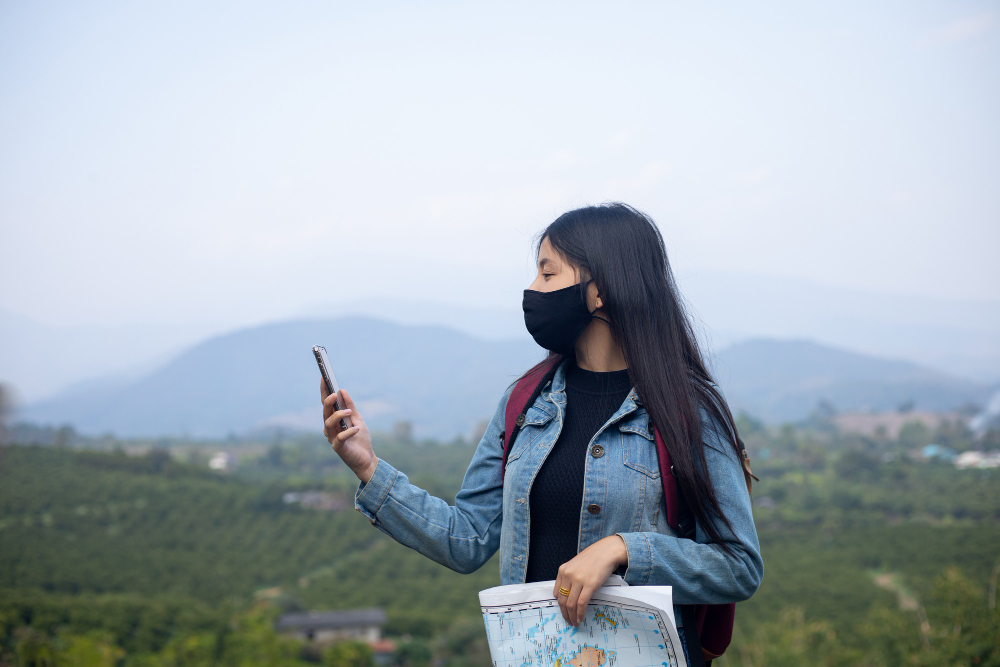
Long-distance travel has a way of reshaping us. Whether you’re crossing continents by air, drifting between countries on overnight buses, or watching the world roll by from the window of a slow train, every journey teaches you something new. And those lessons rarely fade. They show up again in how you pack, how you interact with strangers, how you plan your life, and even how you handle uncertainty.
In this guide, I’m sharing the most profound lessons learned from years of long-distance journeys—stories collected from backpacking routes, research trips, and slow travel experiences. These insights are practical yet deeply personal, grounded in lived experience and supported by trusted travel knowledge sources like international travel safety guidelines, global health advice, sustainable travel frameworks, and cultural research institutions.
If you’re preparing for your first big adventure or you already feel at home on the road, these lessons will help you travel smarter, safer, and more meaningfully.
The First Lesson: Distance Teaches You to Slow Down
There’s something about watching hours of landscape shift outside a train window that rewires your expectations. Long-distance travel makes you realize that speed is rarely the point.
On my first 10-hour cross-country train ride, I remember fidgeting, constantly checking arrival times, anxious to “get there.” But somewhere between mile markers and passing villages, the journey became the destination. I settled into the rhythm—reading, sipping tea, observing strangers.
Travel experts at publications like Lonely Planet often highlight how slow travel improves cultural immersion, reduces stress, and supports sustainable tourism. And it’s true: long distances force you to embrace slowness. They give you space to reflect, enjoy quiet moments, and simply be.
What this lesson teaches you:
- Patience is a skill that grows with miles.
- Moments of stillness can be just as rewarding as major attractions.
- You don’t need to fill every minute; sometimes the pause is the purpose.
Lesson Two: Planning Helps, But Flexibility Saves You
A 20-hour bus ride through South America once taught me more about flexibility than any self-help book ever could. My neat itinerary fell apart when the bus broke down in a desert town with no cell coverage. At first, panic. Then… acceptance. Two hours later, a replacement vehicle arrived, and passengers bonded over shared uncertainty.
Authoritative travel resources such as CDC travel health guidance and major travel advisories often stress the importance of preparation—vaccinations, documentation, emergency contacts. But experience teaches that rigid expectations often lead to disappointment. True travel wisdom lies in balancing structure with adaptability.
Key takeaways:
- Expect delays and treat them as part of the adventure.
- Carry essential backups (offline maps, copies of IDs, extra snacks).
- When things go wrong, staying calm helps you think clearly.
Lesson Three: Strangers Are Not Always Strange
Some of the most meaningful long-distance travel lessons come from the people you meet along the way—seatmates, hostel roommates, elderly guides, families offering tea. Kindness shows up everywhere if you stay open to it.
Research from cultural institutions like UNESCO emphasizes how cross-cultural interaction breaks stereotypes and builds empathy. A conversation with a local farmer on a long bus ride once reframed my understanding of hospitality. In another country, a grandmother shared her food with me simply because she noticed I was traveling alone.
What you learn from people:
- Human connection transcends language.
- Listening is often more powerful than speaking.
- Learning small cultural greetings goes a long way.
Lesson Four: Minimalism Is Not a Trend—It’s a Travel Survival Skill
You don’t understand the meaning of “too much luggage” until you’ve sprinted across a train platform with a 20-kg backpack slipping off your shoulders.
It wasn’t until my third long-distance journey that I finally embraced minimalism. Inspired by packing guides from REI’s travel resources and other expert sites, I learned to evaluate each item by asking: Will this make my trip easier? If the answer wasn’t a clear yes, it stayed home.
Minimalism teaches you:
- Lighter bags = lighter mind.
- Versatile clothing beats fashionable clothing.
- Comfortable shoes matter more than you think.
Lesson Five: The World Feels Big Until You Start Talking to People
When you travel long distances, you slowly realize that the world is both enormous and intimately connected. The more miles you cover, the more patterns you start to notice—shared values, familiar emotions, universal routines.
Aggregated travel data from World Tourism Organization indicates that global travelers consistently report cultural similarities as a highlight of their trips. Even customs that seem different at first usually connect to shared human needs: safety, belonging, joy, family.
What this lesson teaches you:
- People everywhere want the same fundamentals.
- Cultural differences are invitations to learn, not obstacles.
- Curiosity leads to understanding.
Lesson Six: Nature’s Scale Puts Your Life Into Perspective
There is something humbling about staring out of a plane window at mountain ranges stretching endlessly or watching the sunrise after an overnight ferry crossing. Long-distance travel puts you in contact with environments that remind you how small you really are.
Scientific insights from sources like National Park Service educational materials highlight how nature immersion reduces stress and increases emotional well-being. For many travelers, these massive landscapes create moments of clarity that reshape priorities.
Why this matters:
- Big landscapes often spark personal breakthroughs.
- Natural beauty reminds you to slow down and appreciate simplicity.
- Disconnecting from screens reconnects you to perspective.
Lesson Seven: Food Is a Universal Language—and a Memory Keeper
Squeezing into train seats while balancing a cup of noodles, sharing fruit with fellow passengers, discovering local snacks at bus stops—long-distance travel is full of memorable food moments.
Culinary research from BBC Travel and similar outlets shows how food traditions reflect history, climate, migration, and identity. Even the simplest roadside dish becomes a portal into a region’s soul.
What food teaches you on the road:
- Taste is tied to memory; you’ll remember meals years later.
- Trying local dishes builds cultural respect.
- Street food is often the most authentic, affordable, and memorable option.
Comparison Table: Key Lessons From Long-Distance Travel
A Quick Visual Guide to What Travel Teaches Us
| Lesson Learned | What It Really Means | Real-Life Impact | When You Notice It Most |
|---|---|---|---|
| Slow Down | The journey matters as much as the destination | Less stress, more joy | On trains, buses, ferries |
| Be Flexible | Plans change, and that’s okay | Better problem-solving | During delays or detours |
| Trust People | Strangers can become helpers or friends | Stronger connections | When sharing seats or meals |
| Travel Light | Minimalism increases mobility | Easier transitions | Switching transport modes |
| The World Connects Us | Differences are beautiful, similarities unite | More empathy | Talking to locals |
| Nature Reframes Life | Big landscapes shift perspective | Emotional clarity | On mountain flights, ferries |
| Food Tells Stories | Meals help you understand culture | Deeper immersion | Roadside stops, local markets |
Lesson Eight: Comfort Zones Don’t Move Unless You Do
Your first multi-day journey might feel intimidating. But the moment you complete it, you realize your threshold for discomfort has expanded. What once felt overwhelming becomes manageable.
Psychologists at American Psychological Association explain that exposure to new environments builds resilience and adaptability. Travel puts these theories into practice effortlessly.
Takeaways:
- Growth happens when you lean into uncertainty.
- New challenges build confidence.
- Discomfort is temporary; lessons are lasting.
Lesson Nine: Preparation Creates Freedom
While long-distance travel teaches flexibility, it also reinforces the value of thorough preparation. Every traveler has a story about a time when the right planning prevented a problem.
Learning from sources such as Red Cross emergency readiness tips helped me pack a better first-aid kit, organize travel insurance, and understand regional risks. Preparation doesn’t limit spontaneity—it supports it.
This lesson reminds you:
- Good planning gives you peace of mind.
- Insurance, documentation, and health precautions matter.
- Prepared travelers move more confidently.
Lesson Ten: Gratitude Grows With Every Mile
After countless hours spent in transit, gratitude becomes second nature. You appreciate small conveniences—clean rest stops, friendly smiles, timely departures. You value your home more deeply, but you also feel grateful for the vastness beyond it.
Long-distance travel builds a quieter, steadier kind of thankfulness—one grounded in lived moments rather than forced positivity.
This final lesson teaches you:
- Gratitude isn’t abstract; it’s felt through real experiences.
- Travel expands your sense of appreciation.
- The more you see, the more you value what matters most.
Frequently Asked Questions (FAQ)
1. Is long-distance travel safe for solo travelers?
Yes—especially when you follow trusted travel safety guidelines and stay aware of your surroundings. Millions of solo travelers commute long distances each year without issues.
2. How can I prepare for long-distance travel without overpacking?
Focus on essentials, choose versatile clothing, bring compact toiletries, and reference expert packing checklists from reputable travel organizations.
3. What foods are safest to try during long journeys?
Freshly cooked local dishes, packaged snacks, and foods from busy vendors are usually safe. Staying hydrated and carrying a reusable water bottle helps, too.
4. How do I manage delays during long-distance travel?
Keep backups: offline maps, entertainment, snacks, and a flexible mindset. Delays are common—and often lead to unexpected discoveries.
5. Does long-distance travel help reduce stress?
Yes. Studies referenced by wellness and environmental agencies show that exposure to nature and changing environments can lower stress and improve mood.
6. What is the biggest lesson travelers usually learn?
Most report that long-distance travel teaches patience, adaptability, and a deeper understanding of the world.
Conclusion: The Journey Matters Far More Than the Miles
Long-distance travel is more than moving across physical space—it’s a transformative experience that reshapes your perspective, habits, priorities, and understanding of humanity. Every train compartment, ferry deck, airport terminal, and dusty roadside teaches something new. You learn patience from delays, gratitude from small comforts, resilience from unexpected challenges, and empathy from people you meet along the way.
These lessons stay with you. They show up the next time you pack a bag, solve a problem, meet a stranger, or decide whether to take a risk. And over time, you realize that long-distance travel doesn’t just teach you how to navigate the world—it teaches you how to navigate life.
If you’re preparing for your next journey, take these insights with you. Use them as a compass, not a script. And remember: every mile has a lesson waiting—one that might change you long after the journey ends.