

Europe’s most famous landmarks continue to attract millions each year, yet a quieter transformation is taking place across the continent. Travelers in 2026 are increasingly looking beyond crowded capitals and iconic postcard spots, choosing instead to explore lesser-known towns, remote islands, and under-the-radar regions rich in culture and natural beauty.
This shift is not accidental. According to data and trend reports from the UN World Tourism Organization, travelers are actively seeking sustainable, authentic, and community-based experiences. At the same time, guidance from the European Travel Commission highlights the growing interest in secondary cities and rural destinations that offer immersive cultural encounters without overtourism.
The following guide explores hidden travel destinations in Europe for 2026 that combine history, scenery, affordability, and cultural depth—while remaining refreshingly uncrowded.
🇸🇮 Kobarid, Slovenia – Alpine Drama Without the Alpine Crowds

Tucked into the Julian Alps near the Italian border, Kobarid offers a compelling alternative to more famous alpine destinations. Known for the emerald-green Soča River and dramatic mountain landscapes, this small Slovenian town balances outdoor adventure with historical depth.
The region is particularly notable for its World War I history, documented at the award-winning Kobarid Museum, recognized internationally for its educational value. Cultural heritage preservation across Europe has been supported through initiatives outlined by UNESCO World Heritage Centre, and while Kobarid itself is not a World Heritage Site, its approach to historical interpretation reflects broader European conservation standards.
Why visit in 2026?
- Exceptional hiking and rafting with minimal congestion
- Strong farm-to-table culinary identity
- Sustainable tourism initiatives supported by Slovenia’s national tourism strategy
Travelers seeking Alpine scenery without the premium prices of Switzerland or Austria will find Kobarid a compelling choice.
🇵🇹 Alentejo Coast, Portugal – Raw Atlantic Beauty

While Lisbon and Porto continue to thrive, Portugal’s Alentejo Coast remains comparatively untouched. Stretching south of Setúbal toward the Algarve, this region features dramatic Atlantic cliffs, quiet beaches, and whitewashed villages.
Portugal’s commitment to sustainable tourism is documented by the Portuguese Tourism Board, which actively promotes lesser-known coastal regions to balance visitor distribution. The Alentejo exemplifies this strategy, offering eco-certified accommodations and protected natural parks.
Highlights include:
- Praia da Amália, an isolated beach with crystal-clear water
- Vila Nova de Milfontes, a relaxed coastal town
- Local wine estates producing world-class vintages
Compared to the Algarve, prices remain moderate, especially outside peak summer months.
🇷🇴 Maramureș, Romania – Living Traditions in Eastern Europe

In northern Romania, Maramureș offers an authentic cultural landscape where centuries-old traditions remain part of daily life. Wooden churches, many recognized by UNESCO, showcase intricate craftsmanship and enduring faith.
This region appeals to travelers interested in:
- Folk architecture and handmade textiles
- Agricultural lifestyles largely unchanged by modernization
- Affordable rural guesthouses
Eastern Europe continues to attract attention due to favorable exchange rates and lower travel costs. According to economic mobility data from the World Bank, tourism has become a growing contributor to regional development, encouraging improved infrastructure while maintaining cultural identity.
Maramureș stands out as a destination where tradition is not staged—it is lived.
🇫🇷 Occitanie, France – The France Beyond Paris and Provence
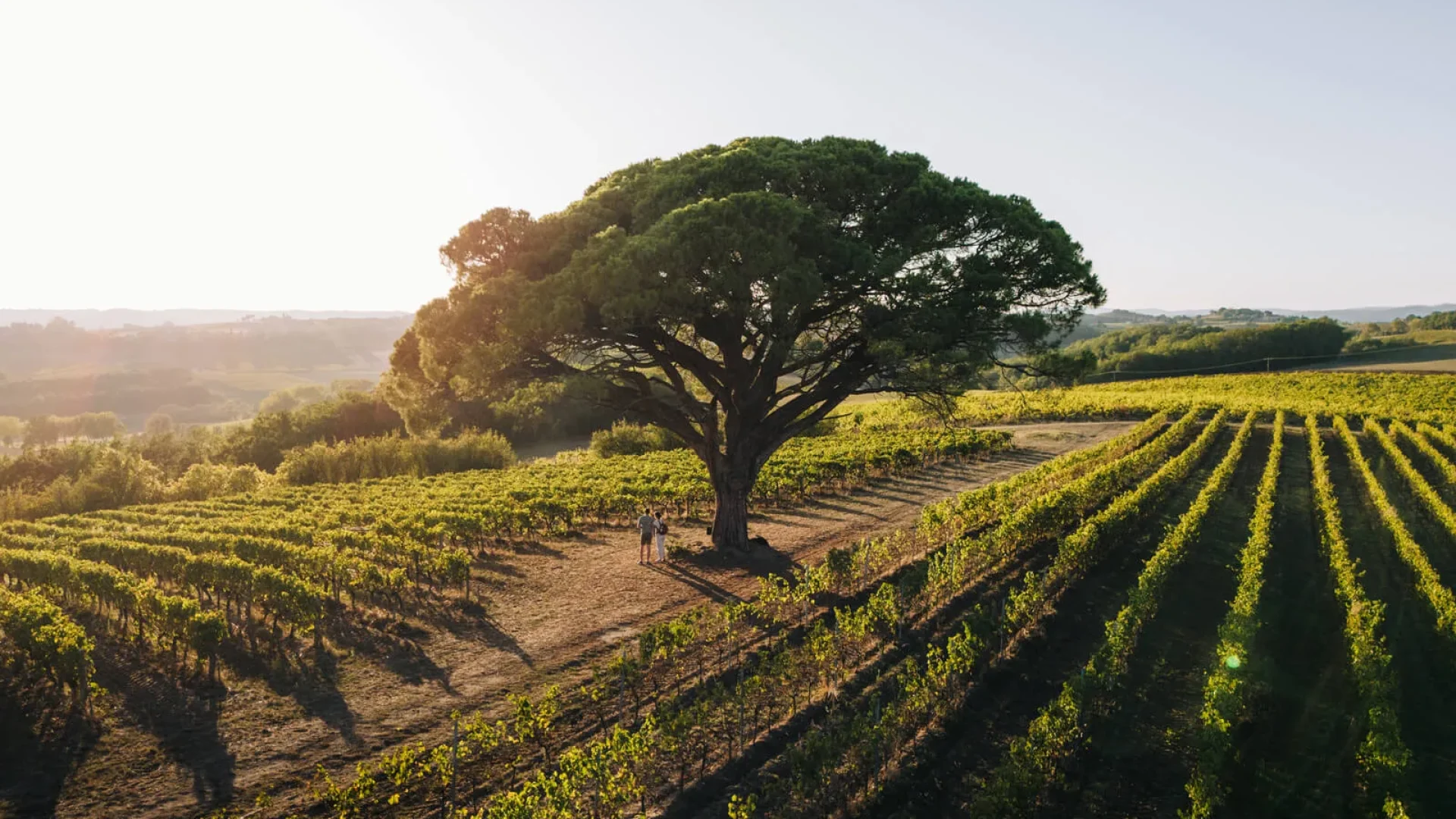

Occitanie in southern France combines Roman heritage, medieval fortresses, and Mediterranean climate without the intensity of the Riviera.
Carcassonne’s fortified citadel, vineyards stretching across rolling hills, and engineering marvels like the Pont du Gard aqueduct make this region remarkably diverse. Cultural preservation across France is overseen by institutions such as the French Ministry of Culture, ensuring historic monuments remain accessible and protected.
Advantages in 2026:
- Improved rail connections to Toulouse
- Lower accommodation costs compared to Nice
- Expansive wine tourism opportunities
For travelers interested in food, architecture, and history, Occitanie delivers depth without inflated pricing.
🇦🇱 The Albanian Riviera – Mediterranean’s Emerging Star

Albania’s coastline has gained international attention, yet it remains far less developed than neighboring Greece. The Albanian Riviera offers turquoise water, mountainous backdrops, and family-run guesthouses.
Tourism growth in Albania has accelerated, supported by infrastructure initiatives and increased air connectivity. According to aviation data shared by the International Air Transport Association (IATA), new European flight routes in recent years have expanded accessibility to previously overlooked regions.
Why consider Albania in 2026?
- Competitive pricing for accommodations and dining
- Expanding boutique hotel scene
- Rich cultural heritage influenced by Ottoman, Greek, and Roman history
Travelers seeking Mediterranean charm without Mediterranean crowds will find this coastline compelling.
🇮🇸 Westfjords, Iceland – Isolation Redefined

Iceland’s Golden Circle remains heavily visited, yet the Westfjords continue to offer near-total solitude. This remote peninsula is characterized by towering sea cliffs, cascading waterfalls, and dramatic fjords.
Environmental stewardship is central to Iceland’s tourism model. The Icelandic Tourist Board promotes responsible travel practices, particularly in fragile ecosystems like the Westfjords.
Key features:
- Dynjandi waterfall
- Remote coastal drives
- Birdwatching and Arctic fox sightings
The Westfjords require more planning due to limited services, but the reward is unmatched serenity.
Comparison Table: Europe’s Hidden Gems at a Glance
| Destination | Best For | Average Budget Level | Peak Season | Crowd Level | Accessibility |
|---|---|---|---|---|---|
| Kobarid, Slovenia | Hiking & History | Moderate | Summer | Low | Easy by car |
| Alentejo, Portugal | Coastal Relaxation & Wine | Moderate | Summer | Low-Medium | Moderate |
| Maramureș, Romania | Cultural Immersion | Budget-Friendly | Spring/Fall | Very Low | Moderate |
| Occitanie, France | Heritage & Gastronomy | Moderate-High | Summer | Medium | Excellent Rail |
| Albanian Riviera | Beach & Emerging Tourism | Budget-Friendly | Summer | Low | Improving |
| Westfjords, Iceland | Wilderness & Nature | Higher | Summer | Very Low | Remote Access |
Why Hidden Destinations Matter in 2026
European cities like Barcelona and Venice continue implementing visitor caps and sustainability measures, reflecting broader efforts across the continent to address overtourism. Policy recommendations published by the Organisation for Economic Co-operation and Development (OECD) emphasize dispersing tourism flows to secondary regions.
Exploring lesser-known destinations:
- Supports local economies
- Reduces environmental strain
- Offers deeper cultural experiences
- Provides better value for money
Travel trends indicate that meaningful travel is becoming more important than checklist tourism.
Practical Tips for Visiting Europe’s Hidden Gems
1. Travel Off-Peak
Spring and autumn provide mild weather and lower prices.
2. Use Regional Transport
European rail networks continue expanding. Reliable schedules and booking tools can be found via the European Union transport portal.
3. Choose Locally-Owned Stays
Small guesthouses contribute directly to local communities.
4. Respect Cultural Norms
Many rural destinations maintain strong traditions. Researching etiquette enhances the experience.
5. Plan Ahead for Remote Areas
Regions like the Westfjords require advance fuel, accommodation, and weather planning.
Frequently Asked Questions
Are hidden destinations in Europe safe for travelers?
Yes. Most regions listed maintain strong safety records. European countries consistently rank highly in global safety indexes published by reputable organizations such as the World Economic Forum.
Are these destinations budget-friendly?
Eastern Europe and Albania offer particularly strong value. France and Iceland may be moderately higher in cost but remain affordable compared to their more famous counterparts.
Do these places have good infrastructure?
Infrastructure is steadily improving across secondary destinations. Rail and road connectivity have expanded significantly in recent years.
Is English widely spoken?
In tourist areas and among younger generations, English proficiency is generally strong, especially in Portugal, Slovenia, and Iceland.
When is the best time to visit?
Late spring (May–June) and early autumn (September–October) offer ideal weather with minimal crowds.
Conclusion: The Future of European Travel Lies Beyond the Obvious
Europe’s hidden destinations in 2026 reflect a broader evolution in travel priorities. Rather than competing for space at overcrowded landmarks, many travelers are choosing regions defined by authenticity, sustainability, and cultural depth.
From the emerald waters of Slovenia’s Soča Valley to the living traditions of Romania’s countryside, these places demonstrate that Europe’s richness extends far beyond its famous capitals. The Alentejo Coast offers Atlantic drama without congestion. Occitanie delivers French heritage without Riviera prices. The Albanian Riviera balances affordability with Mediterranean beauty. Iceland’s Westfjords provide solitude in one of the world’s most dramatic landscapes.
As tourism policies across Europe continue emphasizing sustainability and regional balance, lesser-known destinations will likely become central to the continent’s travel future. Exploring these areas not only rewards travelers with unique experiences but also supports local communities and preserves cultural heritage.
In 2026, the most memorable European journeys may not be found in the guidebook’s first chapter—but in the quiet corners waiting to be discovered.