

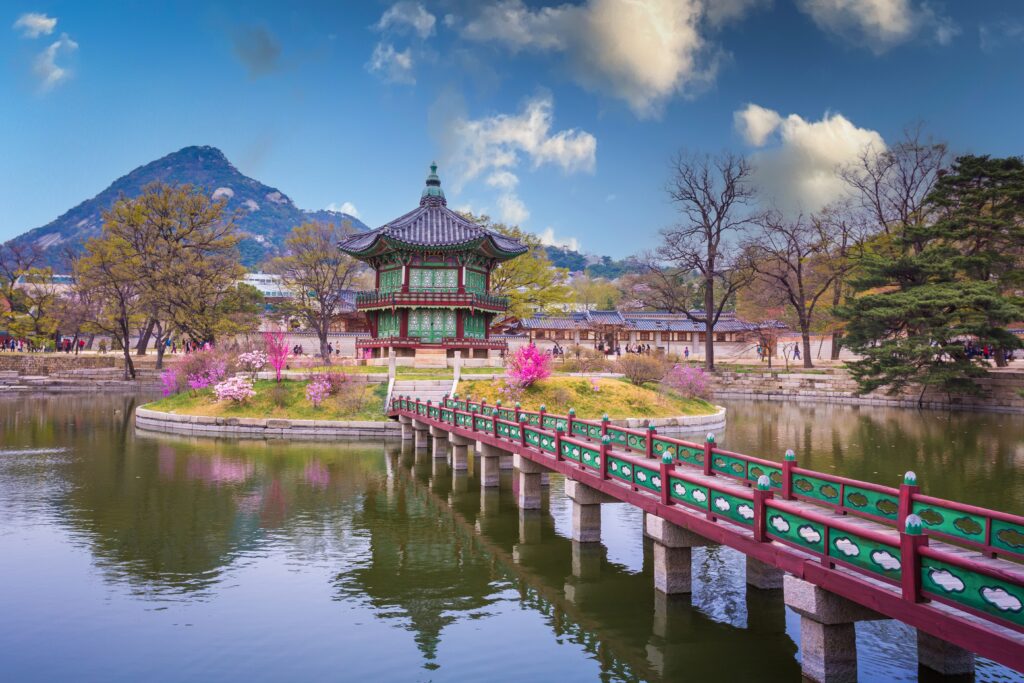
Cultural cities are living museums. They breathe through their markets, echo through their historic streets, and express themselves in architecture, cuisine, art, and daily rituals. For first-time visitors, stepping into a culturally rich city can feel overwhelming in the best possible way. There are layers of history to understand, traditions to respect, and experiences to savor beyond the typical tourist checklist.
This comprehensive guide explores how to prepare, navigate, and truly engage with a cultural city—whether that city is Rome, Kyoto, Istanbul, Marrakech, or Mexico City. Instead of rushing from landmark to landmark, this guide helps you approach cultural travel with depth, awareness, and confidence.
Understanding What Makes a Cultural City Unique
A cultural city is not simply a destination with historic buildings. It is a place where heritage, traditions, art, language, and community life remain visible and active. Cities such as Rome are shaped by millennia of history, documented and preserved through institutions like the UNESCO World Heritage Centre, which highlights sites of outstanding cultural significance around the globe.
Cultural cities often share several defining characteristics:
- A preserved historic core
- Active religious or spiritual traditions
- Distinct architecture reflecting different eras
- Museums and galleries housing regional or national treasures
- Vibrant food culture rooted in history
- Festivals and rituals tied to identity
Understanding this broader context changes how visitors experience the destination. Rather than viewing monuments as isolated attractions, they become part of a larger narrative shaped by politics, migration, art movements, and trade.
Research Before You Go: Building Context
Preparation transforms a trip from sightseeing into meaningful engagement. Reading about the city’s historical evolution, social customs, and modern dynamics allows visitors to navigate respectfully and confidently.
Official tourism boards such as Visit Rome or Japan National Tourism Organization provide reliable insights into cultural highlights and etiquette. Meanwhile, organizations like the Smithsonian Institution offer educational resources on global cultures that deepen understanding before arrival.
Key areas to research include:
- Historical timeline and major turning points
- Cultural etiquette and social norms
- Dress expectations at religious sites
- Local transportation systems
- Public holidays and festivals
Context creates clarity. When visiting Kyoto’s temples or Istanbul’s mosques, for example, knowing the spiritual importance behind rituals encourages more mindful participation.
Choosing the Right Cultural City for Your First Experience
Not all cultural cities offer the same level of accessibility for first-time travelers. Some cities are compact and easy to navigate, while others require more logistical planning.
Factors to Consider
- Language barriers
- Public transportation quality
- Safety and infrastructure
- Accessibility for mobility needs
- Density of cultural sites
According to global safety data from the World Travel & Tourism Council, cities with well-developed tourism infrastructure often provide smoother experiences for newcomers.
For a first cultural city experience, destinations with strong public transport networks and clear signage—such as Tokyo, Paris, or Barcelona—can reduce stress while still offering deep cultural immersion.
Cultural Etiquette: Respecting Local Norms
Cultural sensitivity is one of the most important aspects of responsible travel. Misunderstandings often occur not because of bad intentions, but because visitors are unaware of local expectations.
Guidance from organizations like the United Nations World Tourism Organization emphasizes responsible travel practices that respect local communities and traditions.
Common Etiquette Considerations
- Dress modestly in religious or conservative areas
- Ask permission before photographing people
- Learn basic greetings in the local language
- Follow rules regarding shoes in homes or sacred sites
- Observe quiet conduct in museums and worship spaces
In cities like Marrakech or Varanasi, daily life and spirituality are deeply intertwined. Observing respectfully rather than intruding ensures a positive interaction between visitor and host culture.
Exploring Historic Districts: Walking Through Living History
The heart of any cultural city lies in its historic neighborhoods. These areas often preserve architecture and street layouts from centuries past.
The International Council on Monuments and Sites (ICOMOS) documents how historic districts are conserved worldwide, emphasizing their role as living environments rather than static displays.
What to Look For
- Architectural transitions between eras
- Local artisan shops
- Traditional markets
- Courtyards and hidden passageways
- Community gathering spaces
Rather than rushing through landmarks, allow time to observe daily rhythms—morning markets, evening strolls, street musicians. These details reveal more about culture than major monuments alone.
Museums and Cultural Institutions: Curated Insight
Museums provide structured narratives that help visitors understand context and chronology. Major institutions like the Louvre Museum or the British Museum demonstrate how collections can illuminate entire civilizations.
How to Visit Strategically
- Prioritize sections relevant to local history
- Consider guided tours for deeper interpretation
- Avoid peak hours for a more reflective experience
- Read exhibit descriptions rather than skipping labels
Smaller regional museums often provide equally valuable insights into local crafts, indigenous cultures, or political history.
Food as Cultural Expression
Cuisine is one of the most accessible entry points into understanding a city’s identity. Culinary traditions often reflect geography, trade routes, colonization, migration, and religion.
The Food and Agriculture Organization of the United Nations explains how local ingredients and agricultural practices shape regional diets and food heritage.
Practical Tips for Culinary Exploration
- Visit local markets early in the day
- Choose family-run establishments
- Learn the cultural meaning of traditional dishes
- Try seasonal specialties
- Respect dining customs
Street food, when chosen carefully, often reveals authentic flavors rooted in community life.
Festivals and Public Celebrations
Cultural cities often host annual festivals that express identity and collective memory. Events such as Mexico’s Day of the Dead or India’s Diwali are more than spectacles; they represent deep spiritual and social traditions.
Information from local government websites or reputable cultural organizations helps visitors understand proper participation and timing.
How to Engage Respectfully
- Observe first before participating
- Follow photography guidelines
- Dress appropriately
- Avoid obstructing ceremonies
Festivals provide insight into how culture continues to evolve rather than remaining fixed in history.
Transportation and Navigation
Efficient movement within a cultural city enhances the overall experience. Public transportation systems often reflect urban planning priorities and historical development.
According to urban mobility research from the Organisation for Economic Co-operation and Development (OECD), cities with integrated public transport systems encourage sustainable tourism practices.
Transportation Options
- Metro systems in large capitals
- Trams in historic European centers
- Walking tours in compact districts
- Bicycle rentals in pedestrian-friendly cities
Understanding peak hours and purchasing transit passes in advance saves time and reduces stress.
Accommodation: Staying Within Cultural Context
Where visitors stay influences how deeply they experience the city. Lodging in historic neighborhoods offers proximity to major landmarks but may involve higher costs or smaller rooms due to preserved architecture.
Platforms such as official tourism board accommodation listings or internationally recognized hotel associations provide reliable standards.
Choosing the Right Area
- Central historic district for walkability
- Residential neighborhoods for local immersion
- Areas near major transit hubs
- Districts known for art or culinary scenes
Balancing comfort with cultural proximity enhances both convenience and authenticity.
Safety and Practical Awareness
While most cultural cities are welcoming, situational awareness remains essential. Government travel advisories and local authorities provide up-to-date information on safety.
Practical Safety Tips
- Keep valuables secure
- Avoid displaying expensive items
- Be cautious in crowded markets
- Use licensed transportation services
- Keep digital copies of important documents
Preparedness supports a smoother and more confident travel experience.
Comparison Table: Cultural City Experience Essentials
| Aspect | Historic European City | East Asian Cultural City | Middle Eastern Cultural City | Latin American Cultural City |
|---|---|---|---|---|
| Architecture | Gothic, Renaissance, Baroque | Temples, wooden structures | Mosques, riads, courtyards | Colonial, indigenous blends |
| Cultural Etiquette | Moderate formality | High emphasis on respect | Conservative dress norms | Social warmth, informal tone |
| Food Culture | Wine, bread, regional cheeses | Rice-based dishes, tea culture | Spices, shared platters | Street food, maize-based dishes |
| Transportation | Strong public transit | Highly efficient systems | Mix of taxis and walking | Metro + buses in major cities |
| Festival Atmosphere | Seasonal cultural events | Traditional ceremonies | Religious celebrations | Colorful public festivals |
This comparison highlights how expectations and preparation may vary depending on the region.
Responsible Tourism and Sustainability
Cultural cities often face challenges related to overtourism. UNESCO has documented how excessive tourism can impact heritage preservation and local communities.
Sustainable travel practices include:
- Supporting local businesses
- Avoiding exploitative experiences
- Reducing plastic waste
- Respecting noise levels in residential areas
- Visiting lesser-known neighborhoods
Responsible behavior ensures that cultural cities remain vibrant for future generations.
Frequently Asked Questions
What is the best time to visit a cultural city?
Shoulder seasons—spring and autumn—often provide balanced weather and fewer crowds. Local tourism boards publish climate and event calendars to guide planning.
How many days are ideal for a first visit?
Three to five days allow sufficient time to explore major landmarks, museums, and neighborhoods without rushing.
Is it necessary to learn the local language?
Fluency is not required, but learning basic greetings and polite phrases improves interactions and demonstrates respect.
How can visitors avoid tourist traps?
Research restaurant reviews carefully, avoid menus with aggressive street promotion, and seek recommendations from official tourism sources.
Are guided tours worth it?
Expert-guided tours can significantly enhance understanding of historical context and cultural symbolism, particularly in cities with complex histories.
Conclusion: Approaching Cultural Cities with Depth and Intention
A first visit to a cultural city offers more than sightseeing—it provides an opportunity to understand how history shapes identity and how tradition coexists with modern life. Meaningful travel begins with preparation, continues through respectful engagement, and deepens through observation and curiosity.
Exploring historic districts, visiting museums with intention, tasting traditional foods thoughtfully, and respecting local customs transforms a trip into a cultural education. Whether walking through the ruins of Rome, observing temple rituals in Kyoto, or navigating the markets of Marrakech, awareness and preparation enrich every moment.
Cultural cities reward travelers who slow down. They offer stories carved in stone, expressed through cuisine, and preserved in rituals passed down through generations. With thoughtful planning and responsible behavior, first-time visitors can move beyond surface impressions and experience the layered richness that defines the world’s most culturally significant destinations.
The journey does not end when the trip concludes. Cultural understanding continues through reading, learning, and reflecting on the connections between heritage and contemporary life. A well-prepared traveler returns home not only with photographs, but with a broader perspective on global history and shared human traditions.