

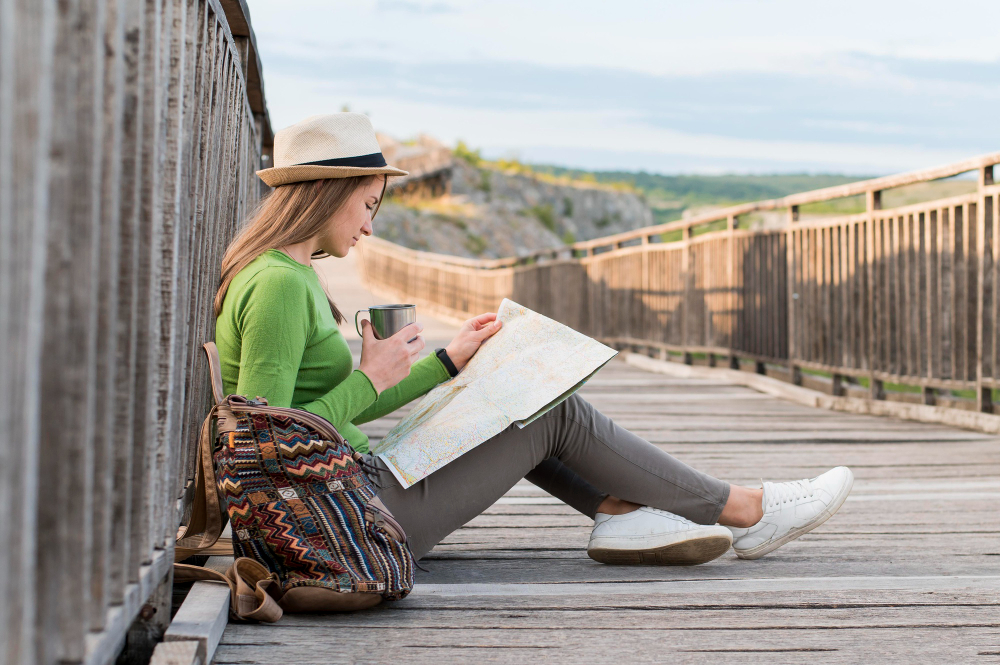
Entering the world of travel for the first time feels a bit like stepping into a story you’ve never read before—equal parts exciting, nerve-racking, and wonderfully unpredictable. Whether you’re planning a short weekend getaway or dreaming about circling the globe, having a solid understanding of how travel works removes the fear and amplifies the joy. This comprehensive beginner’s guide blends real-world insights, expert tips, practical advice, and plenty of inspiration to help you start your journey with confidence.
Along the way, you’ll find references to trusted resources such as the [World Tourism Organization], [CDC Travel Health], [Lonely Planet], [U.S. State Travel Advisory], and [Travel + Leisure], offering deeper learning and credible external support for essential sections.
What Makes Travel So Transformative for Beginners?
For first-time travelers, the transformation begins long before the flight takes off. Planning itself teaches patience, decision-making, and curiosity. According to insights from the [World Travel & Tourism Council], exploring new cultures builds resilience and shapes global awareness—something that seasoned travelers will tell you stays with you for life.
When I took my first solo trip, I remember the moment I stepped out of the airport. Everything felt unfamiliar—the language, the weather, the pace—but strangely, it felt right. That mixture of uncertainty and excitement is where the magic begins. And with proper preparation, you can experience that same magic without feeling overwhelmed.
How to Choose the Perfect Destination for Your First Trip
Choosing your first destination can be confusing, especially with thousands of possibilities. Guidance from sources like [National Geographic Travel] and [Lonely Planet] suggests starting with places that match three criteria: beginner-friendly, budget-friendly, and activity-friendly.
Ask Yourself These Questions Before Deciding
- What’s my budget?
- Do I want a city escape, nature, beaches, or culture?
- Am I comfortable with long flights?
- Do I want an English-friendly destination?
- What’s the weather like during my travel dates?
Great Beginner-Friendly Destinations
- Thailand (easy transport, great food, friendly locals)
- Portugal (walkable cities, stunning coastline, affordable)
- Malaysia (multicultural, safe, excellent public transport)
- Japan (organized systems, rich culture, extremely safe)
Resources like [Travel + Leisure] and [U.S. State Travel Advisory] offer reliable updates on safety, entry rules, and seasonal tips to help narrow down options.
Creating a Travel Budget: How Much Does a Beginner Really Need?
Budgeting is one of the biggest concerns for new travelers. Fortunately, tools from [Numbeo Cost of Living] and [OECD Tourism Statistics] help you estimate expenses ahead of time.
Key Expenses to Plan For
- Flights
- Accommodation
- Food
- Transportation
- Activities
- Travel Insurance
- Emergency Funds
A simple rule of thumb:
Save 20% more than your estimated expenses.
There are always hidden costs—taxes, tipping, transport surges, or a souvenir you didn’t expect.
How to Book Flights Like a Pro (Even If It’s Your First Time)
Flight booking doesn’t have to feel like decoding a puzzle. Beginner travelers often overspend because they book at the wrong time or choose the wrong routes. Using research from the [International Air Transport Association] and price trend analyses from [Skyscanner Insights] can help.
Pro Tips for Beginners
- Book flights 6–8 weeks in advance for the best rates.
- Travel midweek—Tuesdays and Wednesdays are cheaper.
- Be flexible with your dates if possible.
- Compare prices using multiple search engines.
- Check baggage rules carefully before booking.
Expert guides from [Travel + Leisure] offer detailed breakdowns on avoiding hidden airline fees.
Understanding Travel Documents: Passports, Visas & Insurance
Nothing stops a trip faster than incorrect documents. According to global travel guidelines from the [International Air Transport Association], beginner travelers should check these requirements early—ideally three months before departure.
Checklist for Travel Documents
- Valid passport (with at least 6 months remaining)
- Visa (if required)
- Travel insurance
- Copies of hotel bookings and return tickets
- Emergency contacts
- Vaccination records (check [CDC Travel Health])
If you’re unsure about entry requirements, consult your country’s official travel advisory page such as the [U.S. State Travel Advisory] or [UK Foreign Travel Advice].
Packing Guide for Beginners: What to Bring (and What to Skip)
Packing is an art, not a race. Beginners often overpack—I did too! On my first trip, I carried half my wardrobe but wore only three outfits. Trust me, lighter is better.
Essentials for Every Beginner
- Comfortable walking shoes
- Weather-appropriate clothing
- Travel documents
- Basic medications
- Chargers, power bank, and universal adapter
- Reusable water bottle
- Compact toiletries
Guides from [Lonely Planet] recommend using packing cubes to stay organized and stress-free.
The Ultimate Comparison Table for Beginners
✔ Beginner Travel Options Compared: Which One Fits You Best?
| Travel Style | Best For | Budget Level | Planning Difficulty | Why Beginners Love It |
|---|---|---|---|---|
| Solo Travel | Confidence building, flexibility | Medium | High | Full freedom to choose activities and pace |
| Group Tours | Safety, convenience | High | Low | Everything is arranged; great for first-timers |
| Backpacking | Budget travelers, adventure seekers | Low | Medium | Affordable, spontaneous, highly social |
| Luxury Travel | Comfort lovers | High | Medium | Stress-free, premium experiences |
| Digital Nomad Trips | Remote workers | Medium | High | Work + travel lifestyle |
This table is inspired by insights from the [World Tourism Organization] and industry comparisons made by [Travel + Leisure].
How to Stay Safe During Your First Trip
Safety should never be an afterthought. Experts at [CDC Travel Health] and various global travel advisory departments stress understanding local customs, staying informed, and keeping emergency numbers accessible.
Beginner Safety Tips
- Always keep digital copies of documents.
- Avoid poorly lit or empty streets at night.
- Learn basic phrases in the local language.
- Use official taxis or registered ride apps.
- Share your itinerary with family or friends.
Safety isn’t about fear—it’s about awareness.
Understanding Local Culture: Why It Matters
Cultural sensitivity turns a good trip into a meaningful one. Organizations like [UNESCO World Heritage] highlight the importance of respecting local customs, food, traditions, and lifestyles.
Ways to Embrace Culture
- Try local cuisine
- Learn greetings and polite phrases
- Dress appropriately
- Visit local markets
- Support small businesses
Traveling isn’t just about seeing new places—it’s about connecting with people.
Beginner Transportation Guide: Getting Around Without Stress
Public transport is your best friend when traveling. Top travel guides like [Lonely Planet] recommend using local buses, trams, and trains to save money and experience life like a local.
Options to Explore
- Airport shuttles
- Metro systems
- Trains and buses
- Ride-sharing apps
- Motorbike or bicycle rentals
Before choosing transportation, always check local reviews and safety guidelines.
Where to Stay: Finding Your Perfect Accommodation
Beginners often struggle with choosing where to stay. Should you book a hostel, a hotel, or an Airbnb? Research from [Travel + Leisure] provides helpful insights.
Accommodation Types
- Hostels – Best for budget and meeting people
- Hotels – Comfortable and reliable
- Guesthouses – Cultural and homely
- Airbnb-style stays – Private and flexible
TIP: Always check ratings, cleanliness reviews, and location maps before booking.
Managing Food & Health While Traveling
Food is the heart of travel. But staying healthy matters too. Nutrition and health experts from [CDC Travel Health] advise beginners to be mindful, especially when eating street food.
Healthy Food Practices
- Choose busy food stalls (faster turnover = fresher food)
- Drink bottled or filtered water
- Avoid raw or undercooked items
- Carry basic medication
And remember: trying local food is part of the adventure—just do it wisely!
Common Mistakes Beginners Should Avoid
Travel pros and resources like [Lonely Planet] frequently highlight these common beginner errors:
- Overpacking
- Overspending on flights
- Ignoring travel insurance
- Not researching enough
- Poor time management
- Forgetting to check weather patterns
Avoid these, and your first travel experience will feel much smoother.
Frequently Asked Questions (FAQ) for Beginner Travelers
1. How early should I start planning my first trip?
Ideally, 2–3 months before travel. This gives enough time for research, savings, flight comparison, and document preparation.
2. Do I need travel insurance?
Yes, especially for beginners. It protects you from medical emergencies, trip cancellations, or baggage issues.
3. How do I pick the right destination?
Start with safe, budget-friendly, English-friendly destinations. Use travel advisories and guides for research.
4. What’s the best luggage for beginners?
A medium-sized suitcase or a 40L backpack is ideal. Choose something lightweight with strong zippers.
5. Should beginners travel solo or in groups?
It depends on your comfort level. Solo builds confidence; group tours offer safety and structure.
6. How can I save money on my first trip?
Book early, choose budget accommodation, eat like locals, and use public transport.
7. How do I handle language barriers?
Use translation apps, learn basic phrases, and rely on locals—they often appreciate the effort.
Conclusion: Your First Journey Starts the Moment You Say Yes
Traveling for the first time isn’t just about going somewhere new—it’s about becoming someone new. It’s about discovering your confidence, expanding your worldview, and realizing how much beauty exists outside your comfort zone.
Whether you choose a nearby city or a far-off country, this complete beginner’s guide is designed to help you travel smarter, safer, and more confidently. With the insights above and references from trusted resources like the World Tourism Organization, Lonely Planet, CDC Travel Health, and Travel + Leisure, you now have everything you need to plan your first adventure from start to finish.
So here’s your permission slip to dream bigger, pack lighter, and start your journey today. The world is waiting—and your story is just beginning.