


Traveling on a budget doesn’t mean compromising on comfort, quality, or memorable experiences—especially when you choose two of the world’s most scenic, relaxing, and culturally rich modes of transportation: rail journeys and cruise adventures. Whether you’re a new traveler, a seasoned backpacker, or someone seeking slower, more meaningful travel, trains and cruises offer extraordinary value if you know how to plan wisely.
In this in-depth guide, we’ll explore smart, practical, and experience-backed tips to help you save money while enjoying rail and cruise travel across the globe. You’ll learn everything from choosing the right routes to mastering hidden discounts, making the most of onboard amenities, and ensuring a stress-free, affordable journey.
Resources such as UNWTO, National Geographic Travel, Eurail, and CDC Travel provide valuable background information on travel trends, safe journeys, and responsible tourism—all of which support the insights shared in this guide.
Why Rail and Cruise Travel Offer Incredible Value for Budget Travelers
If you’ve ever dreamt of waking up to new cities without the chaos of airports—or watching sunsets across open seas without paying luxury prices—rail and cruise travel make it possible.
According to Lonely Planet and Travel + Leisure, slow travel is becoming a global trend, with travelers choosing meaningful journeys over rushed itineraries. Both trains and cruises provide built-in transportation, sightseeing, and accommodation benefits—making them ideal for budget-conscious travelers looking for efficiency and adventure.
1. Budget Rail Travel Tips: How to Save Money While Exploring the World by Train
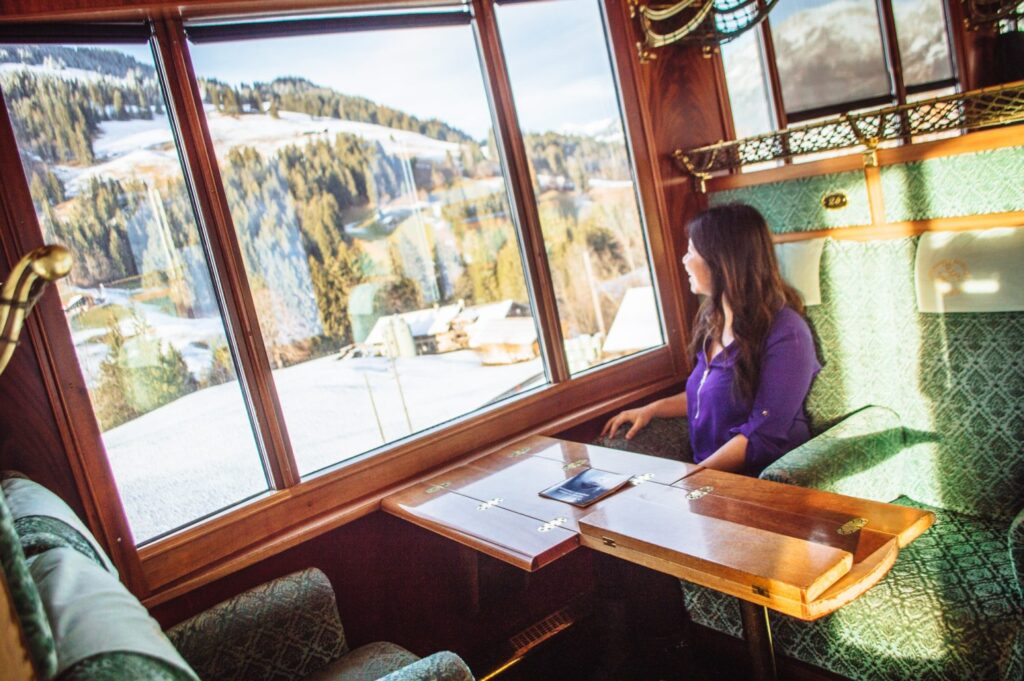

1.1 Book Early for the Best Deals
Rail operators worldwide offer early-bird discounts—sometimes up to 60% off. Whether you’re traveling through Europe using passes from Eurail or exploring rail networks recommended by Amtrak or BritRail, planning in advance can dramatically reduce your travel cost.
Early booking also ensures:
- More seat choices
- Access to premium cabins at low prices
- Flexibility for multi-city planning
And because early fares fluctuate based on demand, resources like Rail Europe can help you monitor and compare options.
1.2 Use Rail Passes Strategically
Rail passes are not always the cheapest option—but when used right, they can save hundreds.
Popular passes include:
- Eurail Global Pass – unlimited travel across 33 European countries
- Japan Rail Pass – highly recommended for multi-city trips
- Swiss Travel Pass – includes trains, trams, and even boats
According to Japan Guide, rail passes become cost-effective when covering long distances within a short timeframe.
Pro tip: Combine a rail pass with budget-friendly hostel stays or youth discounts to maximize savings.
1.3 Choose Off-Peak Travel Times
Train prices often drop significantly during:
- Weekdays
- Shoulder seasons (April–June, September–November)
- Non-festival periods
Data from National Geographic Travel shows that off-peak travel not only saves money but also offers a more relaxed, authentic experience without tourist crowds.
1.4 Bring Your Own Food and Essentials
While onboard food can be convenient, it comes at a premium. Pack your own:
- Sandwiches
- Fruits
- Refillable water bottles
- Snacks
Most stations—especially in Europe and Asia—have supermarkets offering fresh, affordable meals. This small habit can save $15–$30 per day.
1.5 Overnight Trains = Free Accommodation
Sleeper trains are one of the smartest ways to stretch your travel budget. Europe, India, Japan, and Southeast Asia offer:
- Sleeper cabins
- Reclining seats
- Shared couchettes
You save money and wake up in a new city ready to explore.
1.6 Understand Local Booking Systems
Not all rail networks are created equal. Some tips:
- Europe: book directly with national operators for lower fees
- India: use IRCTC for verified fares
- Japan: rail passes must be purchased before travel
- USA: Amtrak deals often appear two weeks in advance
Use official operator guidance like Amtrak or Eurail for the most reliable information.
2. Budget Cruise Travel Tips: Explore Seas Without Overspending
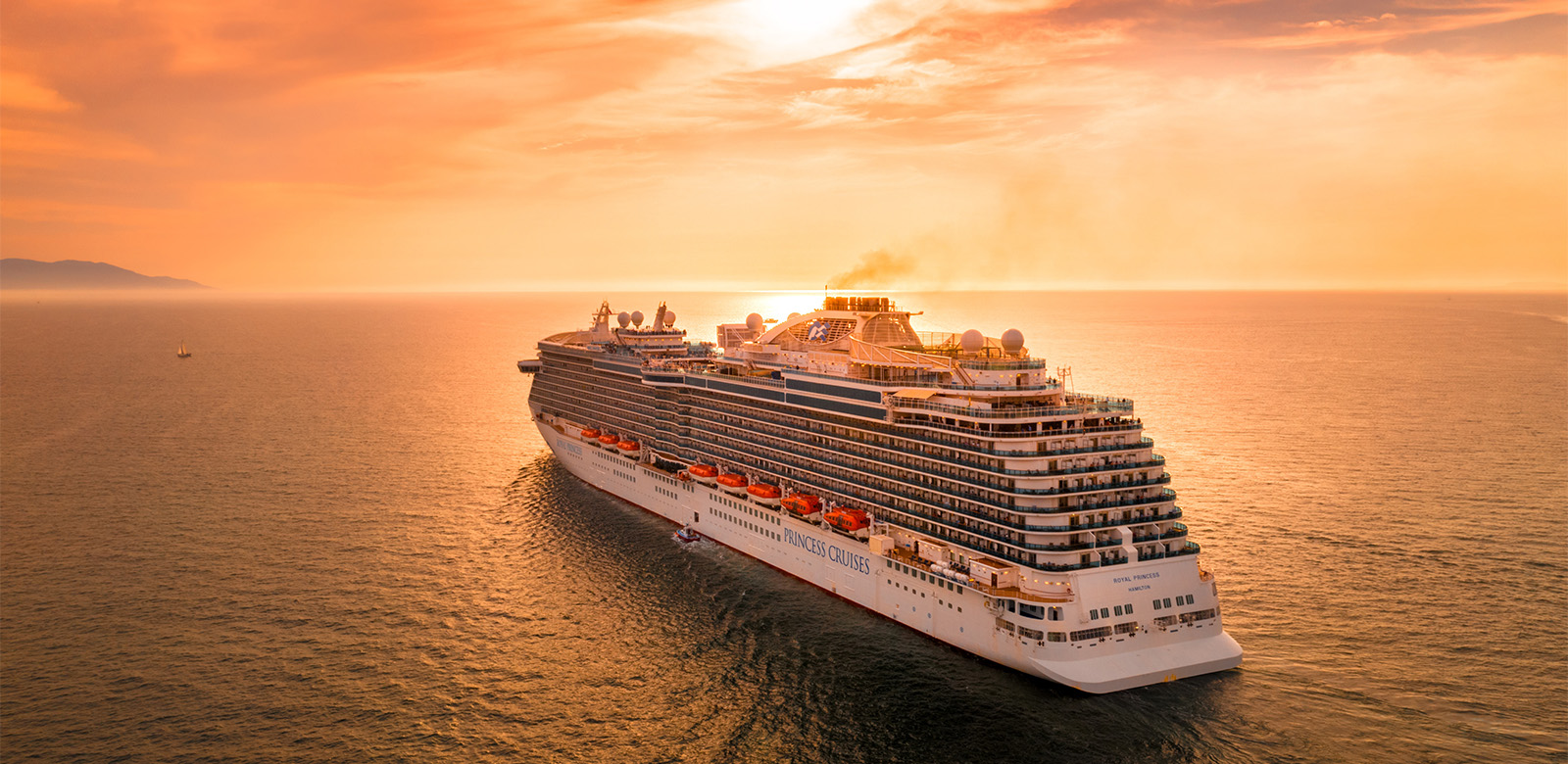
2.1 Book Your Cruise at the Right Time
Cruise prices are highly seasonal. According to experts interviewed by Travel + Leisure and Lonely Planet, the best months for discounts include:
- January – “Wave Season”
- Late spring
- Early winter
Cruise lines often offer:
- Free cabin upgrades
- Beverage or dining credits
- Onboard spending vouchers
Booking during these windows can save 30–50% on standard fares.
2.2 Choose Repositioning Cruises for Massive Savings
Repositioning cruises move ships between regions—for example, from Europe to the Caribbean. They offer:
- Long stretches at sea
- Significantly lower per-day costs
- Unique, relaxing experiences
Although itineraries may be slower, these journeys provide incredible value for budget-minded travelers.
2.3 Select Inside Cabins to Cut Costs
Inside cabins (without windows) are the most affordable room category. Many experienced travelers share that:
- You sleep better without early sunlight
- You spend more time enjoying ship amenities
- You save hundreds of dollars
If you’re rarely in the room, why pay extra?
2.4 Pack Smart to Avoid Onboard Expenses
Cruises are known for add-on costs. To avoid overspending:
- Bring sunscreen, toiletries, and medications
- Pack reusable water bottles
- Carry casual outfits to skip expensive laundry services
Safety organizations like CDC Travel also recommend packing hygiene essentials for a healthier journey.
2.5 Don’t Overpay for Shore Excursions
Cruise companies charge premium prices for excursions. Instead:
- Explore independently using local guides
- Research destinations on Lonely Planet
- Compare itineraries with traveler insights on National Geographic Travel
You’ll enjoy the same experiences at a fraction of the cost.
2.6 Understand What’s Included (and What Isn’t)
Budget travelers often overspend because they assume everything is included.
In many cruises:
Included
- Buffets
- Entertainment
- Pools & basic activities
Extra charges
- Specialty restaurants
- Premium entertainment
- Alcoholic beverages
- Wi-Fi
Knowing this upfront helps you budget wisely.
3. Budget Rail vs. Budget Cruise Travel: Which Is Better for You?
✨ Comparison Table: Rail Travel vs Cruise Travel for Budget Explorers
| Feature | Budget Rail Travel | Budget Cruise Travel |
|---|---|---|
| Cost | Very flexible, depends on route & passes | Usually cheaper per day in off-season |
| Accommodation | Not included unless using sleeper | Included in fare |
| Meals | DIY or buy at stations | Buffets included |
| Scenic Value | High—mountains, countryside, cities | High—oceans, islands, sunsets |
| Flexibility | Very high—stop anywhere | Limited to itinerary |
| Packing Needs | Light and simple | Moderately heavy |
| Best For | Multi-country or local exploration | Relaxation-focused, slow travel |
| Cons | Multiple bookings needed | Additional onboard costs |
Both modes have strengths—trains for flexibility, cruises for stress-free comfort. The ideal choice depends on your travel personality.
4. Smart Ways to Plan Your Budget Rail + Cruise Combo Trip
Experienced travelers often combine train and cruise itineraries for an affordable, unforgettable journey.
For example, using a Eurail Pass to explore Europe and then catching a budget Mediterranean cruise creates a rich travel experience without overspending.
Key planning ideas:
- Choose train routes that end at major cruise ports
- Use overnight trains before cruise embarkations
- Look for last-minute cruise deals to pair with flexible rail passes
Resources such as UNWTO and Rail Europe offer insights into sustainable multimodal travel.
5. Proven Money-Saving Secrets (from Real Travelers)
After years of travel stories, online communities, and insights from guides like National Geographic Travel, these tips consistently stand out:
• Travel During Shoulder Seasons
Better weather, fewer tourists, and lower prices.
• Pack Light
Avoid baggage fees on trains and cruise terminals.
• Take Advantage of Free Entertainment
Cruises offer shows, music, onboard classes; trains offer scenic views that rival paid tours.
• Use Local Transport During Port Stops
Skip overpriced tour buses.
• Track Deals Using fare alert tools
Cruise lines and rail operators frequently release flash sales.
FAQs: Budget-Friendly Rail & Cruise Travel
1. Is rail travel cheaper than flying?
Often yes—especially with early booking, rail passes, or off-peak travel discounts.
2. Are cruise deals reliable or risky?
Most major cruise lines offer legitimate deals during “Wave Season.” Just read the fine print regarding taxes and fees.
3. Can I explore destinations without paying for cruise excursions?
Yes. Many ports have public buses, taxis, or walkable attractions.
4. Are sleeper trains safe for solo female travelers?
Yes, especially in Europe and Japan. Choose women-only cabins or reputable operators.
5. What’s the best season for budget train travel?
Spring and fall (shoulder seasons) typically offer the best prices.
Conclusion: The World Is Affordable When You Travel Smart
Budget-friendly rail and cruise travel isn’t just possible—it’s one of the most rewarding ways to explore the world. With the right strategies, a flexible mindset, and informed planning, you can enjoy breathtaking landscapes, new cultures, and unforgettable memories without straining your budget.
Both rail and cruise travel promote the spirit of slow, meaningful travel, allowing you to relax, immerse yourself in new environments, and connect deeply with the journey instead of rushing from point A to point B.
Use the tips shared in this guide—supported by insights from respected sources like UNWTO, Eurail, Lonely Planet, and National Geographic Travel—to confidently plan your next adventure. Whether you’re dreaming of cross-country rail routes, island-hopping cruises, or a combination of both, your perfect journey is absolutely within reach.
Travel doesn’t need to be expensive. It just needs to be intentional.
And with that mindset, the world becomes yours to explore—one scenic track and one ocean horizon at a time.