

India’s wilderness is as diverse as its cultures. From the tiger-rich forests of Central India to the floodplains of the Brahmaputra and the dry deciduous landscapes of Rajasthan, the country offers some of the most rewarding wildlife safari experiences in the world. With more than 100 national parks and over 550 wildlife sanctuaries managed under the guidance of the Ministry of Environment, Forest and Climate Change, India stands at the forefront of biodiversity conservation.
Wildlife tourism in India is deeply connected with conservation initiatives like Project Tiger and the protected area network governed by the Wildlife Protection Act of 1972. This strong regulatory framework ensures that safari tourism contributes to conservation while offering visitors responsible and enriching experiences.
What follows is an in-depth guide to the best wildlife safari experiences in India—where to go, what to expect, when to visit, and how to make the most of your journey.
Why India Is One of the World’s Top Safari Destinations
India is home to nearly 8% of the world’s recorded species, according to the Convention on Biological Diversity. It hosts iconic megafauna such as Bengal tigers, Asian elephants, one-horned rhinoceroses, Asiatic lions, leopards, sloth bears, and hundreds of bird species.
Unlike African savannas, Indian forests are varied—ranging from mangrove ecosystems to alpine meadows. This diversity creates different safari styles:
- Dense sal forests with filtered light and tiger tracks
- Open grasslands ideal for rhino sightings
- Thorn forests where leopards blend into rocky hills
- Wetlands that attract migratory birds
India’s safari system also operates through regulated jeep safaris, canter safaris, boat safaris, and guided walking tours in designated buffer zones—ensuring ecological balance.
1. Ranthambore National Park – The Royal Tiger Landscape

Located in Rajasthan, Ranthambore combines history and wilderness in dramatic fashion. The 10th-century Ranthambore Fort overlooks lakes and dry deciduous forest, creating a cinematic safari backdrop.
Ranthambore is part of India’s Project Tiger reserves, and its relatively open terrain increases tiger sighting probabilities compared to denser forests.
Best time to visit: October to June
Peak tiger sightings: March to May
Other wildlife: Leopards, marsh crocodiles, sambar deer, and over 300 bird species
The park’s structured zone system and online booking process through Rajasthan’s forest department help regulate visitor flow and maintain ecological integrity.
2. Jim Corbett National Park – India’s Oldest National Park

Established in 1936, Jim Corbett National Park was India’s first national park and a key inspiration for Project Tiger. Its riverine landscapes, grasslands, and sal forests make it one of the most scenic safari destinations.
The Ramganga River sustains rich biodiversity, and Corbett is also recognized as an Important Bird Area by organizations such as BirdLife International.
Best time to visit: November to June
Speciality: Elephant herds and birdwatching
Safari options: Jeep safari and limited canter safari in Dhikala zone
Corbett’s strict visitor caps and zoning system balance tourism and habitat protection.
3. Kaziranga National Park – The Land of the One-Horned Rhino

A UNESCO World Heritage Site recognized by UNESCO, Kaziranga protects the largest population of the great Indian one-horned rhinoceros.
Its tall elephant grass and marshlands create an African-style safari ambiance. Early morning elephant safaris provide closer wildlife encounters under strict supervision.
Best time to visit: November to April
Unique species: One-horned rhino, wild water buffalo, swamp deer
Additional highlights: Bengal tiger population density among the highest in India
Kaziranga exemplifies successful conservation backed by science and enforcement.
4. Bandhavgarh National Park – High Tiger Density
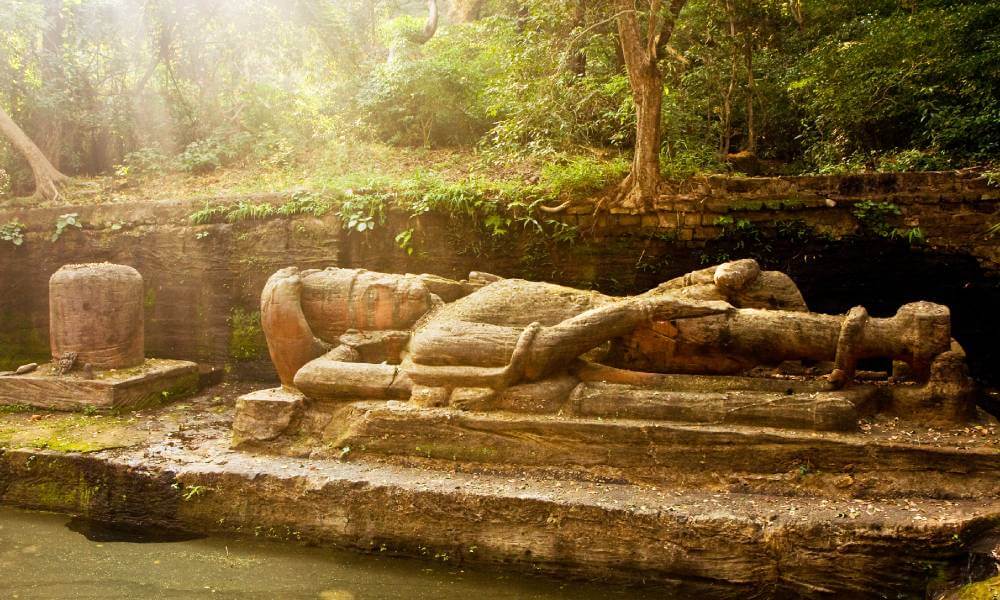
Bandhavgarh is often cited by wildlife researchers for its high tiger density. The park’s core zones—Tala, Magadhi, and Khitauli—offer excellent photographic opportunities.
According to tiger census data released by India’s National Tiger Conservation Authority, Madhya Pradesh consistently ranks among the top states in tiger population.
Best time to visit: October to June
Ideal for: Wildlife photography
Landscape: Bamboo forests, rocky cliffs, and open meadows
Bandhavgarh’s structured safari permits ensure visitor discipline and wildlife safety.
5. Gir National Park – The Asiatic Lion Territory

Gir is the only place in the world where Asiatic lions roam freely in the wild. Conservation programs supported by the Gujarat Forest Department have helped increase lion numbers significantly over the decades.
The ecosystem differs from central Indian forests, featuring dry teak woodland and open scrub.
Best time to visit: December to March
Signature species: Asiatic lion
Other wildlife: Leopards, striped hyenas, nilgai
Gir demonstrates how focused conservation can revive endangered species.
6. Sundarbans National Park – Mangrove Tiger Habitat

Part of the world’s largest mangrove ecosystem, also recognized by UNESCO, the Sundarbans offers a boat-based safari experience.
The Bengal tiger here is adapted to a saline, tidal environment, making sightings rare but deeply significant.
Best time to visit: November to February
Safari style: Boat safari only
Unique feature: Mangrove delta ecosystem
The fragile ecology demands responsible tourism and certified guides.
Comparison Table: Top Wildlife Safari Parks in India
| National Park | Best For | Best Season | Unique Feature | Safari Type |
|---|---|---|---|---|
| Ranthambore | Tiger sightings | Oct–June | Fort backdrop | Jeep |
| Jim Corbett | Scenic forests | Nov–June | River ecosystem | Jeep/Canter |
| Kaziranga | One-horned rhino | Nov–April | UNESCO site | Jeep/Elephant |
| Bandhavgarh | High tiger density | Oct–June | Compact safari zones | Jeep |
| Gir | Asiatic lions | Dec–March | Only lion habitat | Jeep |
| Sundarbans | Mangrove wildlife | Nov–Feb | Boat safari | Boat |
When Is the Best Time for a Wildlife Safari in India?
Most Indian national parks close during the monsoon (July–September). Summer months often increase wildlife visibility due to shrinking water sources.
General seasonal advice:
- Winter (Nov–Feb): Pleasant weather, good birdlife
- Summer (Mar–June): Higher chance of tiger sightings
- Monsoon: Most parks closed; limited buffer zone safaris
Seasonal variations should be verified via official forest department portals for updated opening schedules.
Types of Safari Experiences in India
India offers diverse safari formats:
- Jeep Safari – Most common, guided and zone-based
- Canter Safari – Larger open vehicle for group safaris
- Elephant Safari – Limited and regulated, mainly in Kaziranga
- Boat Safari – Available in Sundarbans
- Walking Safari – Permitted in select buffer areas under supervision
All safaris are led by licensed naturalists, ensuring safety and wildlife interpretation.
Responsible Wildlife Tourism Practices
Responsible safari behavior protects ecosystems and enhances visitor experience:
- Maintain silence during sightings
- Avoid littering
- Follow park timing strictly
- Do not feed animals
- Book through official government channels
India’s conservation efforts are supported by both governmental and international bodies, including frameworks aligned with global biodiversity goals under the Convention on Biological Diversity.
Frequently Asked Questions
1. Which is the best national park in India for tiger sightings?
Bandhavgarh and Ranthambore are widely regarded as top choices due to high tiger density and relatively open terrain.
2. Is wildlife safari safe in India?
Yes. Safaris are regulated by state forest departments with trained drivers and guides.
3. How many days are ideal for a safari trip?
A minimum of 2–3 safari drives over two days increases wildlife sighting probability.
4. Can children go on safari?
Most parks allow children above 5 years, but regulations vary by state.
5. Do I need advance booking?
Yes. Safari permits are limited and often booked weeks in advance during peak season.
6. What should be carried during safari?
Neutral-colored clothing, binoculars, camera, water bottle, and government ID.
Conclusion: Choosing the Right Safari for Your Wildlife Adventure
India’s wildlife safaris offer far more than animal sightings. They represent decades of conservation work, community involvement, scientific monitoring, and responsible tourism development. Whether exploring the tiger territories of Bandhavgarh, the rhino grasslands of Kaziranga, or the lion landscapes of Gir, each safari destination presents a distinct ecological story.
Careful planning, seasonal awareness, and responsible behavior enhance the experience significantly. Booking through official channels, respecting wildlife boundaries, and choosing certified guides contribute directly to conservation success.
India’s national parks stand as living proof that biodiversity preservation and tourism can coexist when guided by science, regulation, and public awareness. For travelers seeking meaningful encounters with nature, the country’s wildlife reserves offer some of the most diverse and rewarding safari experiences in the world.
Exploring these protected landscapes is not merely a trip—it is participation in a larger conservation journey that safeguards India’s natural heritage for future generations.