

Remote work has transformed Asia into one of the most exciting regions for digital nomads. From tropical beach towns with fast fiber internet to culturally rich cities offering modern infrastructure at a fraction of Western living costs, Asia delivers a rare combination of affordability, lifestyle quality, and professional productivity.
This guide explores the most affordable digital nomad destinations in Asia in depth, examining cost of living, visa options, infrastructure, safety, internet reliability, and long-term sustainability. Every destination listed here has earned its reputation through measurable factors such as connectivity, community presence, and accessibility — not hype.
Why Asia Dominates the Digital Nomad Map
Asia consistently ranks high for remote workers due to three powerful advantages:
- Low cost of living relative to Western countries
- Strong internet infrastructure in major hubs
- Established nomad communities and coworking ecosystems
According to the World Bank, several Southeast Asian economies continue to grow steadily, making them stable environments for long-term stays. At the same time, global mobility data from the Nomad List platform consistently places Asian cities among the most affordable and livable for remote workers.
Add to this the increasing availability of long-term visas — detailed by the International Organization for Migration — and Asia becomes more than a temporary stop. It becomes a viable base.
1. Chiang Mai, Thailand
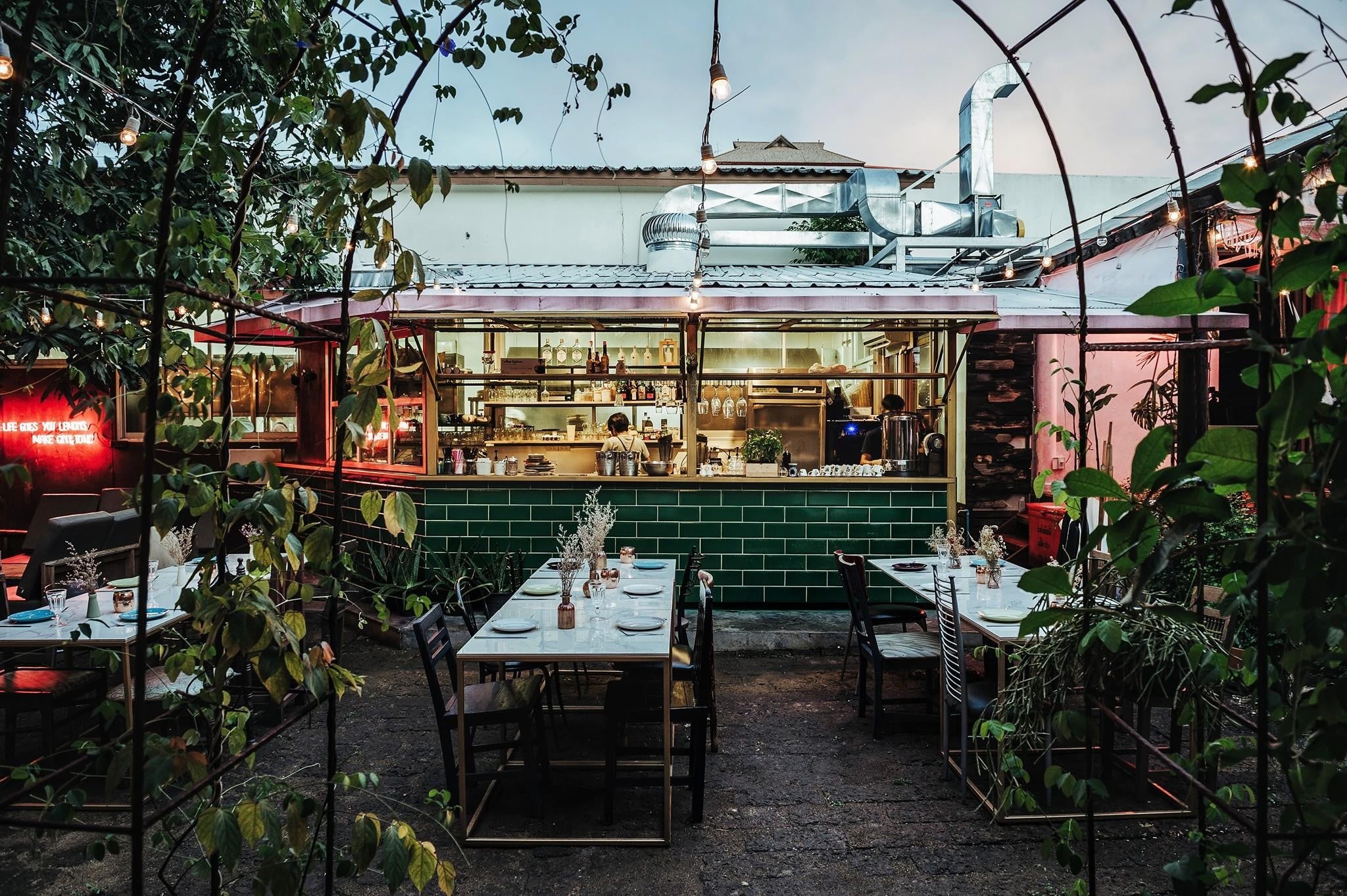
Chiang Mai remains one of the most established digital nomad hubs in Asia. Located in northern Thailand, it combines low living costs with dependable infrastructure.
Cost of Living
- Apartment (modern, central): $350–600/month
- Street food meal: $2–4
- Coworking membership: $70–120/month
Thailand’s infrastructure development is well documented by the Asian Development Bank, and Chiang Mai benefits directly from improved broadband and urban planning initiatives.
Why It Works
- Fiber internet widely available
- Huge remote worker community
- Safe and walkable Old City area
- Access to healthcare at reasonable costs
Thailand also offers long-term stay options, including education visas and remote work-friendly policies, with updates regularly published by the Thai Ministry of Foreign Affairs.
2. Da Nang, Vietnam

Da Nang has quietly become one of Southeast Asia’s most balanced digital nomad cities.
Cost of Living
- Modern studio: $300–500/month
- Coffee: $1–2
- Monthly expenses (comfortable): $800–1,200
Vietnam’s rapid internet expansion has been documented by the International Telecommunication Union, and Da Nang benefits from stable high-speed connectivity compared to many similarly priced destinations.
Why It Works
- Beach lifestyle without resort pricing
- Growing coworking ecosystem
- Strong café work culture
- Clean and relatively organized urban planning
Vietnam visa policies change periodically, so travelers should consult official government resources before planning extended stays.
3. Bali (Canggu & Ubud), Indonesia

Bali is widely known, but affordability remains strong outside luxury villas.
Cost of Living
- Private room: $400–700/month
- Scooter rental: $60–80/month
- Coworking: $100–180/month
Indonesia has expanded its remote work visa framework, with tourism and digital economy initiatives highlighted by the World Tourism Organization.
Why It Works
- Large global remote worker network
- Wellness-focused lifestyle
- Strong entrepreneurial environment
- Abundant networking events
While popular, Bali requires choosing neighborhoods wisely. Canggu is lively and social, while Ubud offers quieter, wellness-oriented surroundings.
4. Kuala Lumpur, Malaysia

Kuala Lumpur provides a metropolitan experience at a moderate price.
Cost of Living
- Central apartment: $500–800/month
- Public transport pass: affordable and efficient
- Monthly expenses: $1,200–1,800
Malaysia ranks highly for infrastructure and internet speed, supported by digital development data from the World Economic Forum.
Why It Works
- Excellent public transportation
- English widely spoken
- Modern healthcare
- High-speed fiber internet
Malaysia’s digital nomad visa (DE Rantau program) has made long-term stays increasingly structured and attractive.
5. Tbilisi, Georgia

Although geographically at the crossroads of Europe and Asia, Tbilisi deserves inclusion for affordability and policy friendliness.
Cost of Living
- Apartment: $400–700/month
- Utilities: affordable
- Monthly total: $900–1,400
Georgia’s liberal visa policy allows many nationalities to stay up to one year visa-free, information publicly available from government portals and international migration resources.
Why It Works
- Extremely generous stay policies
- Low taxes for entrepreneurs
- Growing startup ecosystem
- Strong café culture
The business-friendly tax system often appeals to freelancers and online entrepreneurs seeking simplified residency structures.
6. Phnom Penh, Cambodia

Phnom Penh remains one of the most budget-friendly capitals in Southeast Asia.
Cost of Living
- Apartment: $300–600/month
- Food: $2–5 per meal
- Monthly total: $800–1,200
Cambodia’s visa extensions are relatively straightforward compared to neighboring countries.
Why It Works
- Affordable long-term stays
- Relaxed visa extensions
- Low housing costs
- Growing remote worker presence
Infrastructure is improving but varies by neighborhood, so careful housing selection is essential.
Cost Comparison Table: Monthly Budget Snapshot
Estimated Monthly Living Costs (USD)
| Destination | Rent (1BR) | Food | Coworking | Transport | Total Estimate |
|---|---|---|---|---|---|
| Chiang Mai | 400–600 | 250 | 100 | 50 | 900–1,200 |
| Da Nang | 350–500 | 250 | 90 | 60 | 850–1,100 |
| Bali | 500–700 | 300 | 150 | 80 | 1,200–1,600 |
| Kuala Lumpur | 600–800 | 350 | 120 | 80 | 1,300–1,800 |
| Tbilisi | 500–700 | 300 | 100 | 50 | 1,000–1,400 |
| Phnom Penh | 350–600 | 250 | 80 | 50 | 800–1,200 |
Actual costs vary depending on lifestyle choices, housing standards, and exchange rate fluctuations.
Key Factors to Evaluate Before Choosing a Destination
1. Internet Reliability
Check national broadband reports and coworking reviews. Reliable fiber connectivity is critical.
2. Visa Flexibility
Policies change frequently. Always verify through official immigration portals.
3. Healthcare Access
Countries like Thailand and Malaysia offer internationally accredited hospitals.
4. Community Presence
An established nomad community reduces isolation and improves networking.
5. Cost Stability
Inflation trends and currency stability matter for long-term planning.
Frequently Asked Questions
Which Asian country is cheapest for digital nomads?
Cambodia and Vietnam often rank among the most affordable for rent and daily expenses while still offering reliable internet in major cities.
Is internet speed reliable across Southeast Asia?
In major urban centers such as Chiang Mai, Kuala Lumpur, and Da Nang, fiber broadband is common. Rural areas may experience inconsistencies.
Are digital nomad visas widely available in Asia?
Yes, several countries now offer remote work-friendly visas. Malaysia and Indonesia have formalized programs, while others allow extended stays through tourist or business visas.
How much should a digital nomad budget monthly in Asia?
A comfortable lifestyle typically ranges from $800 to $1,800 depending on the city and personal preferences.
Is Asia safe for remote workers?
Most established nomad hubs have low violent crime rates, though common travel precautions remain essential everywhere.
Strategic Tips for Long-Term Success
- Choose cities with stable visa pathways
- Avoid peak tourist pricing seasons
- Negotiate long-term housing discounts
- Diversify workspaces (home + coworking)
- Monitor tax obligations in your home country
Remote work sustainability depends not just on cost, but on legal compliance, healthcare access, and infrastructure reliability.
Final Thoughts: Building a Sustainable Digital Nomad Life in Asia
Asia continues to offer one of the most compelling environments for affordable remote living. Whether prioritizing beach access, startup ecosystems, metropolitan comfort, or visa flexibility, the region provides a broad spectrum of viable options.
The most successful digital nomad strategies focus on balance. Low living costs alone are not enough. Reliable internet, clear immigration pathways, healthcare standards, and community integration are equally important.
Chiang Mai remains a benchmark for affordability and infrastructure balance. Da Nang offers beachside value without resort-level pricing. Bali delivers global networking energy. Kuala Lumpur provides metropolitan reliability. Tbilisi offers unmatched visa freedom. Phnom Penh keeps budgets flexible.
Each destination represents a different version of freedom — shaped by policy, infrastructure, culture, and cost.
Asia is not simply affordable. It is adaptable.
For remote professionals seeking a sustainable, cost-effective base with global connectivity, few regions rival what Asia currently provides.